Personalized attention +34 96 206 62 98
 Free shipping to Iberian Peninsula from 30€
 9/10 Rating
 Discreet shipping

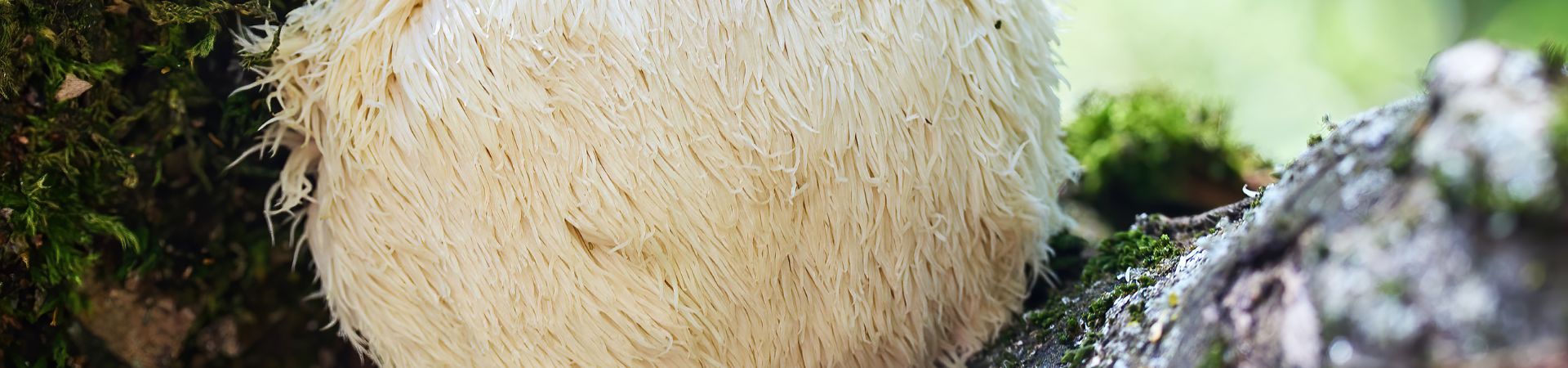
Lion’s mane is a medicinal mushroom that has gained great popularity in the world of natural health thanks to its properties and benefits for physical and mental well-being. However, when it comes to the use of lion’s mane extract in children, it is important to consider certain aspects to determine its safety. Here we explain everything regarding its use.
What is this mushroom?
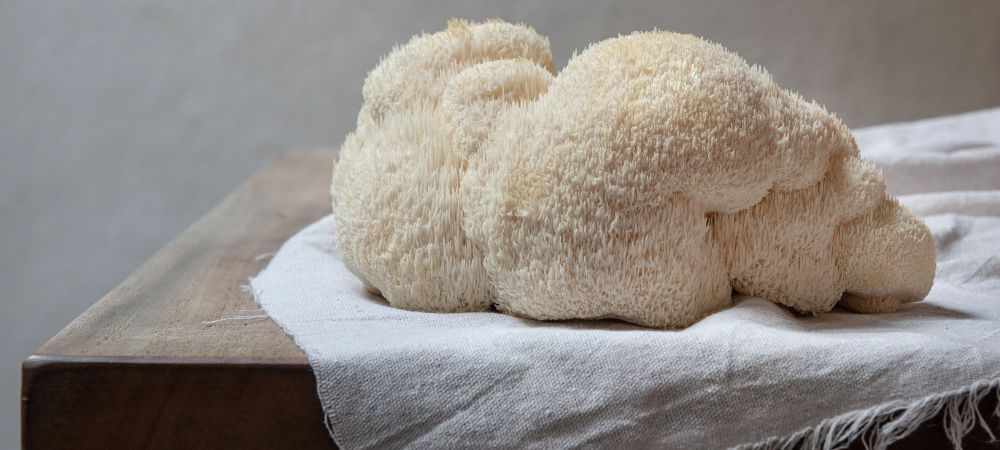
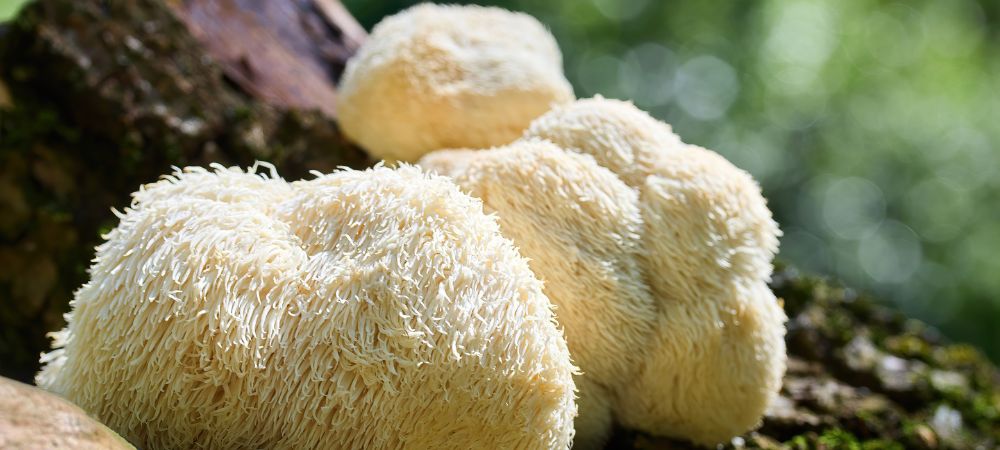
Lion’s mane (Hericium erinaceus) is a type of edible mushroom that is distinguished by its unique appearance: a kind of white “waterfall of hair.” Its appearance resembles a lion’s mane, hence its name.
This mushroom is known for its anti-inflammatory, antioxidant, neuroprotective, and immune-boosting properties.
It is also a valuable resource for fighting stress, improving cognitive function, and protecting the nervous system. For this reason, it is used as a plant extract to combat various health conditions.
Lion’s mane for children: is it recommended?
Due to its benefits in adults, more and more parents are wondering if it can be beneficial for children. Its properties can contribute to the general well-being of the little ones.
However, there are not enough solid scientific studies on its safety in children. Most of the available evidence is in adults or in preliminary studies. Supplements (capsules, extracts) are not as regulated as medications.
If this mushroom is consumed as food, it is usually safe. But it must be cooked and in normal amounts. The risk in children increases when it comes to concentrated extracts with a much higher dose than the mushroom itself as food.
A healthy child does not need to be supplemented with this mushroom, but if you are considering the option to improve the child’s concentration, the most sensible thing is to consult a pediatrician.
How to use this mushroom extract to your advantage?
The Hericium erinaceus mushroom can be consumed in different ways, as it is used as a dietary supplement. However, its use must always be moderate and supervised, especially if used for a child. The most common forms of consumption include:
- Powder supplements: it can be found as a powder to mix with smoothies, juices, or any food, which makes it easy to integrate into the diet.
- Capsules or tablets: this is a simple option, as the dosage is more precise and they are easy for children to take.
- Teas or infusions: another popular method is to prepare an infusion with the mushroom. In this way, the benefits are absorbed naturally and without complications.
- Liquid extracts: which can be added to the daily diet in a controlled manner.
It is essential to point out that the amount to be administered will always depend on age and weight. Therefore, it is always recommended to consult with a healthcare professional before starting any treatment that includes this mushroom.
Precautions and tips
Before considering the use of this mushroom in the diet of the little ones, it is important to take into account a series of precautions:
- Prior medical consultation: although it is a natural mushroom, not all bodies respond the same way to supplements. Therefore, if you are thinking of supplementing your child with this mushroom or with CBD, consult a pediatrician or other specialized medical professional first.
- Mushroom allergies: children who have allergies to edible mushrooms should avoid this type of supplementation, as it can trigger severe allergic reactions.
- Proper dosage: the amount is key to avoiding possible side effects. It should be administered in safe doses adjusted to the child’s age and size.
- Side effects: although it is generally considered safe, an excessive dose could cause gastrointestinal problems, such as diarrhea or stomach upset.
- Do not replace medical treatments: this mushroom should not be seen as a solution to treat serious illnesses without the supervision of a healthcare professional. It should always be used as a natural supplement and not as a replacement for medical treatment.
Remember that natural supplements are tools that must be used responsibly and always supported by professional information and advice.
[ppgbo product=”8704″ language=”en”]
How can it help children?
The mushroom we are talking about is famous for its neuroprotective properties, which makes it an interesting supplement for the cognitive and emotional development of children. Some of the benefits attributed to it include:
- Cognitive stimulation: it is known for its ability to stimulate brain-derived neurotrophic factor (BDNF), a protein essential for the growth, maintenance, and repair of neurons. This can help improve learning, memory, and concentration in children.
- Emotional support and stress reduction: by acting as an adaptogen, it can help children combat emotional stress, improving their general well-being.
- Strengthening the immune system: thanks to its antioxidant and anti-inflammatory properties, it can strengthen the immune system of the little ones and protect them against common illnesses.
- Gastrointestinal support: it is also beneficial for the digestive system, helping to protect the intestinal mucosa and improve the absorption of essential nutrients, which is key in children’s growth.
Studies on its use for children
Although it is a well-researched mushroom, most studies have been conducted on adults. However, current information supports its safety and potential benefits in children as long as it is used in a controlled manner and under proper supervision. Among the studies to consider are:
- Research such as “The effect of Hericium erinaceus (lion’s mane) on cognitive function in humans“ has shown that it can increase the concentration of BDNF in the brain. This is key for learning and memory in children in the developmental phase.
- There are studies that link its consumption to improved neuron protection. Thus, it reduces the risk of developing stress- and anxiety-related disorders.
- In the research “Extracts from Hericium erinaceus relieve inflammatory bowel disease by regulating immunity and gut microbiota,” they analyze how antioxidant components can strengthen the immune system. This translates into a possible reduction of infections and an improvement in the resistance of the immunocompromised, although these studies do not focus exclusively on this population.
- On the other hand, the study Hericium erinaceus Extract Reduces Anxiety and Depressive Behaviors by Promoting Hippocampal Neurogenesis in the Adult Mouse Brain demonstrates that this mushroom promotes hippocampal neurogenesis. In this way, it helps manage emotional stress and modulate the central nervous system.
Despite these promising results, more long-term and specific studies on children are still needed to fully confirm these benefits.
Hence, it is essential to be cautious when including this dietary supplement in the diet, especially among the little ones, and to consult a doctor.