 Personalized Attention +44 151 947 0713
 SHIPPING TO ALL

 9/10 Rating
 SALE TO MINORS PROHIBITED

 Iniciar sesión
 0
0

Plant extracts
Plant extracts bring together the best of the botanical world in concentrated, stable, and easy-to-store formats. This category includes natural, botanical, and herbal extracts selected for users seeking quality, origin, and plant tradition—a range designed for study, collection, and those who value plants with history and character.
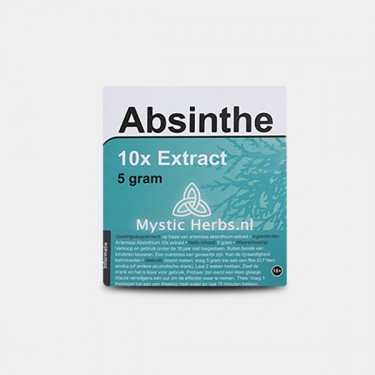
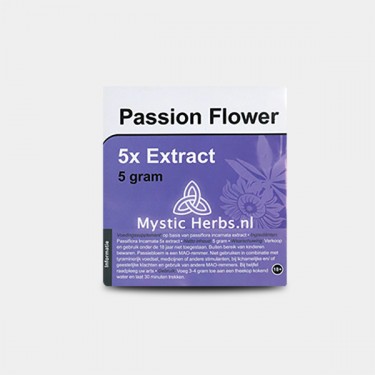

Plant Extracts: Origin, tradition, and historical uses
For centuries, cultures around the world have relied on concentrated plants to better harness their natural properties. Plant extracts were born out of the need to intensify and preserve a plant's compounds, making them easier to use, store, and transport. In ancient times, these preparations were made through maceration, infusions, or reductions and were used for ritual, symbolic, or traditional herbal purposes.
Over time, many plants gave rise to extracts with a strong cultural significance. Well-known examples include sage in Mesoamerica, damiana in Central America, passionflower as a plant associated with rest, and wormwood in European tradition. Today, this knowledge combines with modern processes that produce more homogeneous, stable, and easily identifiable natural extracts, while maintaining their botanical origins.
At GB The Green Brand, you can purchase carefully selected plant extracts, with clear information, identified origins, and a range designed for informed users seeking quality and trust in a reputable growshop.
What plant extracts are and why they are sought after
A plant extract is the result of concentrating a plant’s natural compounds through various methods, creating a more potent and stable form than the raw plant. This process allows the plant's botanical characteristics to be concentrated in smaller amounts, making storage and handling easier.
Compared to dried plants, botanical extracts offer clear advantages such as greater homogeneity, improved traceability, long-term stability, and a more precise reference for potency. That is why they are increasingly sought after in the herbal extract sector, especially in formats labeled 5x, 10x, 20x, or 50x, which provide an indicative level of concentration relative to the original plant.
Natural extracts with ethnobotanical tradition
Many current plant extracts have a strong ethnobotanical background. Plants such as sage, associated with the Sierra Mazateca, or damiana, found in American herbalism, have been used for generations in very specific cultural contexts. The value of these extracts lies not only in their concentration but also in the history and symbolism surrounding them.
This ethnobotanical approach is one of the main attractions of natural extracts, as it connects the user to ancestral traditions, specific regions, and ways of understanding the relationship between humans and plants. This category includes extracts with very different profiles, all united by their origin and cultural relevance.
How to choose your plant extract
Choosing among different plant extracts can be easier if you consider some basic criteria. Here are the main ways to guide your selection before buying.
Perceived intensity level
In general, plant extracts can be grouped into mild, medium, or strong profiles. This classification helps differentiate plants with a lighter character from those with a more pronounced botanical presence, allowing you to have a collection ranging from the mildest to the most potent.
Plant profile according to original function
If you want to collect extracts that were used in specific rituals or for particular purposes, you can explore traditions and see what each extract was used for:
- Extracts associated with rest and relaxation
- Extracts linked to mood and stimulation
- Aromatic extracts with cultural history
- Unique and traditional ethnobotanical extracts
Botanical origin and cultural tradition
If you want to expand your collection with the most representative extracts according to their origin or traditional use, GB The Green Brand specifies the origin of each extract, turning them into prized pieces for your collection:
- Plants from the Americas
- Plants from Africa
- Plants from Europe
Why buy plant extracts at GB The Green Brand
Choosing where to buy plant extracts is as important as choosing the right extract. At GB The Green Brand, we focus on a careful and transparent selection, designed for users who seek clear information and well-defined products. By buying your plant extracts at GB The Green Brand, you ensure:
- Selection of high-quality natural extracts
- Detailed and understandable information
- Clearly indicated origin and concentration
- Specialized customer service
- Fast and discreet shipping
The best plant extracts you can buy at GB The Green Brand
Within the GB The Green Brand catalog, you will find some of the most sought-after plant extracts on the market. Highlights include sage extract, damiana extract, and kratom extract, selected for their relevance, tradition, and popularity.
Salvia Mystic 20x Natural Extract
Salvia Mystic 20x extract is a plant extract made from Salvia divinorum, traditionally used by indigenous communities of the Sierra Mazateca in spiritual and cultural rituals and ceremonies. Historically, its use was connected to ancestral practices of introspection, symbolism, and environmental connection, forming part of the ethnobotanical legacy of this unique species.
Kratom x20 Extract
The Kratom 20x extract is a plant extract made from Mitragyna speciosa, a tree native to Southeast Asia whose leaves have been traditionally used by local communities as part of cultural and herbal practices. Historically, kratom was used in daily and ritual contexts to support physical work, promote body balance, and relieve fatigue, forming part of the ethnobotanical heritage of this widely rooted species in regional tradition.
Damiana 10x Natural Extract
The Damiana 10x extract is a plant extract made from Turnera diffusa, traditionally used in various cultures of Mexico and tropical America as part of ancestral herbalism. Historically, its leaves were used in herbal preparations associated with vitality, body balance, and natural stimulation, forming part of traditional practices linked to physical and emotional well-being and the ethnobotanical heritage of this aromatic species.