Personalized Attention +44 151 947 0713
 SHIPPING TO ALL

 9/10 Rating
 SALE TO MINORS PROHIBITED


Installing a hydroponic drip irrigation system requires meticulous planning and the use of proper components to create an environment that fosters optimal plant growth. To understand how to set up hydroponic irrigation and its benefits, here’s everything you need to know.
What is a Hydroponic drip irrigation system?
Hydroponic irrigation is an efficient cultivation technique allowing plants to grow using a nutrient-enriched water solution instead of soil. In addition, this method is gaining popularity due to its reduced water usage and its ability to produce high-quality hydroponic crops in areas with poor soil or in controlled environments, such as urban greenhouses.
The process begins with selecting the most suitable hydroponic system for the grower’s needs, such as ebb and flow or deep water culture systems. Furthermore, each system has its distinctive characteristics and is better suited for certain plants and growing conditions. Indeed, setting up the hydroponic growing system involves installing containers or channels that will hold the plants and convey the nutrient solution to the roots. It’s crucial to ensure that the entire setup is level and leak-free to avoid wasting water and nutrients.
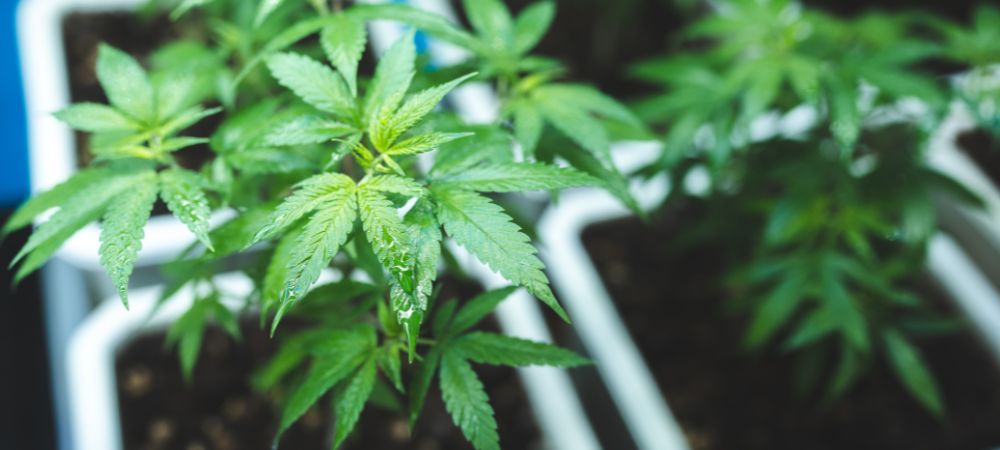
Additionally, a successful installation also entails the correct balance of the nutrient solution, vital for plant health. Moreover, the pH and nutrient levels must be carefully adjusted to meet the specific needs of the cultivated species. Proper sensors and pumps ensure that the solution circulates efficiently and reaches all the plants in the necessary amounts and frequency.
Basic components of a hydroponic system
Hydroponic systems require specific components for effective operation. Each plays a vital role in the soilless plant growth process. These include:
Reservoir or Tank
The irrigation reservoir is the water tank where the nutrient solution is stored. This solution contains essential elements like nitrogen, phosphorus, and potassium, as well as micronutrients such as iron and calcium that plants need for optimal development.
Pump and tubing system
The pump and tubing pipes system is the heart of hydroponic irrigation, responsible for transporting the nutrient solution from the tank to the plant roots. Besides, pumps move the solution through tubing to delivery systems like drippers.
Growing medium
Although soil is not used, the growing medium provides support for the plants. Inert materials such as perlite, vermiculite, or rockwool are common for this purpose; they favor moisture retention and facilitate access to the nutrient solution.
Lighting system
Indoor lighting for plants is crucial where natural sunlight is insufficient. The artificial light chosen, with the appropriate intensity and spectrum, ensures that plants perform the necessary photosynthesis for their growth and food production.
Steps to install a hydroponic drip irrigation system
To install it easily, follow these steps:
Select and prepare the space
Before setting up the hydroponic system, choose an appropriate space with sufficient light, ventilation, and room for plant growth. Clean and disinfect the area to be used for cultivation to prevent contamination. It’s crucial to ensure the space is level to avoid water pooling.
Place the grow table
The grow table is the support system or structure that holds the containers or channels for the plants. When assembling the selected grow table, check that it is sturdy enough to support the weight of the system when filled with water and plants. Materials resistant to moisture are recommended to prevent degradation.
Install the irrigation and drainage system
The irrigation system ensures that nutrient solutions reach the plant roots. Adequate drainage is essential to avoid excess water. Install pumps and piping that connect the plant containers to the nutrient solution, ensuring a constant flow. The drainage system should be placed at the lowest part of the growing area to facilitate water exit.
Set up the lighting system
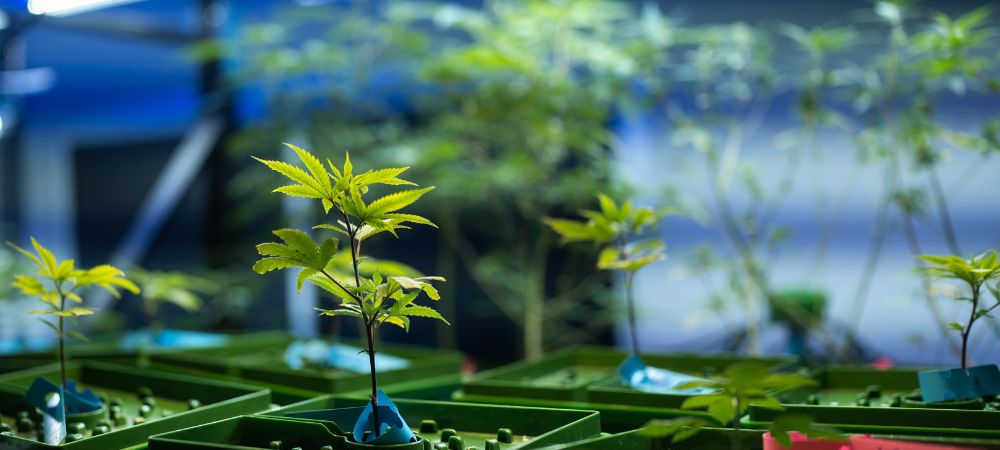
Light is essential for photosynthesis. Install full-spectrum lamps or LED lighting above the plants at an appropriate height, considering the type of crop and the growth stage. Configure timers to automate light cycles, mimicking natural conditions and ensuring quality.
Fill and prepare the nutrient solution
The nutrient solution is vital for plant development. Fill the system with water and adjust the pH to an optimal level (usually between 5.5 and 6.5). Then, add hydroponic nutrients according to the manufacturer’s instructions, ensuring the right proportion for the type of plants and their growth stage.
Maintenance and monitoring
An efficient hydroponic system depends on proper maintenance and control to ensure optimal plant health and productivity.
System cleaning
Keeping the hydroponic system clean is decisive to prevent salt build-up and pathogen proliferation. Moreover, regular cleaning and disinfecting of all components, such as pipes, pumps, and containers, using appropriate cleaning agents is recommended.
pH and EC control
Daily monitoring of pH and electrical conductivity (EC) is essential. Moreover, EC indicates the total amount of dissolved salts in the solution, which should be adjusted according to plant needs. Plus, proper drainage helps prevent salinity imbalances. These values should be between:
- pH: 5.5 – 6.5
- EC (Electrical conductivity): Adjust according to plant needs.
Nutrient solution replacement
The nutrient solution should be replaced regularly to ensure plants receive all essential nutrients. The replacement frequency can vary, but a common practice is every 2 to 3 weeks, depending on nutrient concentration and system size.
Disease and pest prevention
Be vigilant for signs of pests or diseases, as these can spread quickly in hydroponic systems. Additionally, utilizing biological controls and hygiene practices to manage these issues before they require more serious intervention is beneficial.
Advantages of the hydroponic drip irrigation system
Hydroponic irrigation systems offer numerous advantages that optimize plant cultivation. Some of the most significant benefits include:
- Water efficiency and savings: In hydroponics, water is recirculated, which significantly reduces consumption compared to traditional methods.
- Nutrient control: Nutrients can be administered with precision, enhancing plant growth and health.
- Accelerated growth: Plants in hydroponic systems often experience faster growth rates due to the constant availability of nutrients and water.
- Moisture control: A constant level of moisture is maintained, regardless of weather conditions.
- Disease prevention: By not using soil, the risk of soil-borne diseases is reduced.
- Reduced pesticide and herbicide use: Controlling the environment minimizes the presence of pests and weeds.
These advantages make hydroponic irrigation a sustainable and efficient option for commercial producers and home gardening enthusiasts alike. In addition, it enables cultivation in areas where soil is scarce or unsuitable for agriculture.