Personalized Attention +44 151 947 0713
 SHIPPING TO ALL

 9/10 Rating
 SALE TO MINORS PROHIBITED
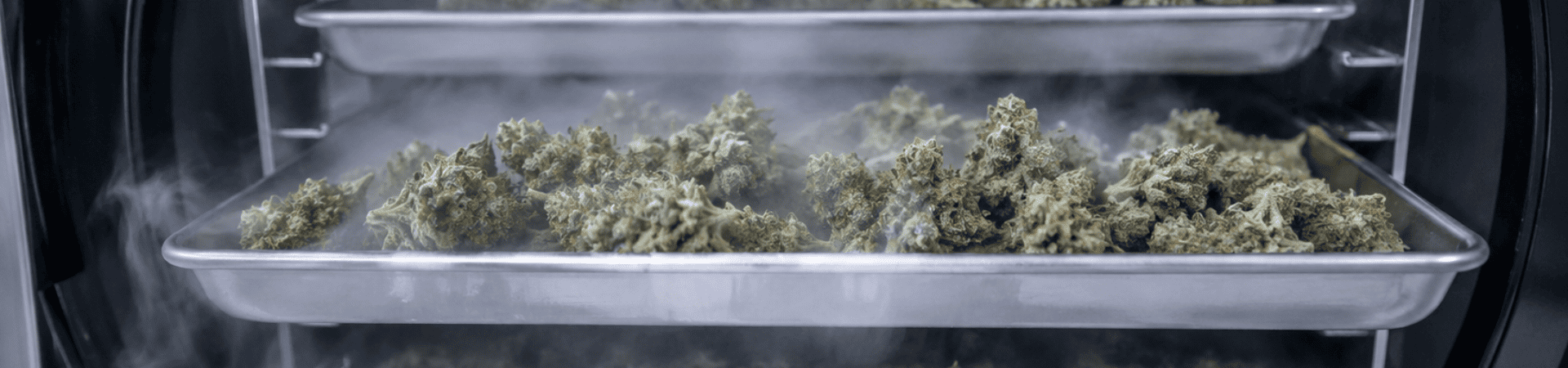
Knowing what freeze-drying is is becoming increasingly interesting in the cannabis sector, especially when we talk about more precise, faster, and more controlled post-harvest techniques. Freeze-drying is a process that allows for the removal of moisture from a previously frozen material using a vacuum, preventing the water from passing through the liquid state. And it is done using a freeze-drying machine.
In the case of cannabis, freeze-dried plants are an alternative to traditional drying. Because freeze-drying is so straightforward, it reduces processing times and better preserves heat-sensitive compounds.
In other words, the frozen water turns directly into vapor, helping to dry the material without applying intense heat. Therefore, understanding what freeze-drying is and how it is applied to cannabis allows for a better comparison of this technology with classic drying and curing methods.
What is freeze-drying?
Freeze-drying, also known as freeze-drying, is a dehydration technique used in sectors such as food, pharmaceuticals, and research. Its goal is to remove water from a product while maintaining its original structure, stability, and characteristics as much as possible.
We can summarize the process of what freeze-drying is in three parts:
- Freezing: the material is cooled until the water it contains turns into a solid state.
- Primary drying: a vacuum is applied so that the ice sublimates, meaning it goes directly from solid to vapor.
- Secondary drying: part of the residual moisture that remains bound to the material is removed.
What is freeze-drying cannabis and what does it mean in post-harvest?
Freeze-drying cannabis means applying this freezing and vacuum-drying process to flowers, biomass, or plant material related to the plant. Instead of letting the moisture evaporate slowly in a drying room, the water is removed through sublimation inside a freeze-dryer.
In cannabis, freeze-drying is studied and used primarily as a post-harvest technique to better preserve certain compound profiles, reduce processing times, and improve material stability. In cannabis, drying is an important phase of the post-harvest, as it helps reduce the moisture of the plant material and conditions its subsequent preservation.
How does cannabis freeze-drying work step by step?
Before starting the cycle, it is important to know what the step prior to freeze-drying is, as the preparation and freezing of the material directly influence the final result.
- Freezing the plant material. You have to freeze the cannabis so that the water present in its tissues solidifies. This phase is important because the structure that forms during freezing can influence how moisture is removed later.
- Vacuum application. Once frozen, the material is placed in a chamber where the pressure is reduced. By lowering the pressure, the ice can turn directly into vapor without melting first.
- Water sublimation. During primary drying, the ice turns into vapor and is collected in the equipment’s condenser. This is the phase that truly differentiates freeze-drying from other drying methods.
- Removal of residual moisture. In secondary drying, the moisture that remains bound to the material is reduced. The goal is to achieve a more stable product with lower water activity.
- Resting, preservation, and final control. After the process, the material must be preserved correctly, as freeze-dried products can be sensitive to ambient humidity. In cannabis, storage also remains key to avoiding degradation from light, oxygen, temperature, or excess moisture.
What is freeze-drying used for in cannabis?
Once we understand what freeze-drying is, we can see that it can be used in different contexts related to post-harvest and cannabis processing:
- Rapid drying of flowers or plant biomass.
- Preservation of material intended for research or analysis.
- Processing of medicinal or industrial cannabis.
- Preparation of raw material for extractions.
- Moisture reduction in heat-sensitive materials.
- Stabilization of the product to improve its storage.
Advantages of freeze-drying cannabis
Greater process control
Compared to traditional drying, understanding what freeze-drying is allows for working with more controlled parameters. This can be interesting in professional environments where repeatability, traceability, and less dependence on environmental conditions are sought.
Having greater process control does not mean that just freezing and drying is enough. A poor process can affect the texture, aroma, final moisture, or stability of the material. Therefore, using a freeze-dryer requires technical knowledge about what freeze-drying is.
Reduction of drying time
One of the big differences is in time. While traditional drying can take several days or even weeks depending on the method, freeze-drying allows for accelerating moisture removal through vacuum and sublimation.
Although freeze-drying can dry, stabilize, and preserve certain aspects of the material, it does not reproduce exactly the same organoleptic development as a slow traditional cure. Furthermore, the final result may vary compared to traditional drying and curing, especially in aspects such as texture, moisture, aroma, and preservation.
Faster drying does not always mean a better result. The final quality also depends on the initial state of the material, the equipment used, the process parameters, and subsequent preservation.
Less exposure to heat
By not depending on high temperatures, it can help reduce certain effects associated with intense heat. This is relevant because some cannabis compounds, such as terpenes and acidic cannabinoids, can be affected by certain drying, storage, or processing conditions.
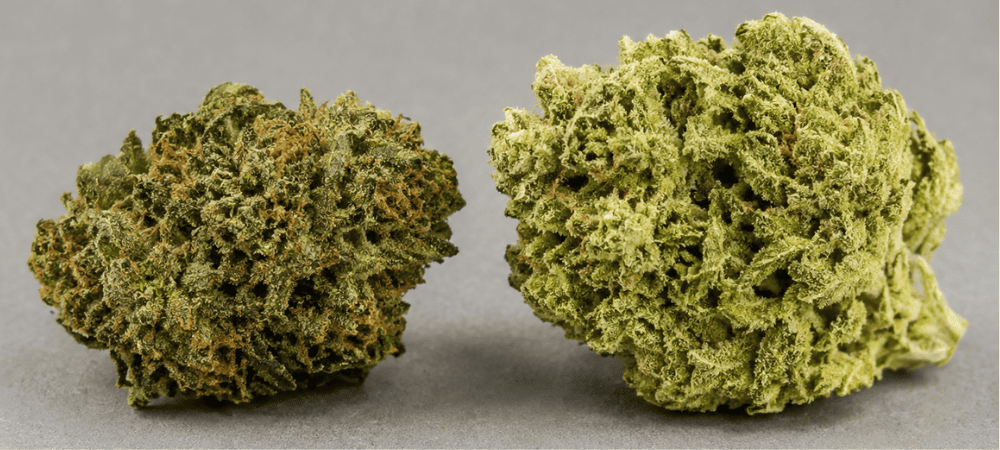
On the other hand, this process can alter the final experience. The appearance, texture, and aromatic perception of cannabis that is freeze-dried may differ from cannabis dried and cured in a traditional way. That is why it is better to understand it as a different technology and not as an accelerated copy of classic drying.
Preservation of visual structure
Freeze-drying can help maintain a structure closer to the original state of the material, since water is removed from the frozen state. This is especially interesting when looking to preserve volume, shape, or visual appearance.
Interesting for extractions
In some extraction processes, working with frozen material or controlled humidity can be interesting when looking to maintain more stable conditions during the process. Even so, the result depends on the type of raw material, the equipment used, and the final goal.
| Differences between traditional drying and freeze-drying | ||
|---|---|---|
| Aspect | Traditional drying | Freeze-drying |
| Main method | Slow moisture evaporation | Ice sublimation under vacuum |
| Time | Longer | Faster |
| Technical control | Highly dependent on the environment | More controlled if the equipment is adequate |
| Temperature | Can vary by room and method | Less exposure to intense heat |
| Cost | More accessible | Higher |
| Subsequent curing | Common | May require different approaches |
| Aromatic profile | Progressive development during drying/curing | Can preserve certain compounds, but modify others |
| Recommended use | Traditional cultivation, artisanal or standard drying | Technical processing, research, professional production, or advanced preservation |
When can freeze-drying cannabis make sense?
Freeze-drying can be interesting when looking to:
- Reduce processing times.
- Work with homogeneous batches.
- Preserve material for analysis.
- Process medicinal or industrial cannabis with greater control.
- Avoid high temperatures during drying.
- Prepare raw material for certain types of extraction.
- Investigate new post-harvest techniques.
On the other hand, it may not be the most suitable option when looking for an economical, artisanal process or one based on the slow development of aroma and texture through traditional curing.
FAQs about what freeze-drying cannabis is
Is freeze-drying the same as freezing cannabis?
This difference is important because a frozen material still has water inside it. In contrast, a freeze-dried material has lost much of that moisture, which changes its stability, texture, and behavior during storage.




 Add as preferred source in Google