Personalized Attention +44 151 947 0713
 SHIPPING TO ALL

 9/10 Rating
 SALE TO MINORS PROHIBITED
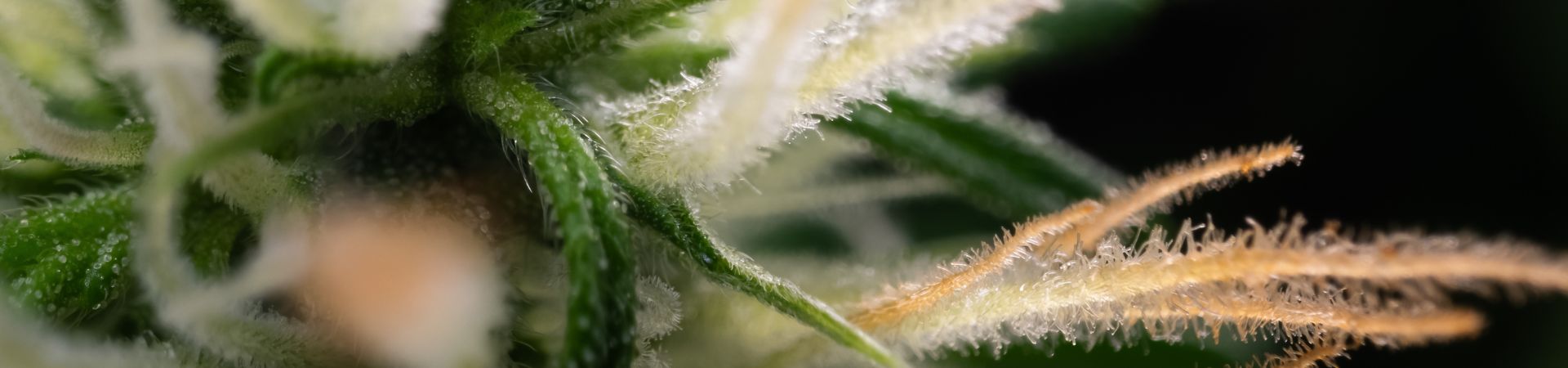
What are terpenes? You are starting out in cannabis cultivation and have heard a lot about terpenes, but you are getting lost in all the information. If you still don’t know what they are or have a lot left to learn about them, keep reading this post because here you will find all the information you need: types of terpenes, uses, properties, and examples.
What are terpenes?
Terpenes are chemical substances, organic compounds, that we can find in many plant species, and even in animals (though to a lesser extent in the latter). They are responsible, among many other things, for giving plants those very particular aromas and flavors. This applies not only to different varieties of cannabis seeds, as we can find terpenes in multiple species of the plant kingdom.
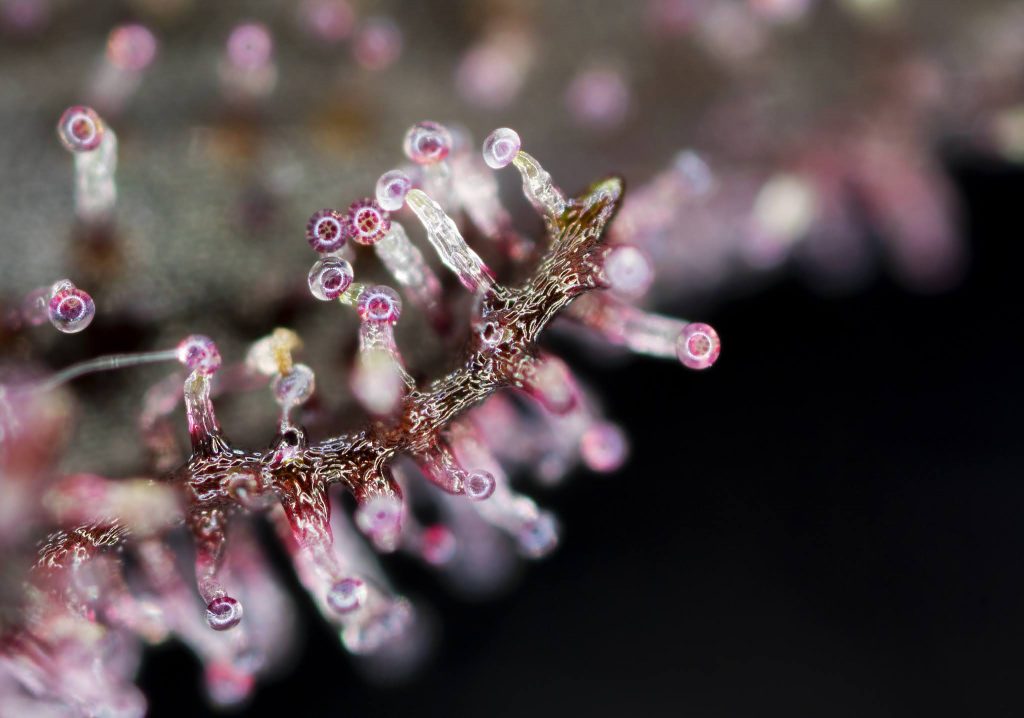
There is a wide diversity of terpenes, each with an exclusive chemical structure, which are what provide the unique and exceptional smells and aromas to plants. In the case of cannabis plants, terpenes are found in the trichomes and have various functions, which we will explain later.
Terpenes are made up of carbon and hydrogen atoms, specifically, repeating isoprene units. Isoprenes are the union of 5 carbon atoms. Thus, depending on how many isoprene repeating units are in the plant, there will be a predominance of one type of terpene or another.
Structure of terpenes according to isoprenes
We can find different types of terpenes in the cannabis plant depending on the number of isoprene units they are composed of:
- Monoterpenes: composed of two isoprene units. Since an isoprene is the union of five carbon atoms, monoterpenes are the conjugation of 10 of these atoms.
- Sesquiterpenes: composed of three isoprene units, that is, 15 carbon atoms.
- Triterpenes: composed of six isoprenes, which means it is a set of 30 carbon atoms.
There are many other combinations of isoprenes since, as we have already mentioned, they are not only found in cannabis plants, but also in multiple species of the plant world. However, most of the terpenes found in cannabis plants are monoterpenes.
Terpenes have high organoleptic qualities in plants (referring to aroma and flavor), although they can also define their effect along with cannabinoids. We already know that cannabis plants work very well under the so-called entourage effect, meaning that all their qualities work better in synergy than in isolation. Thus, we can understand that the effects produced by cannabinoids are complemented, in part, by the qualities offered by terpenes.
Functions
Terpenes have various uses for the plant. Although the most characteristic thing about terpenes is the distinctive aroma they provide, their main function is to protect the plant from external agents. That smell and aroma that we humans find so attractive generates the opposite effect when it comes to predatory insects or herbivorous animals. The smell often acts as a repellent for these animals that can attack the plant. And not just the smell, but the resin (where terpenes are also found) is responsible, in the same way, for trapping insects that approach the plant.
They not only perform the function of protecting the plant from animals, but also from extreme temperatures. For example, they are responsible for regulating the plant’s humidity to prevent it from being in drought or excess moisture. Consequently, it also helps the plant prevent fungi and bacteria.
Terpenes are found in greater quantities in female cannabis plants that have not yet been pollinated. While they can repel predatory insects, they also have the ability to attract pollinating insects. However, the amount of terpenes varies according to the genetics and cultivation conditions of each plant.
Some terpenes
There are around 120 terpenes identified, although most of them have been found in such low doses that their effects are very low or null. Thus, the terpenes found in greater quantities and which, therefore, produce a noticeable effect, are the following:
Limonene
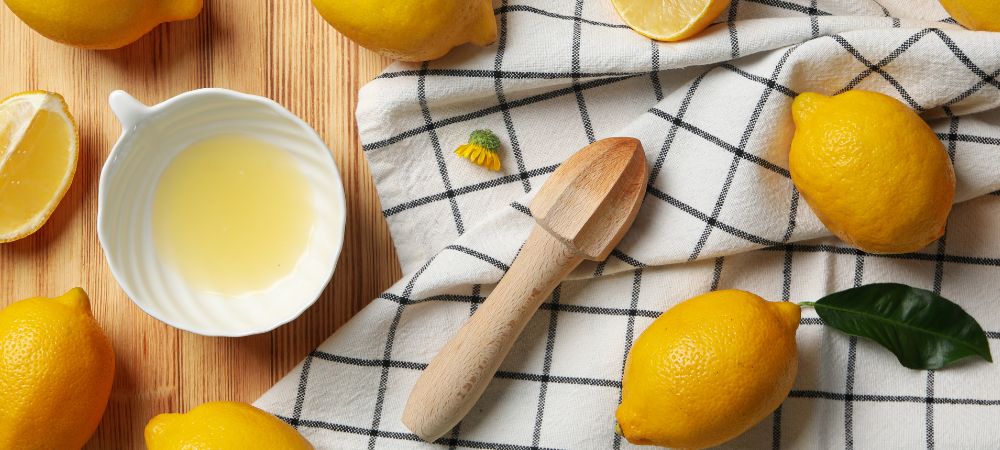
Known for its citrus aroma and flavor, it is present, above all, in fruits like lemon or orange, although also in mint and rosemary. But it is also in marijuana, and in large quantities. As a therapeutic use, limonene is widely used to treat bronchitis. Some examples of marijuana plant varieties with a predominance of limonene are Lemon Skunk and Super Lemon Haze, among many others.
Myrcene
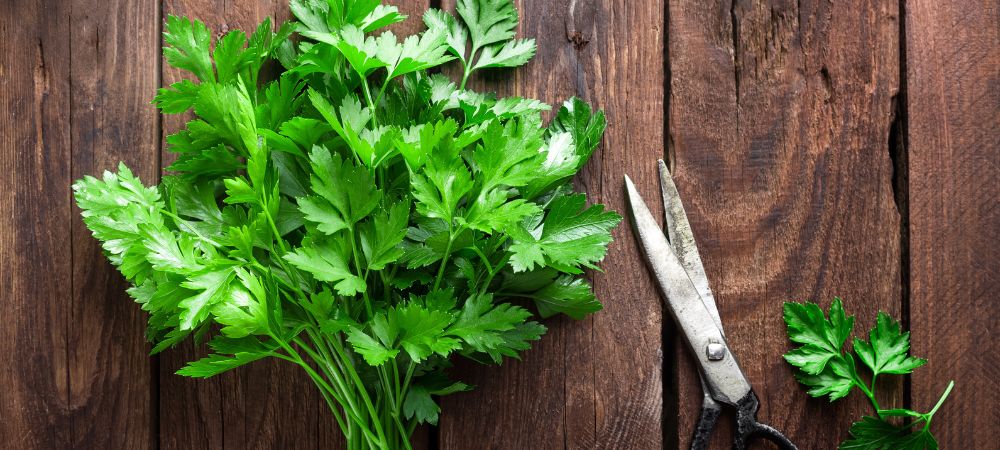
It is the most common in cannabis plants and the one that provides that earthier aroma and flavor. Although it is found a lot in cannabis plants, other plants like thyme and parsley also contain this specific terpene. Its essential oil is used as a relaxant and sedative, as it helps fight insomnia. Some examples that contain myrcene are White Widow marijuana plants and Special Kush.
Linalool
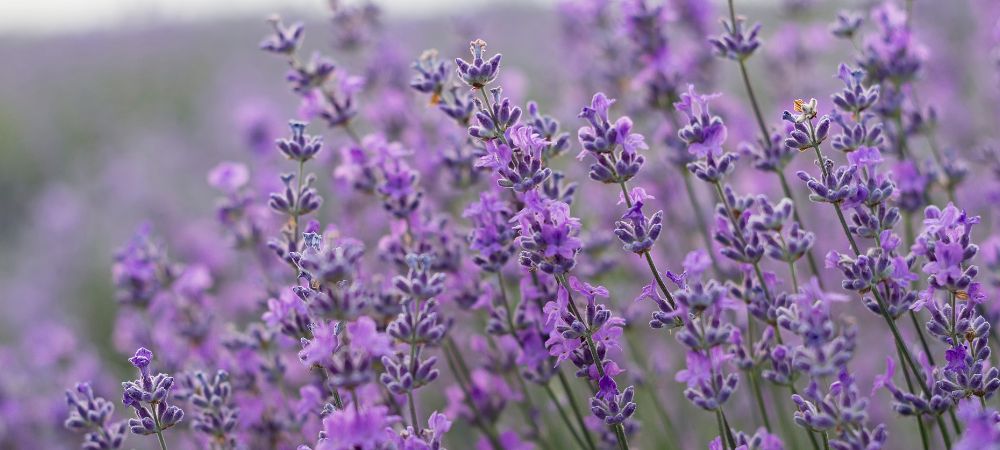
This terpene is responsible for some marijuana varieties having an aroma and flavor of fresh flowers, although, as one might expect, it is not only found in cannabis. For example, it can be observed in large quantities in lavender or basil. Regarding therapeutic effects, linalool can serve to fight depression and anxiety or be anti-inflammatory, among many others. Some examples of marijuana plant varieties that contain linalool are Amnesia Haze and Lavender.
Beta-caryophyllene
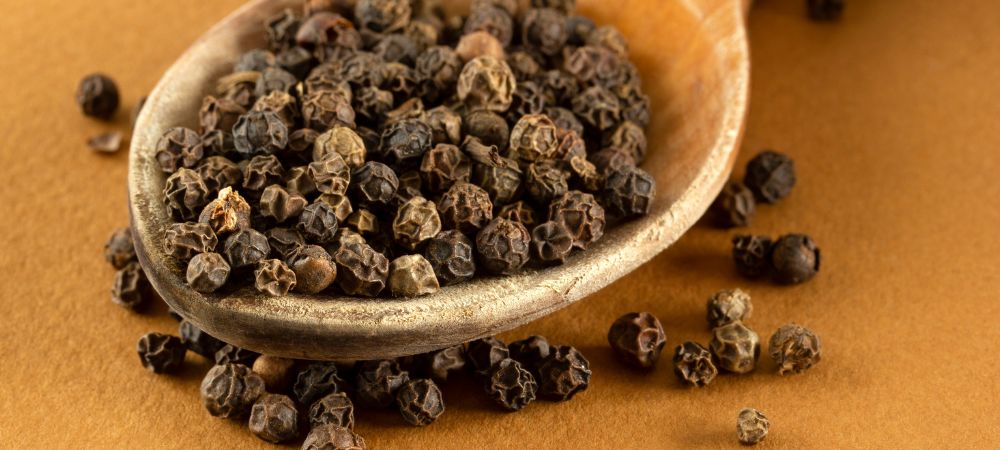
In addition to some varieties of cannabis plants, this terpene can be found in black pepper or rosemary. The most characteristic thing about this terpene is that it also acts as a cannabinoid because it activates our CB2 receptor. By activating this receptor, the effect provided is not psychoactive, but it can help in fighting the symptoms of arthritis or multiple sclerosis. Caryophyllene can be found in varieties such as Gorilla Glue or OG Kush.
A-pinene
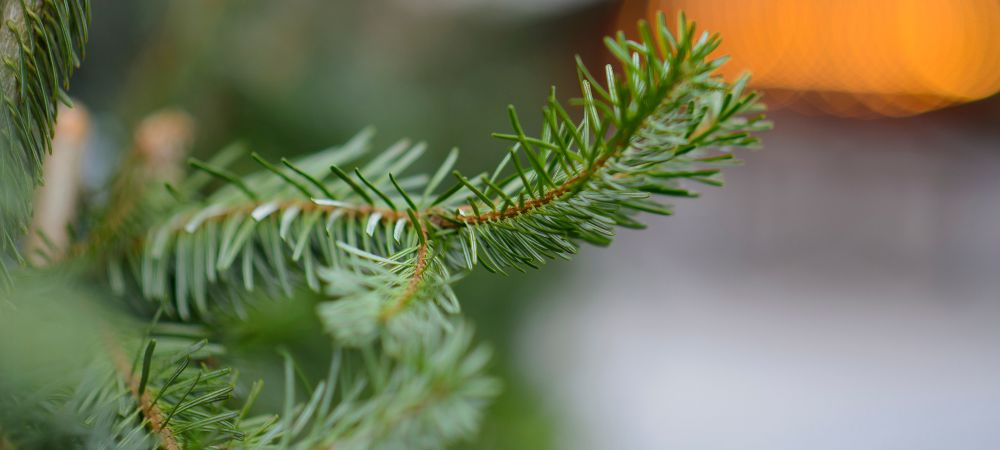
Pinene is another of the terpenes that we can commonly find in marijuana, but also in pine or rosemary. The flavor and aroma it provides, as we can deduce from its name, is pine-like. Among its therapeutic effects, pinene is considered anti-inflammatory and antibacterial, among many others. Some examples of marijuana plant varieties with pinene are Sweet Skunk Auto and Durban Poison.
Terpenes in marijuana
As we mentioned above, terpenes also influence the type of effect they can generate. They act in synergy with the cannabinoids of our marijuana plant (such as the CBD available in our CBD Store, THC, CBG, or CBN). Thus, the type of predominant terpene will vary according to the variety of cannabis plant in question, whether it is indica or sativa.
We already know that the effects that the most indica varieties can provide are more relaxing than those of sativas, and in this aspect, the type of terpenes found in them also influences.
Thus, in indica genetics, we will find much higher percentages of myrcene, accompanied by low amounts of pinene or limonene. It is because of the high amounts of myrcene that the effect is so physically relaxing, in conjunction with the cannabinoids the plant has, thanks to the aforementioned entourage effect.
For their part, sativa genetics or those with sativa dominance may also present high doses of myrcene as a dominant terpene along with pinene and terpinolene also in abundant doses. However, some sativas with dominance of the latter terpenes will also be observed. These will be responsible for providing us, together with the cannabinoids, with a mostly euphoric and stimulating effect.
A good example of a sativa with a marked aromatic profile is Sour Diesel by Royal Queen Seeds, known for its citrus character with an earthy background and creative effect. Likewise, Zkittlez Strain is well known for its sweet and fruity character, and for how that set of terpenes gives it a very recognizable identity compared to other varieties.
Properties
Terpenes are the main constituent of essential oils used in aromatherapy. We consider aromatherapy as an alternative treatment to promote physical and psychological well-being. Thus, we can say that the use of terpenes in aromatherapy has medicinal and therapeutic properties.
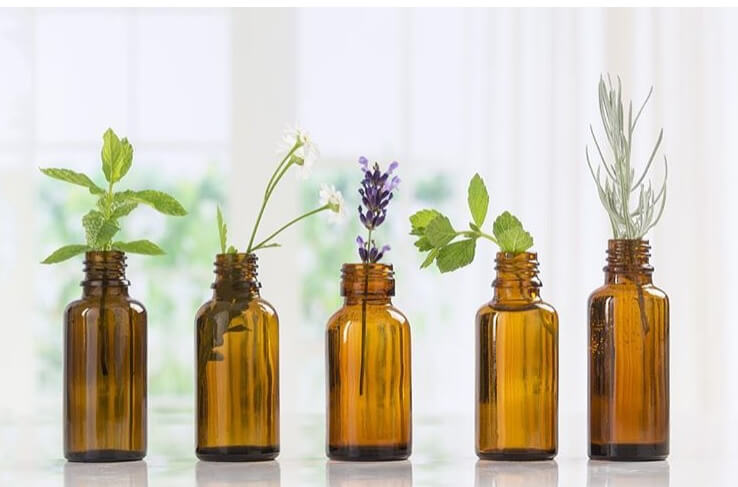
As a therapeutic effect, it has analgesic and anti-inflammatory functions, fights depression and anxiety, as well as addiction, calms epilepsy seizures, can be considered anti-cancer, and fights fungal and bacterial infections.
This is in general terms, but depending on the type of terpene used in aromatherapy or through any other technique, one type of effect or another will be observed (as we have already anticipated). Thus, for example, while myrcene is more sedative and relaxing, limonene offers us a more stimulating and stress-relieving effect.
Do you want to know more about the different types of terpenes and their particularities? Stay tuned for our next posts and keep learning about these curious chemical substances.



 Add as preferred source in Google