Personalized Attention +44 151 947 0713
 SHIPPING TO ALL

 9/10 Rating
 SALE TO MINORS PROHIBITED

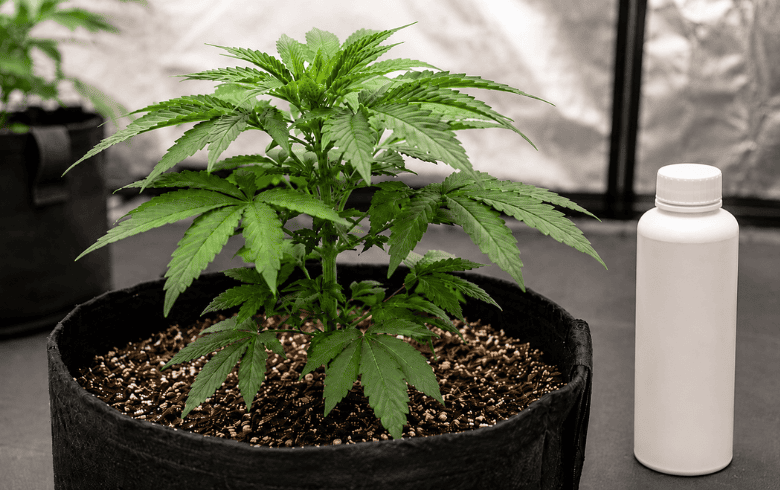
Growing marijuana at home for personal use is a rewarding process, but it requires time, dedication, and the right knowledge. This article will guide you on when and how to plant marijuana, from sowing to harvest, ensuring your plants grow strong and healthy, adapting to the ideal conditions to obtain the best results.
If you are looking for a more classic approach (male/female) for selection or genetic projects, check out our regular marijuana seeds.
Let’s get started!
When to plant marijuana?
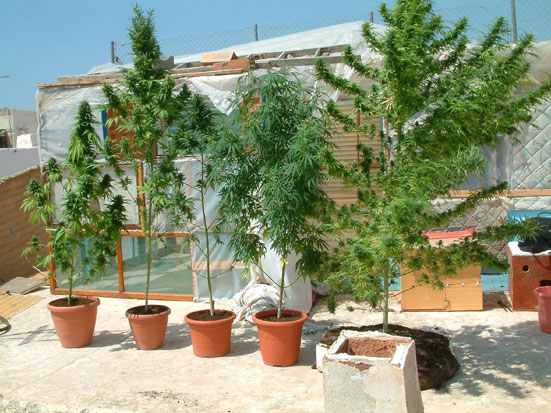
The right time to plant depends on whether you decide to grow indoors or outdoors. For outdoor cultivation, spring is the perfect season for your plants to take advantage of the heat and sunlight. If you prefer indoor cultivation, you can start at any time of the year and control the light cycle to optimize flowering.
Choosing the right marijuana seeds
Choosing the right marijuana seeds is essential. If you are a beginner, autoflowering seeds are an excellent option, as they require less attention and grow faster. For more experienced growers, photoperiod seeds offer greater control over the growth cycle and allow you to customize the crop according to your needs.
Germination and sowing of seeds
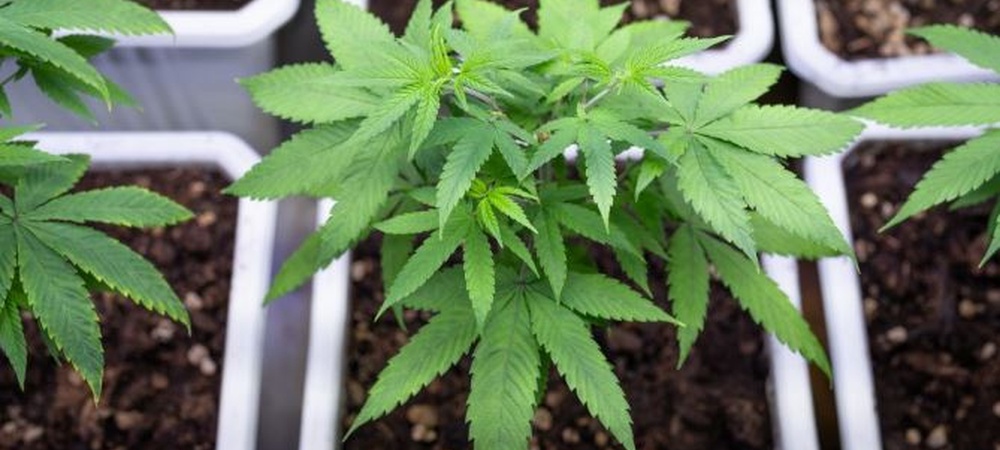
Germination is the first crucial step. To germinate the seeds, you can use the glass of water method for 24 hours or the paper towel method. After germination, plant them in pots with a suitable substrate such as organic, nutrient-rich soil.
Regarding types of seeds, you can opt for:
- Feminized seeds: These are ideal for those looking for plants that produce only female buds, ensuring a more productive harvest.
- Regular seeds: These offer a mix of male and female plants, ideal for those looking to breed their plants.
- Autoflowering seeds: These adapt well to beginners, as they flower automatically without the need for a specific light cycle.
For more information on the best substrate for germinating marijuana or how to choose the right type of seed, check out our related articles.
Plant care during growth
During the vegetative phase, it is essential to provide the right conditions for your marijuana plants to grow strong and healthy. Here are more key details:
- Indoor cultivation:
- Light: Plants require a minimum of 18 hours of light per day during the vegetative phase. Use LED or CFL lights to cover the full spectrum.
- Temperature: Maintain between 22°C-28°C during the day and 18°C-22°C at night.
- Humidity: Keep humidity between 60% and 70%. Use humidifiers or dehumidifiers if necessary.
- Outdoor cultivation:
- Light: Ensure your plants receive at least 6-8 hours of direct sunlight per day.
- Temperature: The ideal climate is between 20°C-30°C. Avoid frost and extreme temperatures.
- Watering: It is essential to water well during hot days, but make sure not to create puddles that could damage the roots.
This approach will help you optimize the growth of your plants, whether indoors or outdoors.

Fertilization and proper nutrition
The nutrition of marijuana plants varies throughout their life cycle. During the vegetative phase, plants require a fertilizer rich in nitrogen, which promotes the growth of leaves and branches. In the flowering phase, it is crucial to increase the levels of phosphorus and potassium, which are essential for the development of large, healthy flowers.
- Organic fertilization: For growers who prefer natural methods, the use of worm castings, guano, and organic flowering boosters will provide complete nutrition and improve the flavor of the harvest. If you want to know more about the best flowering booster for marijuana, click here.
- Chemical fertilization: If you are looking for higher production, chemical fertilizers offer a full range of nutrients that will help maximize yield, although they could slightly affect the flavor of the final product.
Always remember to follow the manufacturer’s instructions, especially if you use pre-dosed fertilizers, to avoid over-fertilizing and damaging your plants.

Advanced cultivation techniques
For more experienced growers, SCROG (Screen of Green) and SOG (Sea of Green) techniques can maximize plant yield and optimize available space. These techniques allow plants to be distributed more efficiently, maximizing the light and air they receive.
Pest and disease control
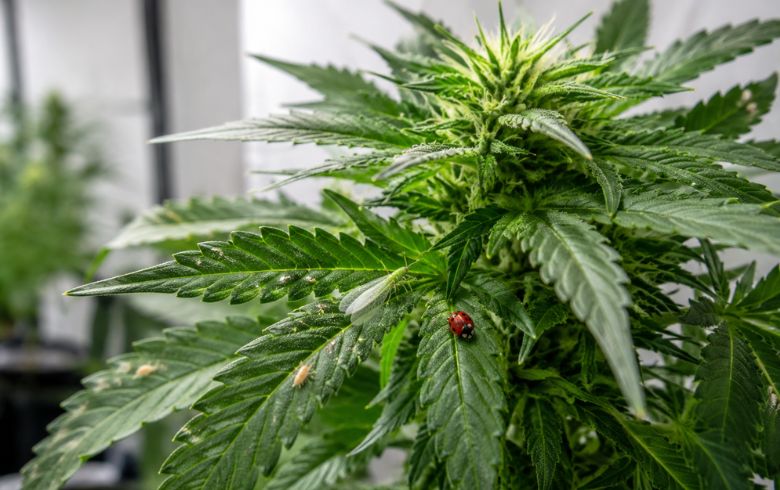
Preventing pests and diseases is vital for cultivation success. Use organic insecticides to protect your plants, and be sure to keep humidity under control to avoid fungi and mold. Check the plants regularly for signs of pests and act quickly to prevent further damage.
When to harvest marijuana?
Harvesting is the moment when your efforts bear fruit. To know when to harvest, observe the plant’s trichomes with a magnifying glass. When they turn amber or milky, it is the right time to cut and begin the harvest.

Drying and curing for better quality
Drying is a critical process to ensure quality marijuana flowers. You should dry the flowers in a dark, cool, and ventilated environment. Then, perform the curing in airtight jars to allow the flowers to develop a more pronounced flavor and aroma and to enhance their effects.
Planting marijuana for small size and low yield
To grow small and compact plants, it is recommended to germinate your seeds in mid-May. This will give them a month of growth before the photoperiod changes. With good weather and more light, the plants will grow strong and compact, reaching about 1 m in height and a production of approximately 250 grams. This type of cultivation is ideal for beginners due to its lower need for care and fewer problems with deficiencies, pH, or accumulated salts. They require less fertilizer and less intervention.
Planting marijuana for giant size and yield
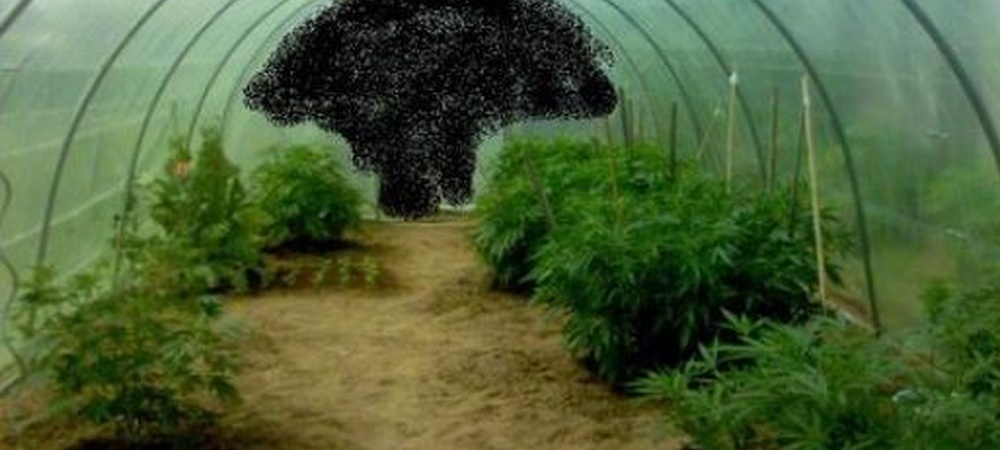
Giant plants, which can exceed 3 meters and produce up to 1 kg, demand more attention and planning. You must start with indoor germination in December to allow for good development in a greenhouse. As you move toward March, the plant adapts to the spring photoperiod, which stimulates its growth and branching. Installing a SCROG net is essential to control expansion and improve production by preventing branches from breaking under the weight of the buds.
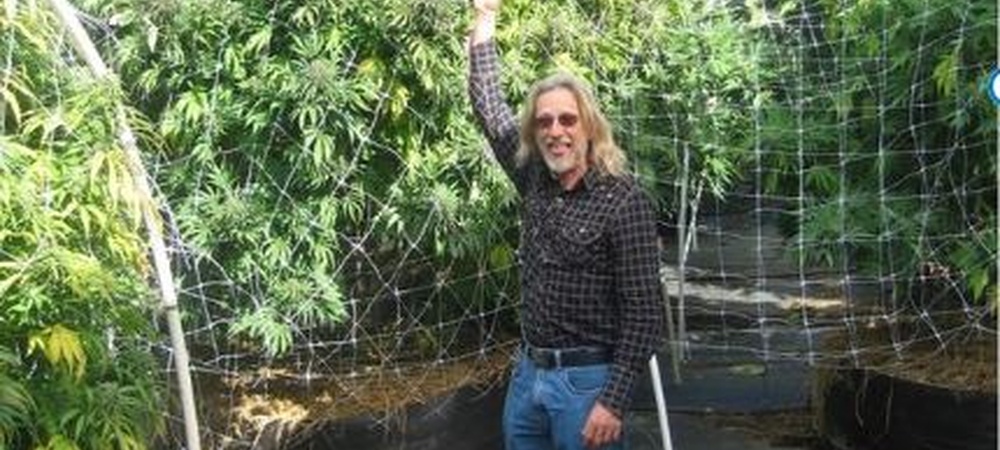
In addition, pest and fungus control is critical, as the size of the plant and the density of the branches increase the risk. During the flowering process, you can install a second net to support the branches, facilitating the emergence of new shoots. This type of cultivation requires constant nutrition and the implementation of organic or chemical preventives to ensure a successful harvest.
Marijuana cultivation is a rewarding and challenging process that, with patience and dedication, will lead you to successful harvests. From seed selection to final curing, every step is crucial. If you are a beginner, start with autoflowering seeds and follow the basic instructions. If you are more experienced, techniques like SCROG and SOG can optimize your crops. You are now ready to start!
Do you have questions about marijuana cultivation? Leave them in the comments and share your experience with us!