Personalized Attention +44 151 947 0713
 SHIPPING TO ALL

 9/10 Rating
 SALE TO MINORS PROHIBITED
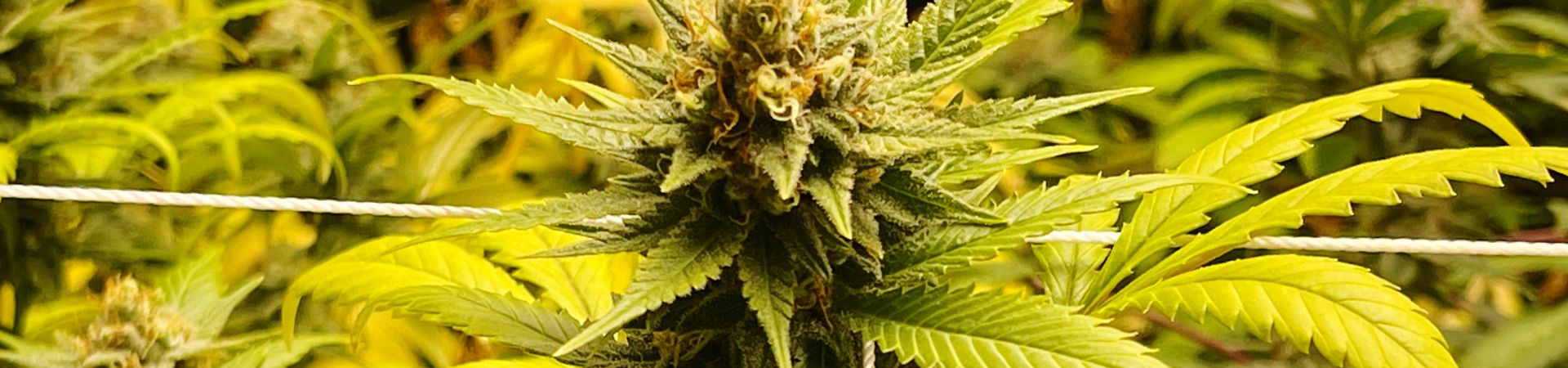
SCROG (Screen of Green) cultivation is one of the most effective techniques for maximizing space in your cannabis grow and obtaining superior yields. If you want to grow using the SCROG method, you can achieve an abundant harvest without needing many plants. In this article, we will explore all the key aspects of this technique, from initial preparation to best practices for ensuring high-quality production.
What is SCROG cultivation?
SCROG cultivation is a plant training technique that allows the branches of your cannabis plants to grow horizontally, covering a wider space and making better use of light. This approach ensures that plants do not compete for light and allows the lower parts to receive greater exposure. The result is a more uniform and higher-quality harvest.
What is the purpose of SCROG?
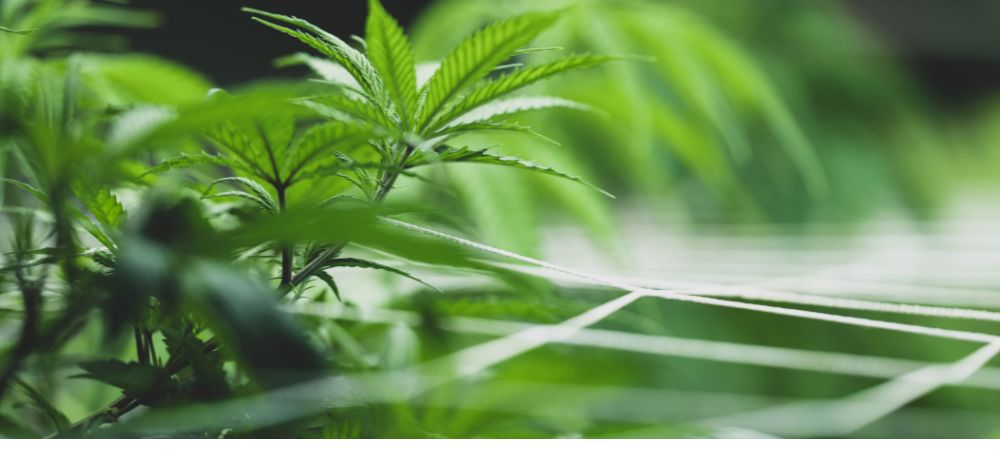
As mentioned before, the SCROG method reduces costs and labor. In a traditional grow, between 9 and 15 plants are planted per square meter, but with SCROG, you can reach up to 50 plants per meter, which increases the effort required for watering, pruning, and pest control. However, SCROG allows you to reduce the number of plants to between 1 and 5 per square meter, which lowers the cost of seeds.
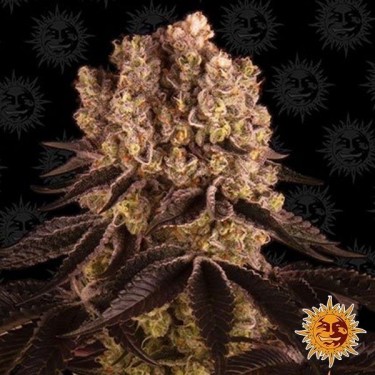
For this type of training, genetics with dense branching and compact buds work especially well. A very interesting option if you like sweet, “bakery-style” profiles is Purple Punch (Barney’s Farm), which can also develop dark/purple tones during flowering under good conditions.
The trade-off for this technique is the additional growth time, which means fewer harvests per year, but with higher production quality.
Furthermore, in some countries, cannabis home-growing is permitted, making SCROG ideal for growers who want to optimize their production without exceeding legal limits. We hope that, one day, this freedom will extend to all growers.
SCROG method during flowering
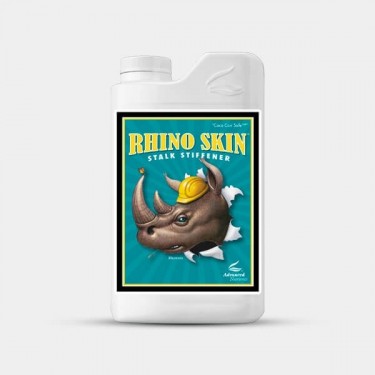
The most frequently asked question is: When do we know it is time for flowering? Well, as we said before, it depends on the variety we are growing, and whether we start from seeds or clones. Indica varieties, starting from seed, can be put into flowering once they have occupied 75% of the SCROG net. This may require between 3 and 5 weeks of growth. With the help of phytohormones, this process can be slightly shorter. You can also use products like Rhino Skin by Advanced Nutrients to improve resistance.
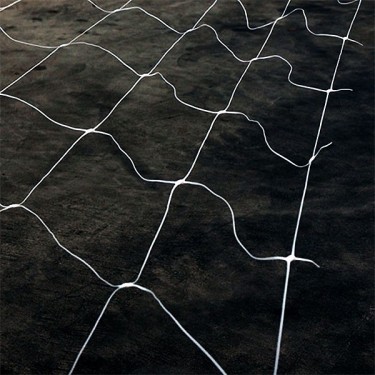

Sativa varieties can afford the “luxury” of starting flowering with 60% of the net occupied, which translates into less growth time, although the flowering period remains just as long. In the case that we would like to apply this technique to clones, we will have to wait until 85% for Indicas and up to 70% for Sativas; this change is due to the vigor that marijuana seeds have when it comes to flowering.
This technique can also be used outdoors, where the net can be placed horizontally, vertically, or covering the plant like a “blanket.” Clearly, the net must be tied to structures that keep it stable to function as a trellis, thereby allowing the plant to produce more, since the weight of the flowers is, in part, supported by the net.
In Haze or Sativa-dominant genetics, controlling stretching is very important. That is why varieties like feminized Super Silver Haze tend to respond especially well to SCROG when you want to make better use of light and maintain a uniform canopy.
Pros and cons of SCROG
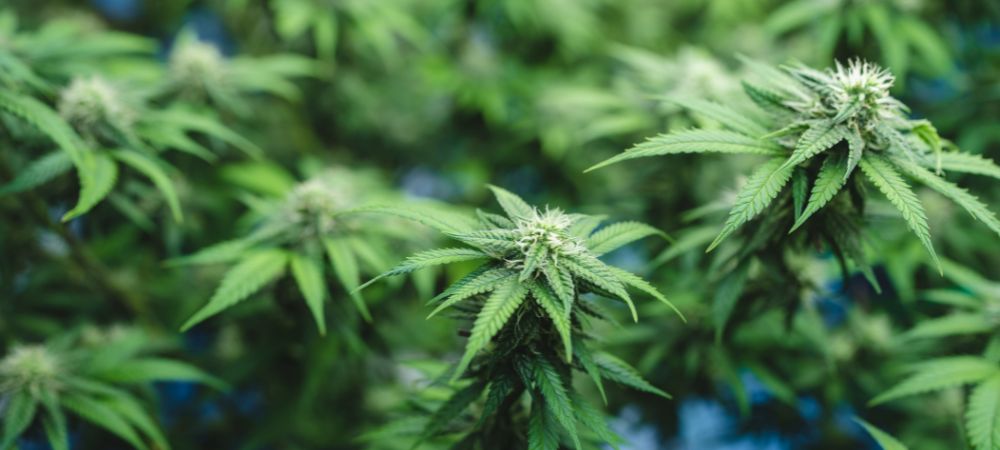
The advantages of this technique are obvious, but there are also aspects to consider. In addition to having fewer harvests per year, one of the drawbacks is the volume of plant mass generated. It will be necessary to control this growth through regular pruning to prevent problems such as mold or insufficient ventilation. In addition to pruning, it is advisable to carry out preventive work using products containing silicon, such as Silicate (Mineral Magic) from General Hydroponics fertilizers, Horsetail from Trabe, Liquid Silicon from Ionic, or Rhino Skin from Advanced Nutrients, among others, which help prevent fungal attacks. On the other hand, neem oil remains the only effective preventive against insects of any origin.

Common problems when growing in SCROG and how to solve them
Despite being an efficient technique, SCROG cultivation can present certain challenges. Here are some common problems and their solutions:
Uneven plant growth
- Solution: Ensure that the SCROG net is installed at the appropriate height. Also, perform regular pruning to remove the lower branches that will not receive enough light.
Excess humidity and mold problems
- Solution: Maintain adequate airflow in the grow area. Use fans to reduce humidity and prevent it from accumulating on the plants.
Limited space for branches
- Solution: Use nets with a stronger structure and ensure that the branches are distributed evenly to make better use of the available space.

SCROG cultivation is an excellent technique for those looking to maximize space and improve the quality of their cannabis grow. By following the proper steps and applying best practices, you can achieve a more abundant and higher-quality harvest without needing a large number of plants. If you are looking for a variety that responds very well to training, AK-47 marijuana is a classic example.
If you are new to SCROG cultivation, we recommend that you start with varieties that adapt well to this method and that you constantly monitor the conditions of your grow.
Products in this article




 Add as preferred source in Google