Personalized Attention +44 151 947 0713
 SHIPPING TO ALL

 9/10 Rating
 SALE TO MINORS PROHIBITED

There are many homemade fertilizer recipes, but one of the most effective and popular is fertilizer made with ash and coffee. These are two affordable, natural, and organic ingredients that can be reused to improve the soil quality for our plants. Below, we explain why this fertilizer offers so many benefits and how to prepare it to see results.
What do coffee and ash provide for plants?
For this homemade fertilizer, you’ll need coffee grounds and wood ash, which can be collected after lighting a fireplace or having a barbecue. Coffee grounds are rich in phosphorus, potassium, and nitrogen, three essential nutrients for plant growth. Besides enriching the soil, coffee grounds improve its texture, increasing porosity and its ability to retain moisture. Additionally, coffee encourages the activity of beneficial soil microorganisms, which are crucial for breaking down organic matter and releasing nutrients. Lastly, coffee can also repel pests, as its aroma deters ants and snails.

Wood ash can also be a beneficial fertilizer for gardens and orchards. Hardwoods provide ash that is particularly rich in nutrients like magnesium, calcium, and potassium. Examples include walnut, oak, olive, and cherry trees. Ash from softwoods like pine, fir, and cedar is less nutrient-dense but still suitable for use as fertilizer. It’s important to ensure that the wood has not been treated or painted, as this may introduce toxic chemicals to the plants.
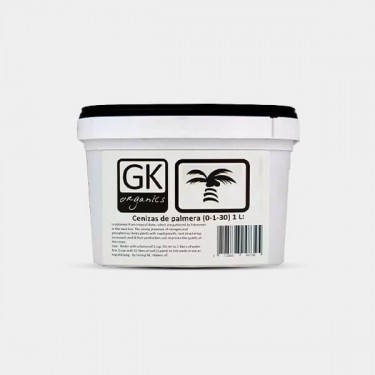
Both wood ash and coffee grounds can be used separately, diluted in water, as fertilizer. In fact, some plants benefit particularly from coffee as a fertilizer. However, combining the two can enhance their effects and yield better results.
Recipe for fertilizer with ash and coffee
This is the preparation method for this magical recipe to make an inexpensive, nutrient-rich homemade fertilizer.
Ingredients:
- 4 tablespoons of ash.
- 3 tablespoons of coffee grounds.
- 1 liter of water.
Add the water to a bottle, then pour in the coffee grounds and wood ash. Seal the bottle and shake well to mix the ingredients. Let the mixture sit for 24 hours. After that, it’s ready to use. Apply it to the soil around the plant, and it can be repeated every two weeks. The mixture can be stored at room temperature for up to a month.

Can you use instant coffee?
You might wonder if any type of coffee can be used to make this fertilizer. The truth is that not all products are suitable. Instant coffee, like coffee from capsules, lacks the essential nutrients that plants need. Additionally, they often contain additives or artificial ingredients that may harm plants. It’s best to use natural coffee grounds or, if you don’t drink coffee, substitute with tea leaves from black or green tea infusions, which are also rich in nutrients beneficial to plants.
It’s important to monitor the use of this fertilizer because both coffee and ash can acidify the soil, so you may need to check the soil’s pH periodically and adjust the frequency of use if necessary.
Other cheap and homemade fertilizers
In addition to fertilizer made with ash and coffee, there are other affordable homemade fertilizers that can provide extra nutrients to plants. These are some highly effective recipes.

Banana infusion
Bananas are known for being rich in potassium. Fortunately, our plants can also benefit from this. Many crops, such as tomatoes, strawberries, carrots, and marijuana plants, require extra potassium, especially during the flowering stage, to produce blooms. To make this infusion, simply boil two or three banana peels in a small amount of water for about 15 minutes. Strain the liquid, let it cool, and it’s ready to be used for watering. It can be applied every two weeks.
Eggshell fertilizer
When plants need an extra supply of calcium, you can use a fertilizer made from eggshells. However, caution is needed, as too much calcium can block the absorption of other essential nutrients and harm the plant. Eggshells can also raise the soil’s pH, making it more alkaline.
Therefore, it’s best to apply it only once or twice a year. The shells decompose slowly and can also serve as a barrier against caterpillars and snails. For a quicker effect, you can use water from boiling eggs instead of crushed shells.

Rice water fertilizer
The water from cooking rice or pasta is rich in starch (which gives it a cloudy appearance). This water is full of nutrients for plants and can be used as a fertilizer. It contains potassium, zinc, magnesium, and iron, all essential elements for plant development. It’s also rich in carbohydrates, which feed soil microorganisms that break down organic matter into simpler substances that plants can absorb.
As you can see, there are many household products that we can recycle and use to supplement our plants, giving them the extra nutrients they need during certain stages of growth.





 Add as preferred source in Google