Personalized Attention +44 151 947 0713
 SHIPPING TO ALL

 9/10 Rating
 SALE TO MINORS PROHIBITED


Nowadays, coffee grounds are gaining popularity as a go-to fertilizer option, with more people exploring their potential benefits. Rich in nutrients, coffee grounds can be highly beneficial for many types of plants. However, not every plant responds well to this type of fertilizer. In the following sections, we’ll cover why coffee grounds work well as a fertilizer, how to prepare them, practical ways to use them, and which plants thrive with coffee grounds as a source of nutrients.
Why are coffee grounds beneficial for plants?
Coffee grounds offer multiple benefits for plants, similar to other organic fertilizers like worm castings or bat guano. Here are some key advantages:
Release nutrients essential for plants
Used coffee grounds can act as an effective garden fertilizer by providing unique benefits, as they contain essential minerals like phosphorus, potassium, and nitrogen. These nutrients are slowly released, gradually absorbed by the soil, and help promote healthy plant growth year-round.
Unlike chemical fertilizers, coffee grounds provide a sustained effect without causing long-term soil damage.
Improves soil structure
Coffee grounds encourage the development of beneficial microorganisms and attract earthworms, which help aerate the soil, promoting oxygen exchange. By regularly adding a mixture of coffee grounds, soil, and other organic materials, it is possible to reduce or even eliminate the need for synthetic fertilizers.
Additionally, used coffee grounds have a neutral pH, making them a highly effective fertilizer compared to other acidic compounds.

Acts as a natural pesticide
In addition to enriching the soil, coffee grounds serve as a protective barrier against certain pests in cannabis, such as slugs and snails. Due to their composition, coffee grounds act as a natural insect repellent, offering extra protection without chemical pesticides.
However, it is essential to apply coffee grounds in thin layers to avoid blocking water and air from entering the soil.
How to use coffee grounds as fertilizer
There are different ways to use coffee grounds in the garden, improving the soil with ease. Some methods include:
- Direct fertiliser: Sprinkle coffee grounds directly on the soil around your plants or mix them with compost. Coffee grounds are rich in nitrogen, and mixing them with other organic materials creates a nutrient-rich blend is created..
- Pest repellent: Lightly layer coffee grounds around plants to keep pests like ants, snails, and slugs away. The smell of fresh coffee deters them.
- Liquid Fertiliser: Mix coffee grounds with water, let it sit for a few days, and use the resulting liquid to water plants.
- Composting: Add coffee grounds to compost piles to accelerate decomposition and add nutrients to the final compost.
Nevertheless, use with moderation, as excessive amounts can negatively affect soil pH. Ensure coffee grounds are free from additives or chemicals to avoid harming plants.
How to prepare coffee grounds for plants
Preparing coffee grounds as fertilizer is simple and highly effective. Follow these steps:
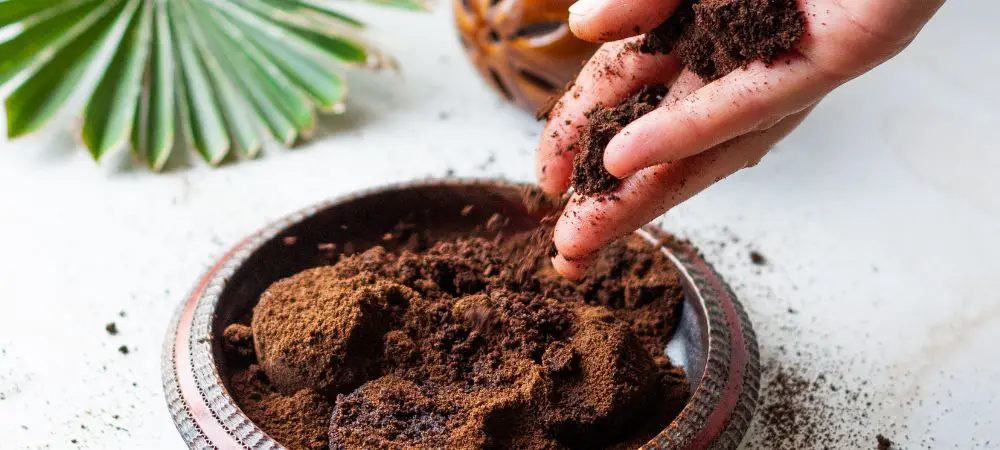
1. Drying: Place used coffee grounds on a tray with paper to dry in the sun for one to two days to prevent mold growth.
2. Storage: Once dry, store the coffee grounds in a dark and sealed container.
3. Mix with soil: Combine dry coffee grounds with soil or compost in a 1:3 ratio (one part coffee, three parts soil or compost).
4. Application: Sprinkle the mixture around plant bases without covering stems. Repeat every two weeks for optimal results.
Which plants benefit from coffee grounds?
Not all plants benefit equally from coffee grounds, but some plants particularly appreciate them, such as:
Acid soil plants
Some plants thrive in lower pH and respond well to coffee grounds as fertilizer, including:
- Hydrangeas
- Camelias
- Azaleas
- Rhododendrons
- Blueberries
- Magnolias
Fast-growing plants
Some plants appreciate the nitrogen in coffee grounds, which boosts growth, like:
- Spinach
- Lettuce
- Chard
- Kale
- Mustard Greens
- Arugula
Indoor plants
When used sparingly, coffee grounds can be quite beneficial for certain indoor plants.
- Gardenias
- Orchids
- Potos
- Ribbons
- Azaleas
- Aloe vera
Other plants
- Carrot
- Tomatoes
- Radish
- Roses
- Strawberries
- Ferns
Coffee grounds and marijuana: what are they good for?
The use of coffee grounds for marijuana cultivation offers multiple benefits as mentioned above. Likewise, it is a cheap and easily available material, with which to help nourish marijuana plants, as it contains phosphorus, potassium, calcium and magnesium, providing a slower and more progressive absorption of nutrients.
It also serves as food for beneficial soil microorganisms such as earthworms. However, it should not be applied around young plants or those still in the germination stage. Coffee grounds can last for months, although earthworms and bacteria decompose it, helping it to be incorporated into the soil.
These are just some of the plants that need coffee as a fertilizer, but its use in cultivation can be of great help for the development of plants.