Personalized Attention +44 151 947 0713
 SHIPPING TO ALL

 9/10 Rating
 SALE TO MINORS PROHIBITED
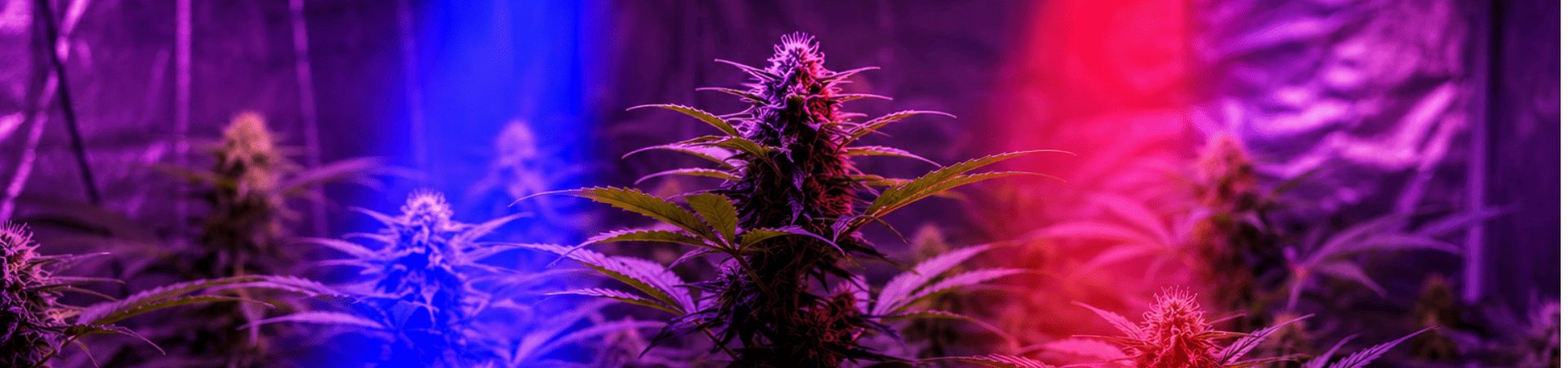
The effects of light radiation on plants go far beyond photosynthesis. Light influences growth, internodal distance, flowering, resin production, leaf color, and the plant’s response to environmental stress.
Each part of the light spectrum can trigger a different reaction. Blue, red, green, ultraviolet, and far-red light intervene differently in the plant’s physiological processes, which is why not all light sources produce the same results.
Understanding how light radiation acts is key in both outdoor and indoor crops, where the grower can better control the type of light, intensity, distance, and photoperiod.
What is light radiation in plants?
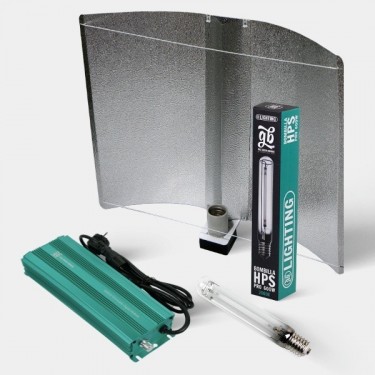
Light radiation is the energy from light that reaches the plant. This radiation can come from the sun or from artificial lighting systems, such as LED grow lights, LEC equipment, HPS, or other systems used in indoor cultivation.
Plants do not use all light in the same way. Some wavelengths are used directly in photosynthesis, while others intervene in processes related to growth orientation, flowering, germination, pigment production, or defense mechanisms.


Main effects of light radiation on plants
The effects of light radiation on plants can be seen in practically all stages of cultivation. Proper lighting promotes healthy and balanced development, while insufficient, excessive, or poorly distributed light can cause visible problems in leaves, stems, and flowers.
Among the main effects of light on plants are:
- Activation of photosynthesis.
- Development of leaves, stems, and roots.
- Regulation of internodal distance.
- Production of pigments and antioxidant compounds.
- Response to light stress.
- Changes in the shape, size, and orientation of leaves.
- Production of resin and secondary metabolites in certain species.
That is why, in cultivation, it is not enough to just provide light. The type of light, the quantity, the distance to the light source, the photoperiod, and the moment of the cycle in which the plant is located also matter.
Photosynthetically Active Radiation or PAR
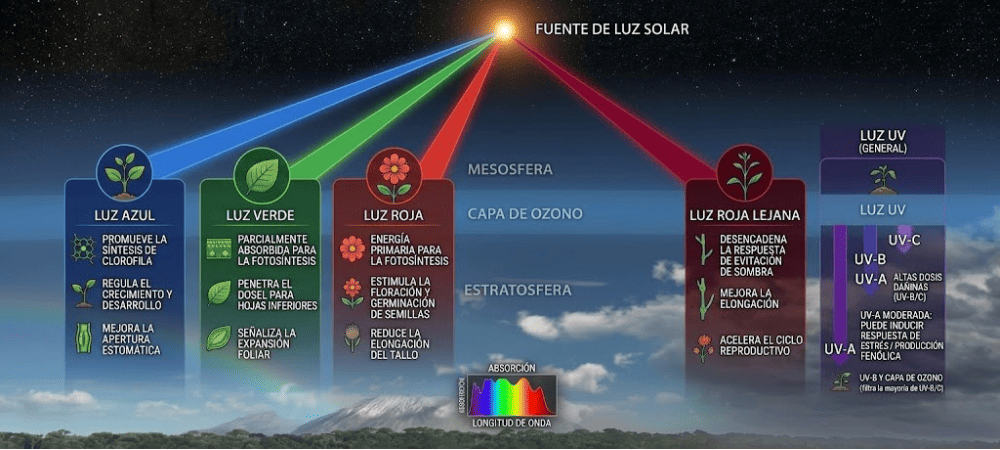
The part of light that plants mainly use to perform photosynthesis is known as photosynthetically active radiation, also called PAR. This is found approximately between 400 and 700 nm (nanometers), within the visible spectrum.
Within that range, not all zones act the same. Each color or wavelength can influence different aspects of plant development.
Blue light
Blue light, located approximately between 400 and 500 nm, is important during the growth phase. It helps the plant develop a more compact structure, healthy leaves, and strong stems.
When blue light is lacking, some plants can stretch too much and show weaker stems or a greater distance between nodes.
Red light
Red light is found approximately between 600 and 700 nm. It is one of the most important zones for photosynthesis and also plays a prominent role in flowering and the general development of the plant.
In indoor cultivation, it usually has special importance during flowering, as it is related to the formation of flowers and the plant’s energy utilization.
Far-red
Far-red is found above 700 nm and is related to phytochromes, receptors that help the plant interpret light and shadow.
When there is too much far-red, the plant can stretch more as it interprets that it is competing for light. Therefore, it is advisable to work with balanced spectra.
Green light
For a long time, it was thought that green light was practically useless for plants because a part of it is reflected, giving leaves their characteristic color. However, it can also play an interesting role.
It can penetrate better into internal areas of the plant canopy, helping light reach lower or less exposed leaves.
How does light influence photosynthesis?
Photosynthesis is one of the most important processes within the effects of light radiation on plants. Thanks to it, plants transform energy from light into chemical energy to be able to grow and develop.
This process takes place in the chloroplasts, where pigments such as chlorophyll are found, responsible for capturing light radiation. From there, the plant produces sugars, releases oxygen, and obtains energy to form roots, stems, leaves, flowers, and fruits.
When light is insufficient, photosynthesis is reduced and the plant can grow weaker, with thin stems, small leaves, and lower production. However, an excess of light can also cause light stress, burns, or loss of vigor. Therefore, the important thing is to adjust the intensity, spectrum, and distance of the light source well according to the cultivation phase.
Effects of ultraviolet radiation on plants
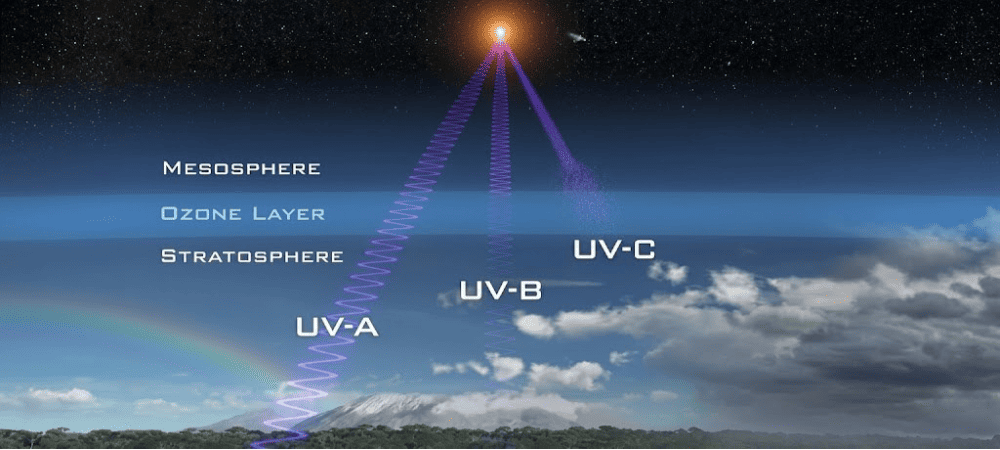
The ultraviolet radiation is found below the visible spectrum and is mainly divided into UV-A, UV-B, and UV-C. Although it represents a minor part of the radiation a plant receives, it can have significant effects on its physiology, morphology, and defense mechanisms.
UV-A rays
It is the least energetic within the ultraviolet range. It can influence some physiological processes and certain plant responses, especially when combined with other parts of the spectrum.
In cultivation, UV-A can participate in responses related to pigments, natural defenses, and secondary compounds. However, its effects depend heavily on the species, intensity, exposure time, and the general state of the plant.
UV-B rays
It is more energetic than UV-A and can cause more marked responses in plants. In small doses and under controlled conditions, it can activate defense mechanisms and promote the production of certain protective compounds.
In some species, exposure to UV-B has been linked to changes in flavonoids, pigments, trichomes, and other secondary metabolites. In the case of cannabis, its possible influence on the production of resin and cannabinoids is often mentioned, although it should not be understood as an automatic formula to increase potency.
An excess of UV-B can reduce photosynthesis, slow down growth, damage plant tissues, or generate stress. Therefore, if lighting with a UV component is used, it must always be done with control and without assuming that more ultraviolet radiation means better results.
UV-C rays
It is the most energetic and also the most aggressive. In natural conditions, a large part of this radiation is filtered by the atmosphere before reaching the Earth’s surface.
In plants, high exposure to UV-C can damage tissues, affect DNA, and cause serious development problems. For this reason, it is not used as conventional grow lighting and must be treated with special care.
How do plants defend themselves from UV radiation?
Plants have developed different mechanisms to protect themselves from ultraviolet radiation and excess received radiation.
Among the most common defenses are:
- Increased production of protective waxes on the leaf surface.
- Increased cuticle thickness.
- Production of flavonoids and other antioxidant compounds.
- Changes in size and other antioxidant compounds.
- Changes in leaf size and orientation.
- Reduction of leaf area to limit exposure.
- Increased lignin synthesis in some tissues.
- Activation of cellular repair mechanisms.
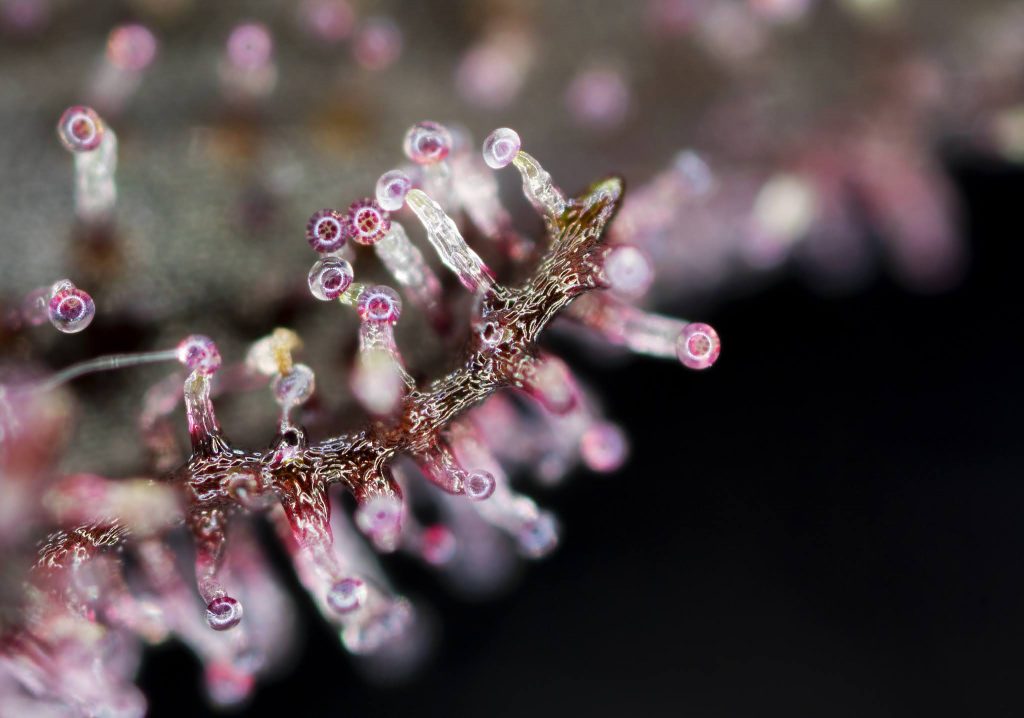
In cannabis, trichome production can also be part of the plant’s defensive response to different environmental factors, including intense light, UV radiation, dryness, or pest pressure.
Effects of light radiation on plants (cannabis plants)
In cannabis cultivation, light plays a fundamental role from germination to harvest. It not only determines the growth rate but also the plant’s structure, internodal distance, flower formation, resin production, and final yield.
During the growth phase, proper lighting helps achieve strong plants with resistant stems and good leaf mass. In this stage, blue light plays an important role because it promotes more compact and balanced growth.
During flowering, the plant needs intense and stable lighting to form dense flowers and maximize its productive capacity. In this phase, red light takes on greater prominence, although the ideal is to work with a full spectrum that provides a more balanced response.
It is also important to control the distance between the light source and the plants. If the light is too far away, the plant may stretch excessively in search of light. If it is too close, burns, claw-shaped leaves, discolorations, or light stress may appear.
Light spectrum in indoor cultivation
In indoor cultivation, the grower has the advantage of being able to choose the type of lighting and better control environmental conditions. However, they also have the responsibility of providing adequate light in each phase.
When choosing a lighting system for indoor cultivation, it is not advisable to look only at several factors. You must also take into account efficiency, spectrum, coverage, recommended distance, heat generated, and light distribution over the crop.
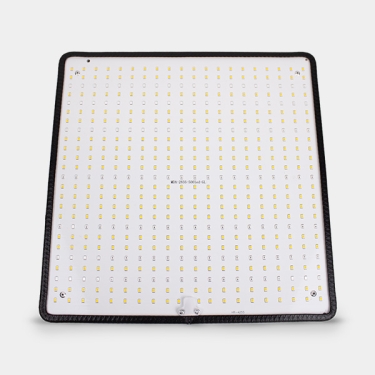
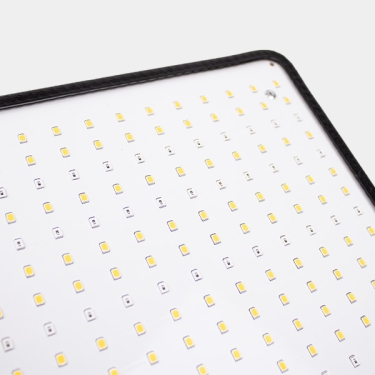
Full-spectrum LED grow lights for cannabis have become a widely used option. These allow covering different phases of cultivation with more efficient consumption and lower heat emission than other traditional systems.
However, even with good equipment, it is necessary to adjust the height, power, and photoperiod well. Powerful but poorly placed lighting can create areas with excess light and others with a lack of intensity, affecting the general development of the crop.
Summary table of the light spectrum in plants
| Type of radiation | Approximate range | Main effect on plants |
|---|---|---|
| UV-C | 100-280 nm | Very energetic radiation, can damage tissues and DNA |
| UV-B | 280-315 nm | Activates defenses, can generate stress and morphological changes |
| UV-A | 315-400 nm | Influences pigments, defenses, and physiological responses |
| Blue light | 400-500 nm | Promotes compact growth, leaves, and vegetative development |
| Green light | 500-570 nm | Penetrates better into internal areas of the plant canopy |
| Red light | 600-700 nm | Key in photosynthesis, flowering, and general development |
| Far-red | 700-740 nm | Influences phytochromes, elongation, and shade response |
Tips for better use of light in indoor cultivation
For the effects of light radiation on plants to be positive, it is important to work in a balanced way. These tips can help improve crop performance.
- Choose a light source suitable for the size of the grow tent or room.
- Maintain the correct distance between the light and the tips of the plants.
- Avoid sudden changes in intensity.
- Ensure good ventilation to control temperature.
- Check that the light reaches the entire surface homogeneously.
- Adjust the photoperiod according to the growth or flowering phase.
- Observe the leaves to detect signs of light stress.
- Do not abuse UV radiation if its use is not well controlled.
The key is to find a balance between intensity, spectrum, and environment. A plant can only make good use of light if the other cultivation factors are also correctly adjusted.



 Add as preferred source in Google