

 Personalized Attention +44 151 947 0713
 SHIPPING TO ALL

 9/10 Rating
 SALE TO MINORS PROHIBITED
 Iniciar sesión
 0
0

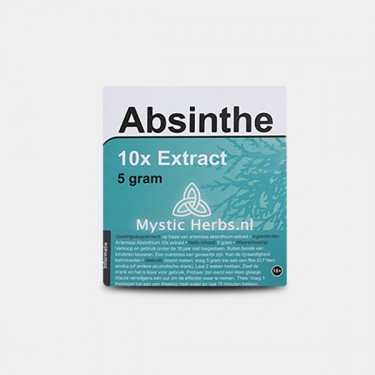
Concentrated plant extract made from Artemisia absinthium, presented in a standardized 10x potency. A natural extract intended for collectors and study purposes, aimed at those who value aromatic plants with a strong herbal and cultural tradition.
 1
loyalty point.
Your cart will total 1
loyalty point
that can be converted into a voucher of
0.20€
1
loyalty point.
Your cart will total 1
loyalty point
that can be converted into a voucher of
0.20€

Data sheet
Description
The Absinthe plant extract is produced from wormwood (Artemisia absinthium), an aromatic plant with a strong botanical character defined by its bitter, intense, and deeply herbal profile. Through controlled extraction processes, the plant compounds found in the aerial parts are concentrated into a stable and homogeneous natural extract, preserving its distinctive aroma and vegetal personality.
The 10x designation indicates that this plant extract features a higher concentration compared to the original plant, a common standard among natural extracts that makes it easier to identify its intensity and compare it with other options in the catalog. This concentration level helps maintain wormwood’s aromatic potency and its traditional sensory profile, setting it apart from milder or more neutral extracts.
Native to Europe and Asia, Artemisia absinthium is a perennial subshrub easily recognized by its grayish leaves, penetrating aroma, and small yellow flowers. Throughout history, it has been known by many names, reflecting its wide distribution and cultural relevance.
Its historical role reached particular prominence in the 19th century, when wormwood became the main ingredient in absinthe, an iconic beverage associated with European artists, writers, and intellectuals, giving rise to the well-known imagery of the fée verte, or “green fairy.”
From a botanical perspective, wormwood stands out for its content of essential oils and thujone, compounds responsible for its characteristic aroma and the stimulating effects traditionally attributed to the plant, without being considered a hallucinogenic species.
Wormwood plant extract (Artemisia absinthium) has historically been used in European herbal traditions, associated with traditional preparations to stimulate appetite, support digestion, and relieve stomach discomfort. It is also referenced in uses related to parasite expulsion and overall bodily balance.
Its cultural relevance was consolidated as the main ingredient of absinthe, a historic spirit made from wormwood leaves and flowers along with other aromatic herbs such as anise. Popular in France in the late 19th century, it was adopted by artists and intellectuals under the name fée verte. Its intense, bitter aroma has also been valued in traditional perfumery and cosmetics.
15/04/2026
The aromatic potency is amazing the 10x concentration is clearly noticeable, offering a wormwood extract of great purity.
Translated from Spanish
La potencia aromática es sorprendente la concentración 10x se percibe claramente, ofreciendo un extracto de ajenjo de gran pureza.
07/04/2026
Fast shipping and efficient format the 5 grams are enough for my botanical study purposes.
Translated from Spanish
Envío rápido y formato eficiente los 5 gramos son suficientes para mis propósitos de estudio botánico.
04/02/2026
Exceptional quality with the classic bitter and herbal profile of Artemisia absinthium totally recommended.
Translated from Spanish
Calidad excepcional con el perfil amargo y herbal clásico de la Artemisia absinthium totalmente recomendable.