 Personalized Attention +44 151 947 0713
 SHIPPING TO ALL


 9/10 Rating
 SALE TO MINORS PROHIBITED

 Iniciar sesión
 0

Fungus gnat insecticides
Fungus gnat insecticides Best Sellers
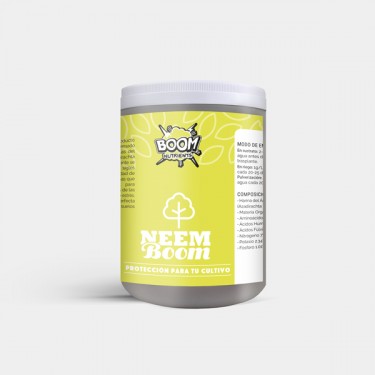
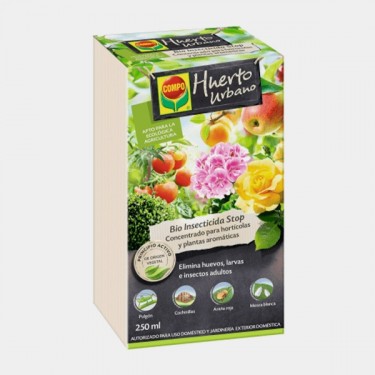

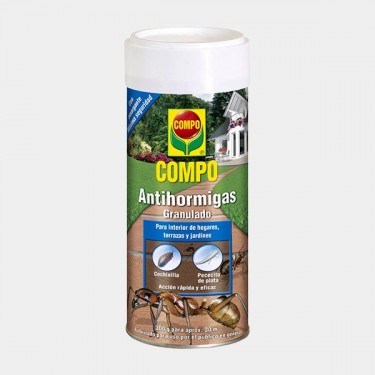
All the catalog: Fungus gnat insecticides
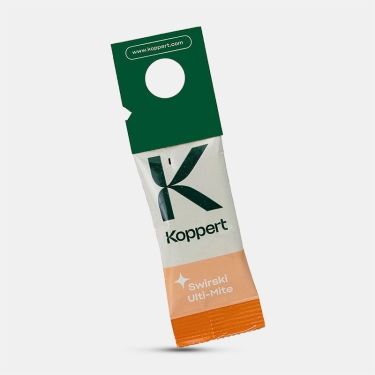

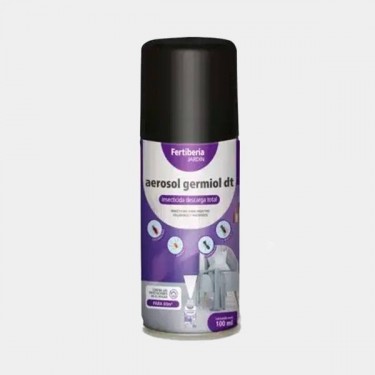

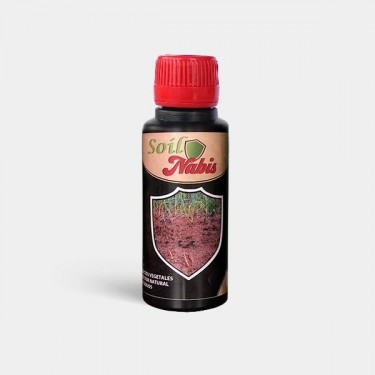
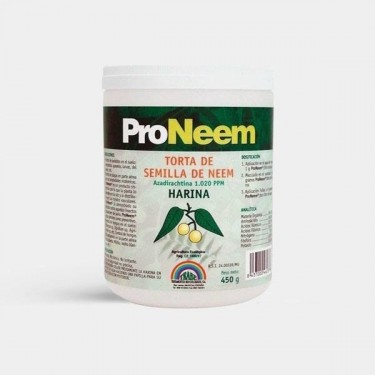
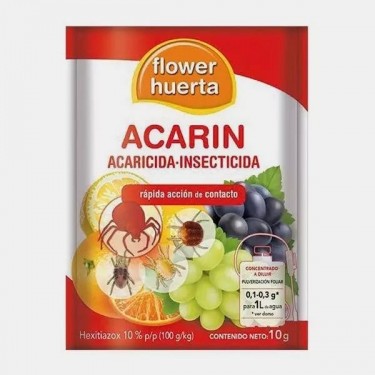
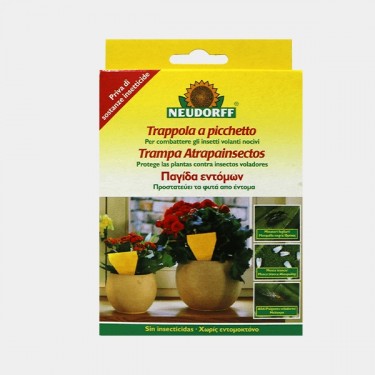

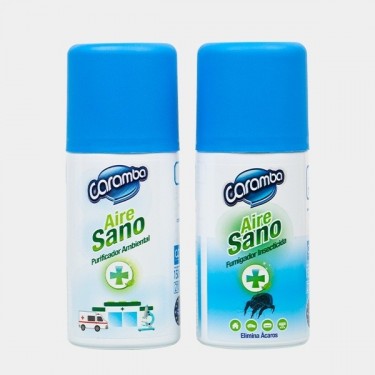
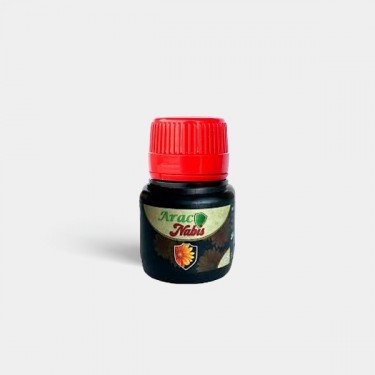
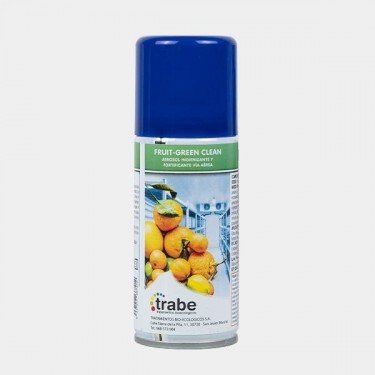
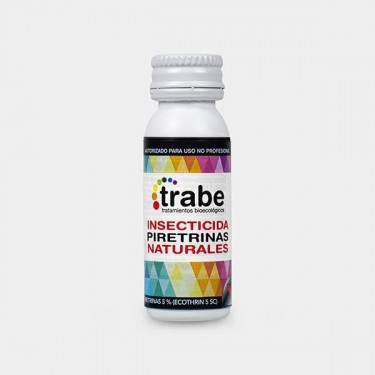
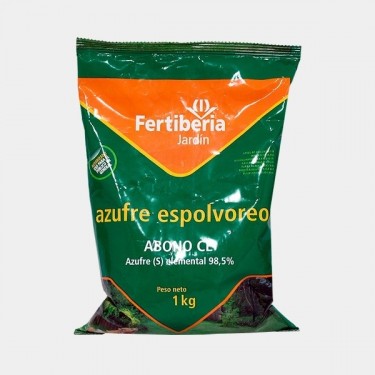
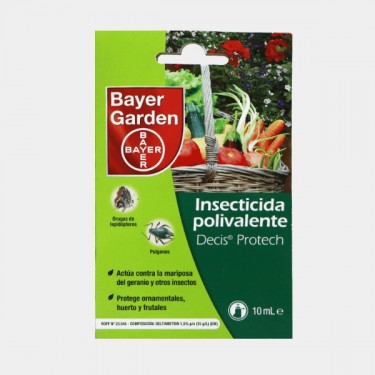
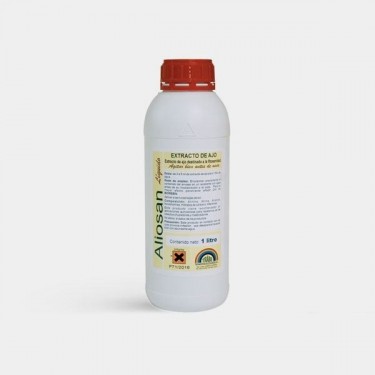
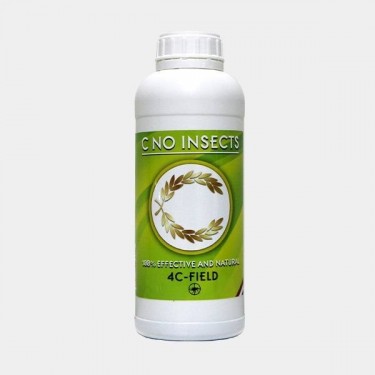

Fungus gnat insecticide: guaranteed effectiveness
The fungus gnat, also known as the soil gnat or mulch gnat (Bradysia spp.), is a small pest that often appears in humid environments rich in organic matter, such as potting substrates. This insect is especially common in indoor grows, where temperature and humidity conditions favor its proliferation. Although tiny, its impact can be significant—particularly in sensitive crops like cannabis.
The larvae feed on plant roots and decaying organic material, weakening the root system and affecting nutrient absorption. In cannabis cultivation, this results in slower growth, yellowing leaves, and in severe cases, plant death. Moreover, adult gnats can carry pathogens that increase the risk of plant diseases.
Benefits of using fungus gnat insecticide
Using insecticides to control fungus gnats offers several benefits, especially for indoor gardens. However, it’s important to apply them responsibly and always follow the manufacturer’s guidelines to minimize negative effects. Here are some key benefits:
- Effective pest control. Insecticides can quickly reduce the gnat population, preventing damage to plants. These gnats lay eggs in moist soil, and their larvae feed on roots—potentially weakening or killing the plant. The insecticide stops this damage.
- Prevents future infestations. By killing both adult gnats and larvae, the risk of reproduction and spread to other areas or crops is minimized. This is especially helpful in greenhouses and indoor setups.
- Saves time and resources. Effective insecticide treatment saves time and effort compared to manual or preventive methods. It also avoids the economic losses caused by damaged or low-quality harvests.
- Application versatility. Insecticides come in various forms (liquids, granules, sprays) suited for different cultivation needs. Some target larvae in the soil, while others eliminate adults.
- Complements other pest control methods. Insecticides can be part of an Integrated Pest Management (IPM) strategy, combined with sticky traps, biological control (e.g., nematodes or predatory mites), and cultural practices like avoiding overwatering.
Using a targeted insecticide is key to effective pest control without harming your plants. Not all products work the same. For example, thrips insecticides often contain spinosad or potassium soap, while whiteflies are managed with neem oil or azadirachtin. For aphids, natural pyrethrins or plant-based extracts like garlic can be very effective. Choosing the right treatment avoids resistance and maximizes protection.
How to choose the best fungus gnat insecticide
- Plant stage: Not all insecticides are safe for the flowering phase.
- Pest severity: For light infestations, sticky traps may be enough. For serious problems, a specific insecticide is required.
- Product type: Options include chemical, biological, and natural insecticides.
Why early treatment of fungus gnats matters
- Root damage: The larvae feed on fine roots and root hairs, reducing the plant’s ability to absorb water and nutrients. This weakens the plant, causing slow growth, leaf yellowing (chlorosis), and even death in severe cases.
- Pathogen transmission: These gnats can carry harmful fungi and bacteria like Pythium or Fusarium, which cause root rot and other diseases.
- Fast reproduction: With a short life cycle (2–3 weeks), fungus gnats can multiply quickly. A small infestation can escalate fast.
- Plant stress: Both larvae and adult gnats stress the plant, reducing growth and bud production.
- Cumulative damage: Each new generation of larvae does more damage, progressively weakening the plant.
- Difficult to control: The larger the population, the harder it becomes to eliminate them without drastic measures.
- Economic loss: In commercial grows, uncontrolled infestations can lead to significant losses in yield and quality.
How to identify a fungus gnat infestation
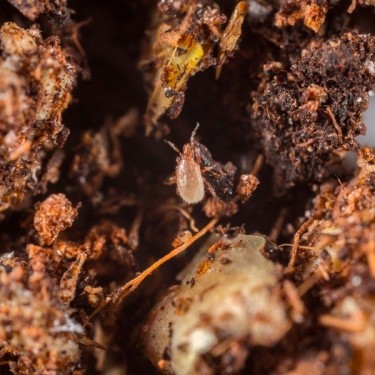
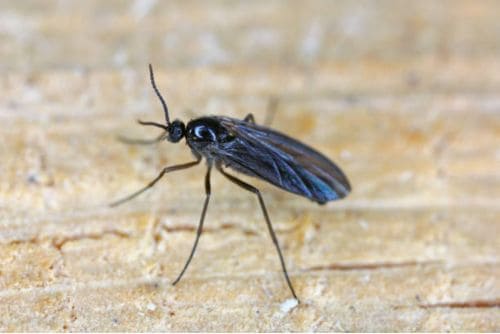
The first visible symptom is usually small adult gnats flying around plants or resting on the substrate. These gnats are dark-colored, 2–4 mm long, with long legs. You may also notice other early signs:
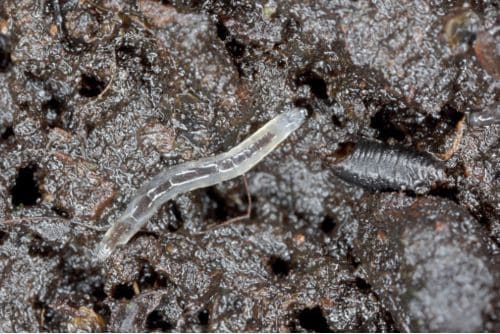
- Larvae in the substrate: Small, whitish or transparent larvae with black heads can be seen in the soil or by lifting the pot.
- Root damage: Though not always visible, signs like yellowing leaves or slow growth suggest root damage.
- Reduced yields: Affected plants produce fewer and lower-quality buds.
Step-by-Step Guide to applying fungus gnat insecticide
- Identify the pest. Confirm gnat presence and inspect roots for damage.
- Isolate affected plants. If possible, separate the infested plant to prevent spread.
- Clean the substrate. Remove decaying organic matter, fallen leaves, and debris.
- Control adults. Use yellow sticky traps to catch adult gnats and reduce their population.
- Choose the right product: Based on plant stage and infestation level.
- Apply the insecticide. Follow the manufacturer’s instructions for safe dosage.
- Repeat treatment: If needed, repeat every 7–10 days.
- Improve drainage. Avoid overwatering, as excess moisture promotes gnat proliferation.
- Prevention. Use high-quality substrates, avoid overwatering, and apply neem oil or organic insecticides as a preventive measure.
Which insecticides are safe during flowering?
During the flowering stage of cannabis, it’s crucial to use natural insecticides that are safe and do not affect bud quality:
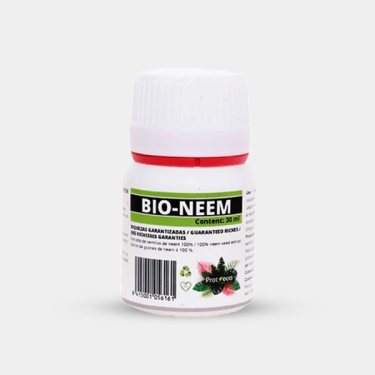
- Neem Oil: Acts as a natural insecticide that helps control fungus gnat infestations. Spray the top layer of the substrate to kill larvae.
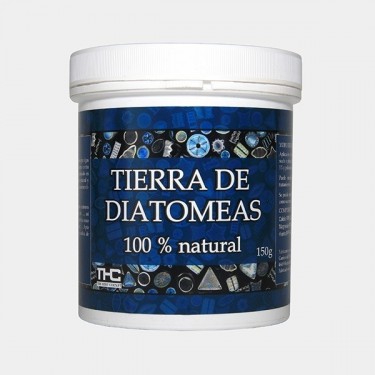
- Diatomaceous Earth: Sprinkle this natural powder over the substrate surface to kill larvae on contact. Diatomaceous Earth is completely safe for plants and doesn’t affect bud quality.
- Neem Cake (Neem Boom): Neem Boom is ideal for fighting substrate pests, including gnats and their larvae. Spread it evenly on pre-watered pots to form a barrier that blocks access to the substrate and prevents larval emergence.
- Natural Pyrethrin Insecticides: Products like Spruzit, containing natural pyrethrin and canola oil, are effective against both larvae and adult gnats. These are safe for use during flowering and leave no harmful residue.
Guide to the most effective insecticides available at Grow Barato
To effectively combat fungus gnats and other pests that can affect your cannabis grow, it's important to choose the right insecticide based on its composition, mode of action, and application method. Below, we provide a comparison of the different products available in our stores—ranging from natural to chemical and biological options. We also detail their effectiveness, active ingredients, how they work on insects, as well as key information regarding application frequency, recommended dosage, safety intervals, and compatibility with the different stages of the growing cycle.
| Product/Feature | ProNeem by Trabe | Decis Protech | Bio Neem | Spruzit® Insecticide - Acaricide | Solabiol by Bayer | THC Diatomaceous Earth | Swirskimite |
|---|---|---|---|---|---|---|---|
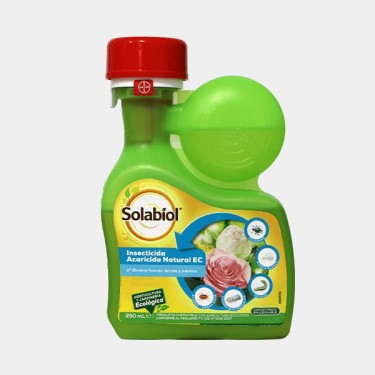
| Active Ingredient | Neem Seeds | Deltamethrin | Neem Seed Extract | Pyrethrin and Rapeseed Oil | Pyrethrins and Rapeseed Oil | Diatomite (rock powder) | Predatory Mites |
| Insecticide Type | Natural, Organic | Chemical | Natural, Organic | Natural, Organic | Natural, Organic | Organic | Natural, Biological |
| Application Method | Watering, substrate, foliar spray | Spray | Foliar spray, watering | Foliar spray | Foliar spray | Dusting, spraying | Place sachets on plants |
| Use | Preventive and curative | Curative, preventive | Preventive and curative | Curative, preventive | Curative, preventive | Preventive, curative | Preventive, curative |
| Mode of Action | Systemic repellent | Ingestion and contact | Boosts defenses, combats fungi | Acts through contact and inhalation | Acts through contact | Dehydration on contact | Mites eat insects |
| Effectiveness Time | Fast, consistent (preventive) | Fast (shock effect) | Moderate (temperature-dependent) | Fast (shock effect) | Fast (shock effect) | Gradual (over days) | Days to weeks |
| Precautions | Avoid overdosing | Do not apply near harvest (apply 21 days before) | Avoid at low temperatures | Do not apply during peak sunlight hours | Do not apply near harvest | Avoid human contact | Do not crush the mites |
| Key Characteristics | Organic, residue-free | Leaves no residue | Strengthens plants | Eco-friendly, safe for plants | Eco-friendly, easy to dose | Organic, leaves no residue | Natural predator |
| Use During Flowering | Does not affect taste or aroma | Not recommended during flowering (may leave residue) | Does not affect taste or aroma | Not recommended during flowering (may leave residue) | Not recommended during flowering (may leave residue) | Does not affect taste or aroma | Does not affect taste or aroma |
| Price | €15.40 (450g) | €10.00 (10 ml) | €8.78 (30 ml) | €15.95 (250 ml) | €20.00 (250 ml) | €4.46 (150g) | €3.10 (per sachet) |
How to prevent fungus gnats
Fighting fungus gnats isn’t always easy, so prevention is key. This also helps avoid root damage caused by their larvae. Here are some effective strategies:
- Control substrate moisture. Avoid overwatering, as damp and waterlogged environments favor the appearance of these pests. Let the top layer of the substrate dry out between waterings.
- Add a layer of sand or perlite to the surface. This prevents adult gnats from laying eggs in the soil, reducing larval numbers.
- Ensure good ventilation and an aerated substrate. Well-draining soil and good air circulation make it harder for fungus gnats to thrive.
- Keep the grow area clean. Fungus gnats are attracted to rich organic substrates, especially when decomposing.
- Use yellow sticky traps. Place traps near plants to capture adult gnats and reduce reproduction.
- Apply preventive insecticides. Products like diatomaceous earth or neem extracts can be mixed into the substrate or applied during watering to keep larvae at bay.
- Introduce natural predators. Some species of beneficial nematodes target larvae without harming plants.
FAQs – Frequently asked questions
If you see small black flies on the surface of the soil and notice root weakening, it's likely you have this pest. Yes, but you should choose products that don’t leave residues on the buds. It depends on the product, but usually it's reapplied every 7–10 days until the pest is eliminated. It depends on the product. Biological options are safe for edible or cannabis plants. If you're using chemicals, always check the label and follow the safety intervals before harvest. Yes, larvae can damage roots and allow entry of pathogenic fungi and bacteria. Yes, but they are more common in indoor plants, seedlings, and potted plants where the substrate tends to stay moist.How do I know if I have fungus gnats in my grow?
Can I use insecticides during the flowering stage?
How often should I apply insecticide?
Is it safe to use insecticides on plants that will be consumed?
Can fungus gnats transmit diseases to plants?
Can fungus gnats damage all types of plants?