Personalized Attention +44 151 947 0713
 SHIPPING TO ALL

 9/10 Rating
 SALE TO MINORS PROHIBITED

Plant care is an activity that offers multiple benefits, although it can present certain challenges. Therefore, it is important to understand how the plant is growing and what indicators are the ones that mark a correct development. Observing and recognizing the symptoms can help to have a correct flowering. Keep on reading and learn why aren’t your cannabis plants growing
Indicators to know how are cannabis plants growing
Identifying how cannabis plants are growing is key, as the signs of proper development go beyond simply observing its height. Besides, a healthy plant shows regular leaf growth, and several specific indicators are taken into account that reflect its overall condition and well-being. These signs should be carefully evaluated to ensure optimal growth and prevent problems. Here are some of the characteristics that should be checked:
Leaf color and texture
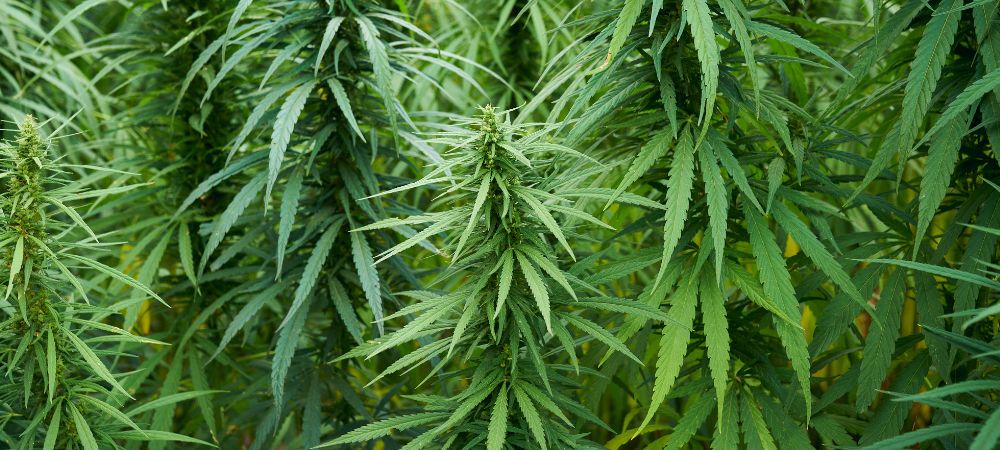
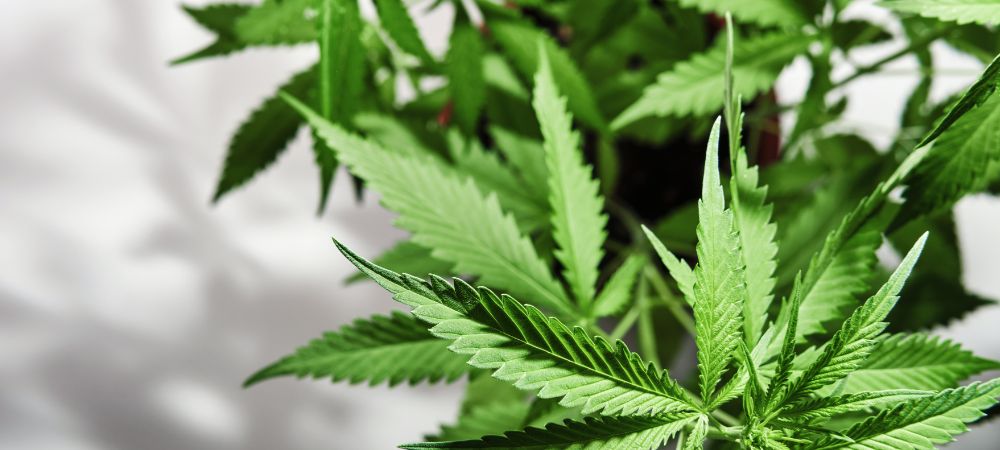
The leaves of a healthy plant should have a vibrant green color, indicative of active photosynthesis and good nutrition. The presence of spots, discolorations or abnormal texture could be a sign of stress or disease. Healthy, unblemished leaves are good indicators of health.
New shoot growth
New shoot growth implies that the plant has sufficient resources and energy to expand. Observing the regular development of new stems and leaves is a positive sign of health. Likewise, an appropriate increase in size and height, along with an increase in flower or fruit production on the plants that generate them, are positive signs to look for.
Roots
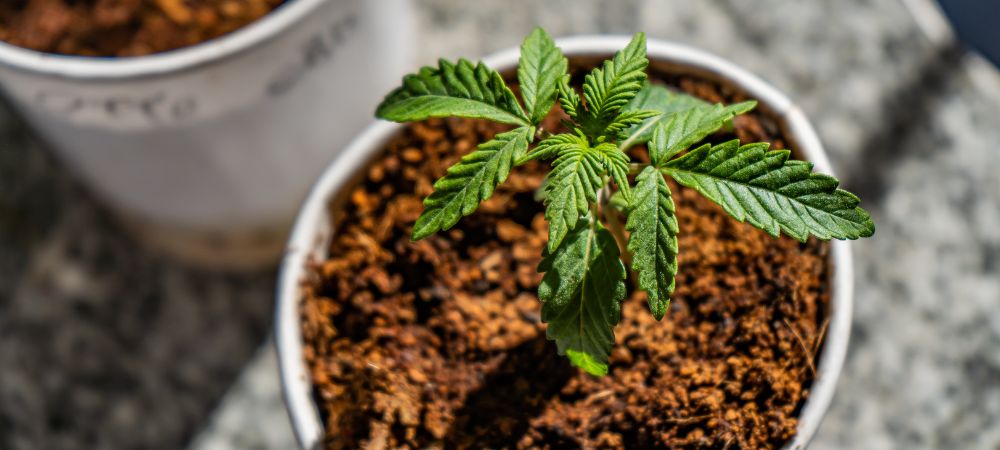
Determining the health of a plant involves evaluating several aspects that together reveal its overall condition. For example, root development is a key indicator because strong, healthy roots support the growth of the entire plant ; they should be firm and white or light in color. Whereas, black or muddy roots may indicate overwatering or possible disease.
Stem and branch firmness
The stem and branches need to be firm and able to support the weight of the plant without bending or breaking. Firmness indicates that the internal structure of the plant is strong and the plant is healthy.
Environmental factors affecting plant development
Environmental factors play a vital role in optimal plant growth. A proper environment that provides the correct light, moisture and nutrients is essential for optimal growth. Certain problems such as discolored, dry or wilted leaves can indicate deficiencies or excesses in these factors. Observing and recognizing these signs allows plant caretakers to take appropriate measures to maintain plant health, thus ensuring good long-term growth and development.
Adequate lighting
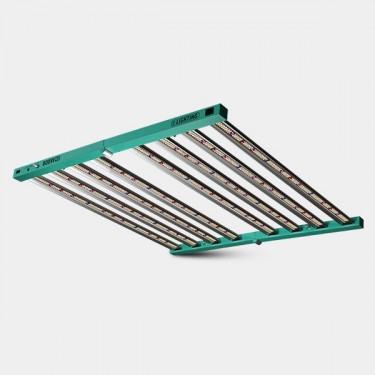
Proper lighting for plants is essential for photosynthesis, that is, it is necessary to perform the process by which plants convert light into energy. The amount and quality of light needed varies by species, but a general rule of thumb is that most plants require indirect light to thrive. Signs of insufficient lighting include stem elongation and pale or yellowing leaves.



Watering and drainage
Watering should be adjusted to the type of plant and the environment. Too much water can be as detrimental as too little, leading to root rot or the development of fungal diseases. Good drainage is vital to avoid these problems, allowing excess water to flow and not stagnate in the soil.
Soil quality and nutrition
Soil provides plants with essential nutrients for growth. A good quality soil should have the right balance of sand, clay and organic matter. In addition, it is important to consider fertilization to supplement those nutrients that may not be present in the required amounts. Slow growth, leaves with burned margins or unusual coloration may indicate nutritional imbalances.
Common issues and solutions
Recognizing and addressing issues that affect plants is crucial for their proper growth. Here are some common complications and their respective solutions to maintain plant health.
Pest control
Pests can seriously compromise the integrity of plants. Insects like aphids or spider mites often extract sap, weakening the plant. An effective solution is the application of pest control products or the introduction of natural enemies like ladybugs, which feed on these pests.
Plant diseases
Diseases can be detetcted thanks to cannabis leaf symptoms or root rot. Identifying the specific disease is fundamental to treat it properly, either with fungicides or by adjusting the growing conditions, such as humidity or ventilation.
Treating nutritional deficits
A nutritional deficit or excess causes symptoms like leaf discoloration or stunted growth. The solution involves providing the missing nutrients to the plant, often through fertilizers. For example, if the leaves exhibit chlorosis (yellowing), it could indicate an iron deficiency, corrected by applying iron chelate.
Why isn’t the plant flowering?
It’s crucial to remember that cannabis depends on light to flower. Unlike other plants, cannabis requires specific lighting conditions to produce enough florigen to complete its flowering cycle and thus reproduce its genetics. Normally, in natural conditions, cannabis doesn’t need to worry about its growth location. However, in cities and inhabited areas, light pollution can interfere with and even prevent the flowering of photodependent plants.
Why aren’t your cannabis plants growing?
Julius Von Sachs discovered florigen in 1865 after observing that by transferring sap from a flowering plant to one that was not flowering, the latter began and completed its flowering cycle, even being of a different species. This scientist is also recognized for his discovery of chloroplasts and how they produce sugars and where these are stored in plants.
This hormone is activated with changes in light hours or temperature, and sometimes by both factors. In the case of cannabis, its production depends on the hours of darkness. Florigen travels through the phloem, from the leaves to the flowers or the points where these will appear. Non-autoflowering cannabis (not Ruderalis) needs between 11 and 13 hours of darkness to produce enough florigen to flower, based on the level of sugars produced during photosynthesis. Any exposure to light, however brief, interrupts its florigen production to resume photosynthesis.
Sometimes plants do not flower because occasional light pollution can increase gibberellin levels and cause the appearance of male flowers, which can lead to cases of hermaphroditism. For this reason, the use of green light bulbs to observe plants at night is often recommended, as this color seems not to affect them as other colors do.
Identifying and correcting these problems can encourage a plant to develop the desired flowers. It’s a process of observation and adjustment to create the ideal growth conditions.




 Add as preferred source in Google