Personalized Attention +44 151 947 0713
 SHIPPING TO ALL

 9/10 Rating
 SALE TO MINORS PROHIBITED

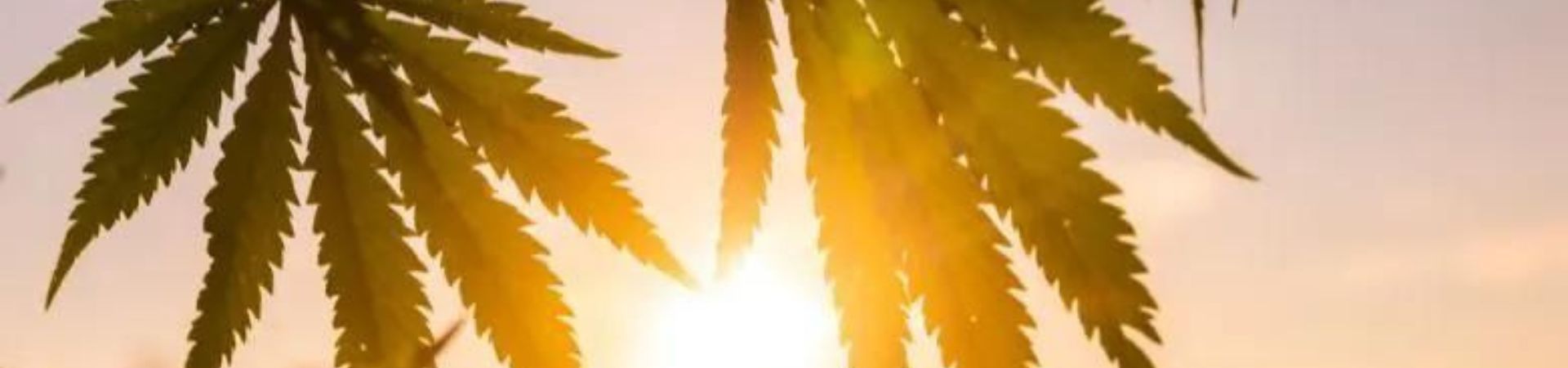
Choosing the right time to grow cannabis can significantly impact the final harvest outcome, particularly for outdoor cultivation. The optimal period, in theory, falls between March and May, encompassing the spring months in the northern hemisphere. However, numerous factors, with climate and latitude being a crucial determinant, must be considered to determine when growing weed plants outdoors.
As a rule, to ensure the proper growth of marijuana plants primarily involves providing the necessary hours of light, averaging around 12 hours. Naturally, not all regions witness the ideal warm weather, that’s why, in climates with more rainfall, lower temperatures, and less direct sunlight, the choice of seed and cultivation location is a crucial factor.
When to grow cannabis plants outdoors?
Best times for planting cannabis seeds, under suitable (Mediterranean or generally sunny with infrequent rainfall) conditions are as follows:
- Sativa cannabis plant: from March onward.
- Indica cannabis plant: from March, though some genetics may delay until June.
- Autoflowering cannabis plant: Anytime, as long as there’s no frost; however, more sunlight translates to better yields.
- For large and lush plants: March-April.
- For discreet, low-height plants: late May or early June, with indica dominance.
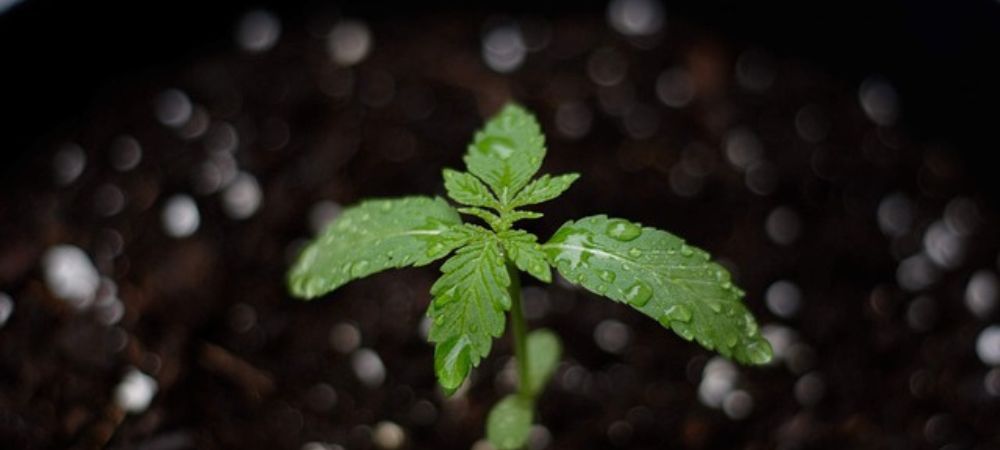
Marijuana plants, excluding autoflowers, enter the flowering stage when days lengthen and nights shorten. Further, early cultivation allows for larger plants, nevertheless it’s not advisable during excessively cold outdoor temperatures, as plants may struggle to endure.
Determining the best time to plant weed outdoors isn’t straightforward, as various factors, influenced by yearly climate variations and cultivation locations, must be considered.
Choosing the right seed
The selection of a marijuana strain can be influenced by numerous factors, with climate and cultivation purpose being paramount for efficient growth. Indeed, certain outdoor-specific cannabis seeds tend to perform better due to their resilience, superior qualities under sunlight, and open structure.
Seed type based on grower’s purpose:
Cannabis growers with limited space or a more exposed cultivation area often lean towards shorter and discreet plants. In such scenarios, one may choose indica seeds, known for their compact nature, and implement pruning and Low Stress Training (LST) techniques to avoid drawing attention. Additionally, delaying cultivation until late May or early July can restrict their growth.

Those who aim to maximize the potential of their chosen seeds, planted in March, will experience the recommended extended growth period, allowing for the development of truly formidable specimens.
Moreover, for a quick cultivation process, it is advisable to opt for autoflowering or fast version seeds. To discern which variety has the shortest life cycle, reputable seed banks provide all the necessary information.
If the goal is to obtain marijuana with potent psychoactive effects, indica seeds are the most suitable. On the other hand, sativas and those rich in CBD are renowned for their medicinal properties. In addition, for those seeking to savor distinctive organoleptic qualities, specific seeds such as Blue Dream, Sour Diesel, or Grape Ape should be sought out.

Blue Dream

Sour Diesel

Grape Cake CBD
Seed type based on climate:
- Cold and humid climates: For the common oceanic climate in northern Spain, where low temperatures and humidity prevail, suitable seeds include Northern Lights, White Widow, Afghan Kush, Skunk #1, and Haze.
- Warm climates: Ideal for most marijuana seeds, especially in warm Mediterranean climates. High-performing seeds include Amnesia Haze, Durban Poison, Pineapple Express, Girl Scout Cookies, and Gorilla Glue #4.
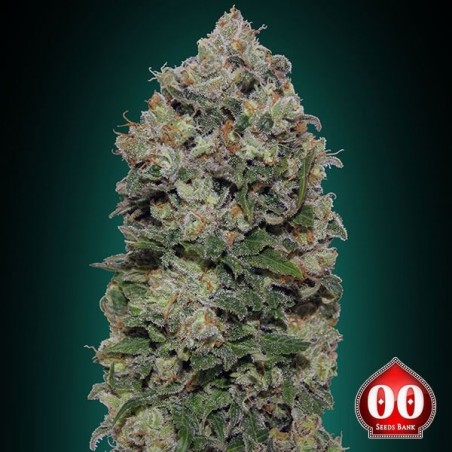
Northern Lights

White Widow

Gorilla Glue 4
Choosing the right soil
While growing in natural soil is a luxury afforded to a fortunate few, circumstances may dictate potted cultivation for protection against inclement weather. Whereas, the decision on when growing weed plants outdoors is crucial, but so is the choice of the location.
Cultivation in pots:
In the absence of the option to grow in natural soil, pots are the best alternative. Not to mention, in regions with repetitive rainfall or torrential precipitation that could damage plants, cultivation in pots allows for protection during continuous rain seasons or adverse weather conditions. Last but not least they are suitable for areas with excessive heat that could burn the plants.
Natural soil cultivation:
Preferable in most cases unless the soil quality is extremely poor.
Key factors for growing weed outdoors
Once the preceding decisions are made, cultivation proceeds conventionally. Depending on the climate, adhering to the following advice is essential:

Excessively warm climates:
- Use white pots to minimize heat absorption by roots.
- Increase watering sessions as temperatures rise.
- Monitor potential summer storms and protect plants from heavy rain, hail, and intense wind.
Cold and humid climates:
- Move plants to shelter during heavy or prolonged rain to prevent damage and excessive moisture accumulation.
- Employ preventive measures against mold.
- Ensure pots or marijuana plants receive maximum daily sunlight hours.
General tips for any cultivation environment:
- Address basic cannabis care aspects, whether cultivating outdoors or indoors: light hours, appropriate temperature, timely nutrients, and fertilizers.Do not compromise on protection; various pests, including spider mites, thrips, aphids, caterpillars, and mites, can jeopardize the crop. Use preventive measures against them.
- Take appropriate measures in case of heavy rain, strong winds, frost, hail, and drought.
As demonstrated above, the identification of optimal conditions for growing weed plants outdoors necessitates a comprehensive evaluation of geographical factors and grower’s preferences.