Personalized Attention +44 151 947 0713
 SHIPPING TO ALL

 9/10 Rating
 SALE TO MINORS PROHIBITED

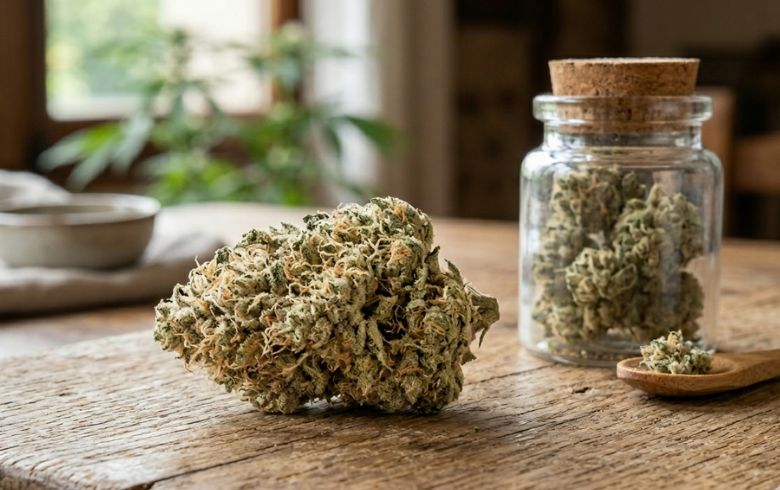
Genes determine the physical traits of living beings, as well as the behaviour of each individual. When talking about genetics, it is important to know the difference between genotype and phenotype, two concepts that are often confused. The aim is to understand how both heredity and environment influence the way living beings develop; the same is true for cannabis plants.
What is genotype?
The genotype is the genetic code of the cells in our organism. It is responsible for determining an individual characteristics. In fact, the origin of this word comes from Greek where “genos” refers to creation or birth and “typos” means mark; so it would be a birthmark. In other words, it is the hereditary content, made up of genes and genetic information that passses on from generation to generation.
What is phenotype?
The phenotype refers to the set of observable traits that arise as an genotype expression, activated by the environment. In fact, surroundings factors mark it, in some cases even silence it. It usually manifests itself on a physical and behavioural level. This word comes from Greek, where “phainein” means to show, so phenotype means the marks that are shown.
Difference between genotype and phenotype
- Genotype is unique, whereas the phenotype can be the same.
- The phenotype is the result that arises after the interaction of genotype and environment: environmental events can affect. This is the case with nutrition or disease. These factors decide which ones to show or silence.
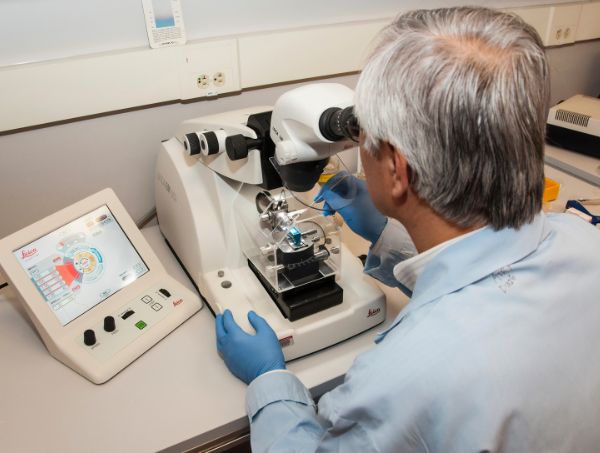
- Observation method. In order to know the genotype, different chemical tests such as paternity or DNA are usesful to find out the genetic constitution of the individual. This is because it is packaged in the form of DNA. On the other hand, you can recognise the phenotype simply by observation with the naked eye when decoded.
- The phenotype may vary during life, but not the genotype. Indeed, the genes a person has are the same from birth to death.
- The genotype is inherited and passed on. Being a combination of the parents genes, next generations can get it.
- The phenotype is moldable. It will change depending on the environment, but the genes can never change.
- The phenotype depends on the genotype, but not the other way around.
- Genotype and phenotype do not always match. This means that even if you have a gene you can be a carrier and pass it on to your offspring but not show it in the phenotype.
- Displayed Phenotypic traits may involve more than one gene, as is the case with certain traits in people such as eye colour.
Genotype and phenotype in cannabis plants
Often novice growers focus on the environment, thinking that it is the only factor that can affect. However, as mentioned above, the phenotype is the result of the interaction between genotype and environment. Therefore, often two plants with a similar environment do not show the same characteristics, due to genetics. For this reason, using quality cannabis seeds is crucial, which offer guarantee and security in their strains.
It’s important to know that no two genotypes are never 100% the same, even if you buy a batch of the same variety. Also, with the beginning of indoor crops, growers started to create hybrids that were genotyped intending to combine the best traits of indica and sativa strains.
Once this was achieved, the cannabis phenotypes characteristics displayed began to change, making it more difficult to determine what attributes the hybrid plant would give and the offspring plants could display.
How to find the right phenotype?
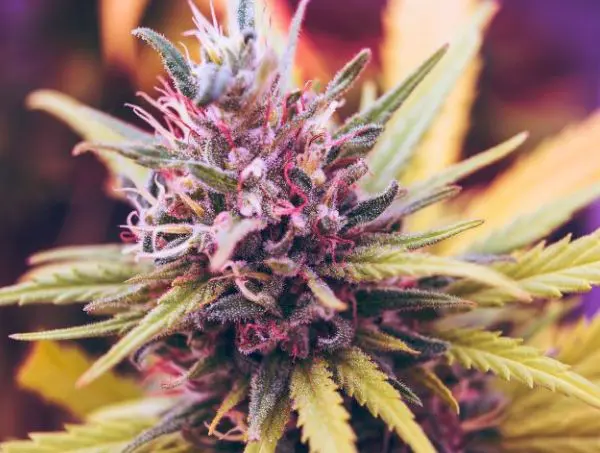
Many cannabis breeders and growers look at the phenotype to decide which genetic to cross. To do this, a “phenotype search” helps to quickly sift through the genetics and identify them. This method consists of sowing several different strains or many of the same variety, cultivating them and reproducing them by cuttings, with a focus on finding the best strains.
This process can be done with seeds from the mother plant, so as to search for the best phenotypes with a reduced range of variability. Once found, cuttings are continuously made. Or if preferred, crossing it with other types of cannabis seeds is another option, although this would increase the variability.
Nowadays breeders can use techniques to select and stabilise the desired traits with backcrossing techniques.
Having explained the difference between genotype and phenotype, it is easier to understand why both environmental factors and genetic make-up are important when growing cannabis plants. In this way different techniques will help to find the attributes you are looking for in a plant and be able to reproduce them, with methods such as phenotyping.