Personalized Attention +44 151 947 0713
 SHIPPING TO ALL

 9/10 Rating
 SALE TO MINORS PROHIBITED

Growing plants requires knowledge and dedication. Therefore, to obtain quality produce, knowing what not to do when planting can be as important as knowing what to do. Consequently, to avoid possible planting mistakes, we have gathered some of the most common ones below.
Importance of proper cultivation and care
Among some of the factors to consider are the following:
- A good substrate ensures that roots can develop properly.
- The quality of water can directly affect plant health.
- Avoiding common mistakes in watering and sun exposure can make a significant difference in the results.
Common planting mistakes
Among the things not to do when planting, the following common mistakes stand out:
Planting seeds without proper germination
Planting seeds without proper germination can lead to a low success rate in cultivation. The importance of proper germination lies in ensuring that seeds are viable and have a good start, which is crucial for the development of healthy plants.
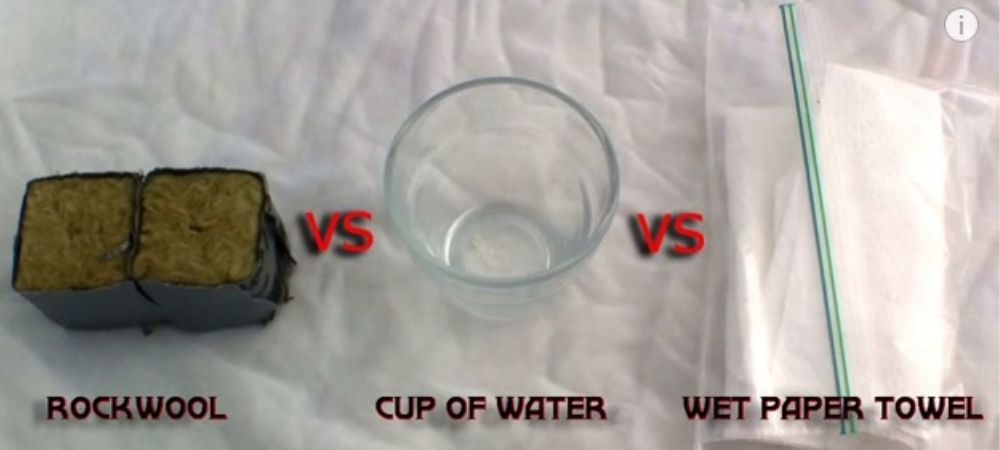
To evaluate seed viability before planting, there are several simple methods:
- Visual inspection: look for cannabis seeds that are plump and firm to the touch, avoiding those that are wrinkled or damaged.
- Germination test: place some seeds to germinate between damp paper towels and keep them in a warm place. If they germinate within a few days, they are viable.
Avoiding these planting mistakes ensures a better start for the plants, increasing the chances of success from day one.
Inadequate substrate selection
Selecting an inadequate substrate is one of the common planting mistakes that can have devastating consequences for your plants. An incorrect substrate can:
- Retain too much water, causing root rot.
- Not provide sufficient drainage, which suffocates the roots.
- Be too compact and hinder root growth.
- Lack the necessary nutrients for plant development.


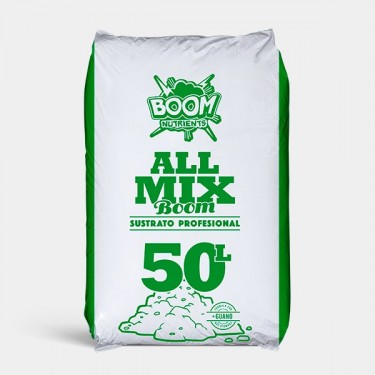
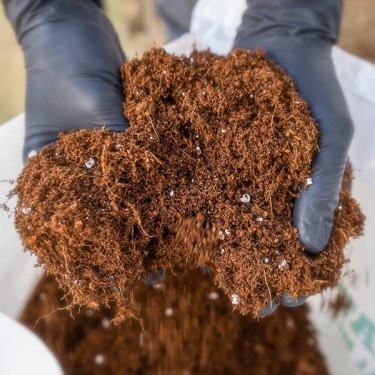
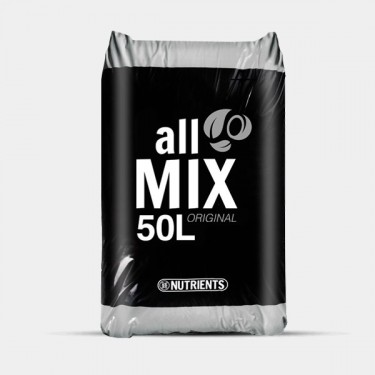
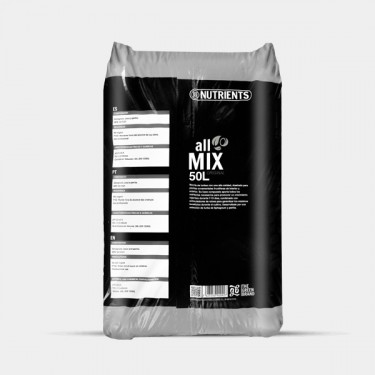
Importance of selecting the right substrate for plants
The right substrate acts as a solid base that supports the plants when planting, providing not only physical support but also the ideal nutrients and conditions for their growth. A good substrate:
- Facilitates proper water drainage.
- Allows good root oxygenation.
- Maintains a structure that favors root growth.
- Provides the necessary nutrients in the right amount.
Overwatering
Overwatering is one of the common planting mistakes that can seriously harm plant development. While it may seem that more water could be beneficial, too much water can actually cause numerous problems. Problems of overwatering in plant cultivation include:
- Root damage: roots need oxygen to function properly. Overwatering displaces air from the soil, depriving roots of the necessary oxygen and causing them to suffocate.
- Reduced plant growth and yield: when roots are damaged and cannot absorb nutrients effectively, it results in poor growth and lower production of flowers or fruits.
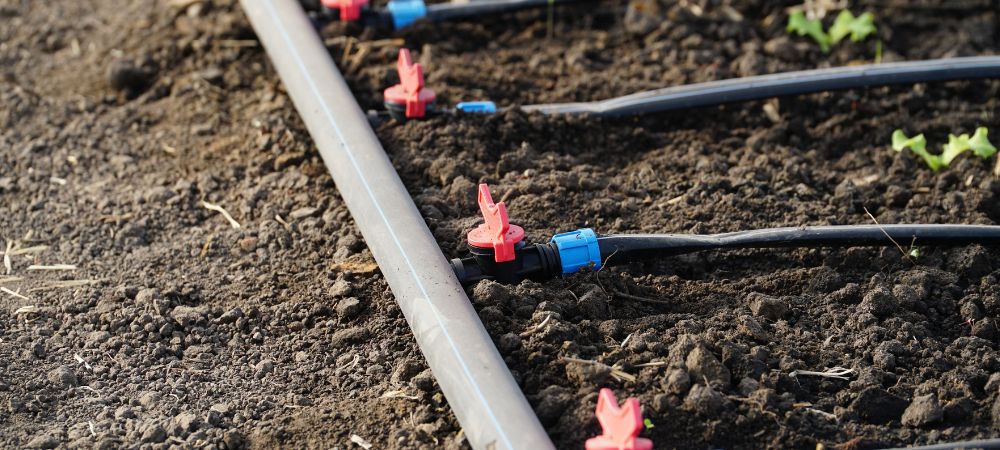
To avoid overwatering, the following characteristics should be considered:
- Know the plant’s needs.
- Check soil moisture before watering.
- Use pots with good drainage, with holes to allow excess water to escape easily.
Inadequate sunlight exposure
Among the common planting mistakes is inadequate sunlight exposure for young plants, which are particularly sensitive to excessive sunlight, leading to several serious problems if not managed properly. Risks of excess heat for young plants include:
- It can cause leaf burns, making them dry out.
- Dehydration and heat stress.
To control sunlight exposure, materials such as shade nets should be used to allow plants to receive indirect light and provide adequate watering, placing pots in an area where they receive the necessary light.
Water quality
Water quality is crucial for successful plant cultivation. Using poor-quality water can have serious consequences for the development and health of your plants, directly affecting their growth and yield. Dissolved elements such as salts, chlorine, heavy metals, and other contaminants can:
- Alter the pH of the substrate.
- Reduce the absorption of essential nutrients.
- Cause toxicity in the roots.
Risks associated with using poor quality water
Using contaminated water or with an improper chemical balance can result in several problems:
- Poor development: plants may show signs of water stress, even if watered regularly.
- Toxicity: the accumulation of certain minerals or heavy metals can be toxic to plants.
- pH issues: a pH outside the optimal range (generally between 5.5 and 6.5) can hinder nutrient absorption.
To ensure plants receive quality water, the following tips should be considered:
- Filter the water: use activated carbon filters or reverse osmosis systems to remove contaminants.
- Testregularly:conduct periodic water analyses to monitor pH levels and presence of contaminants.
- Adjust pH: use specific solutions to adjust the water pH according to the plant’s needs.
- Avoid dubious sources: do not use water directly from rivers, lakes, or wells without ensuring its purity.
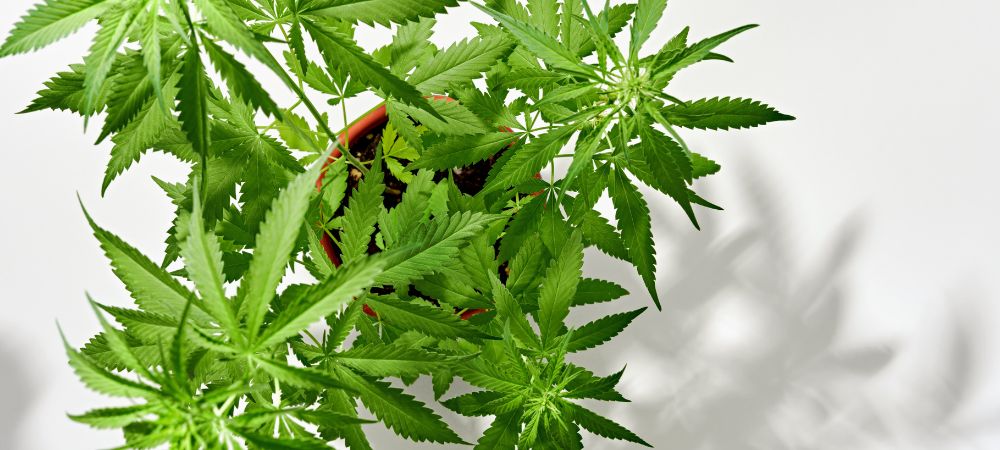
Choosing the right pots for growing
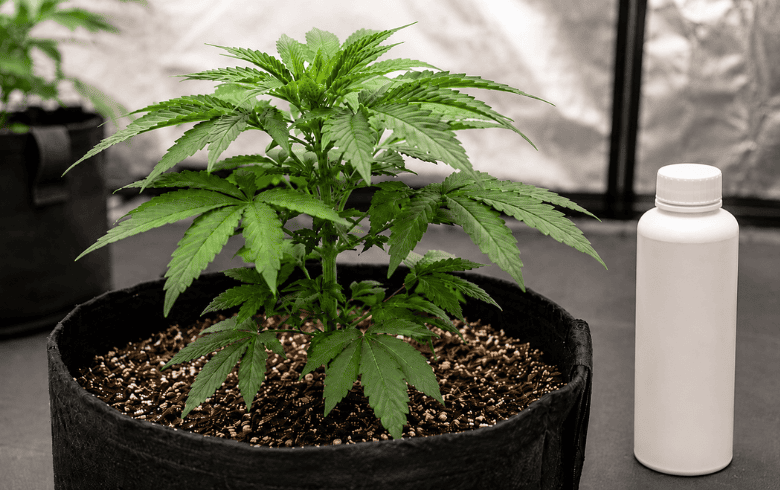
The proper selection of pots for cultivation is crucial to avoid root stress and promote healthy growth. Roots need enough space to expand and oxygenate properly. Pots that are too small can restrict this development, causing plants to stress and reducing their overall yield. Some recommendations for selecting the right pots:
- Appropriate size: ensure the pot is large enough for the mature plant. A basic rule is to choose a pot with a minimum volume of 10 liters for medium to large plants.
- Pot material: opt for materials that allow good aeration and drainage, such as terracotta or fabric pots. These options help prevent water accumulation and root rot.
- Pot color: avoid dark-colored pots if you are growing outdoors, as they can increase the substrate temperature and cause heat stress in the roots. Light colors that reflect sunlight are preferred.
- Drainage: ensure the pot has enough drainage holes at the base. Excess water should be able to escape easily to prevent waterlogging and associated problems.
By following these recommendations and avoiding these planting mistakes, you can ensure an optimal environment for root development, thus improving the overall health and yield of your plants.



 Add as preferred source in Google