Personalized Attention +44 151 947 0713
 SHIPPING TO ALL

 9/10 Rating
 SALE TO MINORS PROHIBITED

Figuring out the right microdosing psilocybin dosage can seem more complicated than it actually is. Especially at the beginning, when the goal isn’t a full-blown psychedelic trip, but a subtle boost: more clarity, emotional stability, or a mild sense of connection to your surroundings. But still… how much is “just enough” and how much is “too much”?
The truth is, there’s no universal number, and that can create confusion (or even anxiety). Every body reacts differently, and in this space, the most important thing is to go slowly, listen to yourself, and adjust as needed. In this article, we’ll explore the key factors to consider, how to start safely, and what signs suggest you’re on the right track. It’s important to emphasize that these substances are not for human consumption and should only be handled for mycological or scientific research under proper legal regulations.
What is a microdose?
A microdose of psilocybin is a very small amount of a psychedelic substance—low enough to avoid noticeable hallucinations, but enough to influence mood, energy, or focus.
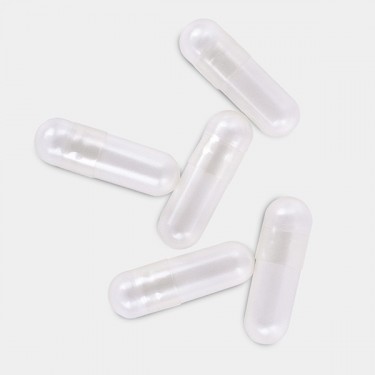
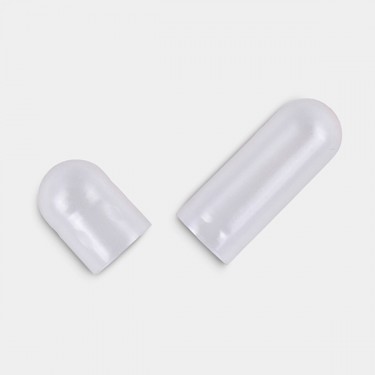
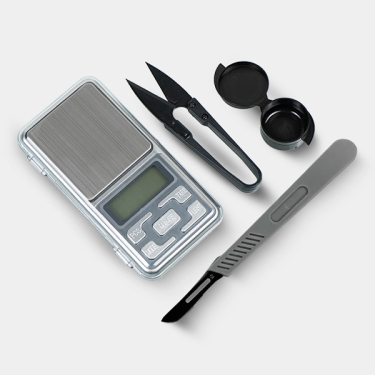
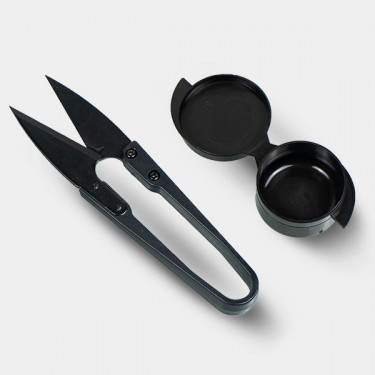
In the case of psilocybin, a microdose typically ranges from 5% to 10% of a standard recreational dose. For example, if a full dose of dried psilocybin mushrooms is about 2 grams, then a microdose would be around 0.1 to 0.3 grams. However, these values can vary depending on the mushroom species, individual sensitivity, and the user’s goal.
The aim is clear: to experience subtle cognitive or emotional benefits without disrupting daily life. In other words, this is not about a deep psychedelic journey.

Factors that affect the optimal dosage
The ideal microdosing psilocybin dosage isn’t a one-size-fits-all number. Several factors can make what’s perfect for one person too much or too little for another. That’s why understanding what plays a role in determining your dose is so important.
- Body weight. In general, people with more body mass may need slightly more to feel subtle effects—although this isn’t always the case.
- Individual sensitivity plays a major role: some individuals are very responsive to even the smallest doses, while others barely feel any change.
- Previous psychedelic exposure. If someone has used psychedelics recently or frequently, their nervous system might respond differently.
- Emotional and physical state on a given day can greatly influence how the effects are felt. Stress or poor sleep can alter perception and response.
- The variety of truffle or mushroom used also matters, as different species contain varying levels of psilocybin. If working with dried material, dehydration also affects the final dosage.
In short, there’s no single answer. The best dose is the one you discover by carefully observing your body, emotions, and reactions. Making small adjustments over time—and keeping a journal, if helpful—can make the difference between a confusing experience and a truly transformative one.
Reference ranges by psilocybin type
In scientific research settings, it’s important to understand the different reference ranges for psilocybin-containing substances. Since these compounds are not approved for human consumption and must be handled only in controlled studies, the table below provides a theoretical comparison of how doses vary based on material type (mushrooms, truffles, or encapsulated psilocybin) and their properties. This is essential for understanding the potency, variability, and characteristics of each psilocybin form, always within a regulated and secure framework.
| Characteristic | Psychedelic Mushrooms | Magic Truffles | Capsules |
|---|---|---|---|
| Active Compounds | Psilocybin, psilocin, baeocystin | Psilocybin, psilocin, baeocystin | Standardized pure psilocybin (1 – 5 mg per capsule) |
| Optimal Microdosing Range | 0.1 – 0.2 g dried mushrooms | 0.5 – 1 g fresh truffles | 1 – 5 mg pure psilocybin |
| Ease of Dosing | Medium to low: must be weighed | Medium: must be weighed | High: standardized dose |
| Experience | More intense and introspective | Mild and lightly euphoric | Neutral |
How often should you take a microdose?
One of the most common questions when starting out with microdosing psilocybin is how often you should take a microdose. There’s no single answer, but several approaches can help you find the schedule that works best for you.
- The most well-known is the Fadiman Protocol, which suggests taking a microdose every third day (e.g., Monday, Thursday, and Sunday). Why the rest days? They help you observe residual effects without overloading your system or building tolerance. Many people report benefits not only on dosing days but also on the following day.
- Another option is the Stamets Protocol, which involves four consecutive days of microdosing followed by three days off. It’s more intensive, and not everyone responds well to it.
- Some individuals prefer an intuitive approach, adjusting frequency based on mood, workload, or sensitivity. The key is to avoid falling into automatic habits: microdosing should remain a conscious tool, not a mindless routine.
In any case, it’s recommended to take regular breaks. A one- or two-week pause after a month of microdosing can help reset your tolerance and assess whether real changes are happening.
How to find your ideal microdosing dose
Finding your ideal microdosing psilocybin dose doesn’t happen overnight. It requires patience, observation, and most importantly—honesty. It’s not about “feeling something strong” or chasing quick results. In fact, if the effects feel too intense, you’re likely taking too much.
A highly recommended method is the gradual approach: start with a very low amount (e.g., 0.1 g of dried truffle) and monitor how you feel throughout the day. If you notice nothing—positive or negative—you can slightly increase the next time. Always allow at least one or two rest days between doses.
Keeping a microdosing journal can be extremely helpful. Track your sleep, mood, focus, anxiety levels, creativity… You don’t have to obsess over every detail, but these notes offer valuable insight over time.
And one important note: trust your own experience more than anyone else’s. What works for someone else may not work for you. Microdosing psilocybin is less about following an exact formula and more about learning to listen to yourself with attention and respect.

Signs your dose might be off
When we talk about microdosing psilocybin doses, it’s easy to think “less is always better,” or that “if I feel nothing, I need more.” But the truth is, finding the sweet spot takes attention, listening, and patience.
How can you tell if you’re taking too much or too little? Here are a few signs to help you adjust:
- If you experience clear psychedelic effects—like visual distortions, racing thoughts, or trouble focusing—your dose is likely too high. A proper microdose should not disrupt your daily routine.
- If you notice no change at all after several doses—in mood, energy, creativity, or focus—you might be underdosing. But don’t rush to increase: make sure you’re tracking your experience and giving it time to notice subtle shifts.
- Listen to your body. If you’re feeling ongoing side effects like headaches, irritability, fatigue, or sleep issues, your dose might not be right—or you may need to space out your sessions more.
- If you feel dependent—like you need it to function or feel good—it’s time to pause. Microdosing should be an occasional support, not a permanent crutch.
Warnings and precautions when microdosing

Although microdosing psilocybin is often associated with mild, manageable experiences, that doesn’t mean it’s risk-free. And we’re not just talking about legal issues—there are also personal, psychological, and contextual factors you should seriously consider before getting started.
To begin with, not everyone should microdose. People with a history of psychotic disorders, schizophrenia, or bipolar disorder should avoid psychedelics altogether, even in tiny amounts. Subtle neurochemical shifts can still act as triggers. The same goes for individuals going through emotional crises or those on certain medications—especially SSRIs or anxiolytics.
It’s also risky to start without proper information or guidance. Microdosing is sometimes seen as a “magic fix” for mood or productivity, but it’s no shortcut—and definitely not a replacement for real therapeutic work. If you’re seeking to treat something specific (like anxiety, depression, or creative blocks), consider seeking professional support, or at least establish a mindful and structured approach.
Finally, overuse or lack of structure can backfire: mental overload, insomnia, irritability, or diminished sensitivity to psilocybin. That’s why it’s crucial to respect rest days, avoid increasing your dose unnecessarily, and not turn microdosing into a mechanical routine.



 Add as preferred source in Google