Personalized Attention +44 151 947 0713
 SHIPPING TO ALL

 9/10 Rating
 SALE TO MINORS PROHIBITED

Plants have been used for thousands of years for different reasons and purposes. Some cultures have employed them for religious rituals, while others simply utilized them as a source of nutrients and diverse materials to make clothes, fibers and even rope. One example is cannabis, a species that can be found in our online Grow Shop with a therapeutic background thanks to its beneficial cannabinoids such as CBD.
So, in order to expand our readers’ knowledge about botany, we’ve written this article to discover the magic of nature and more specifically the natural benefits and properties of Salvia Divinorum.
What is Salvia Divinorum?
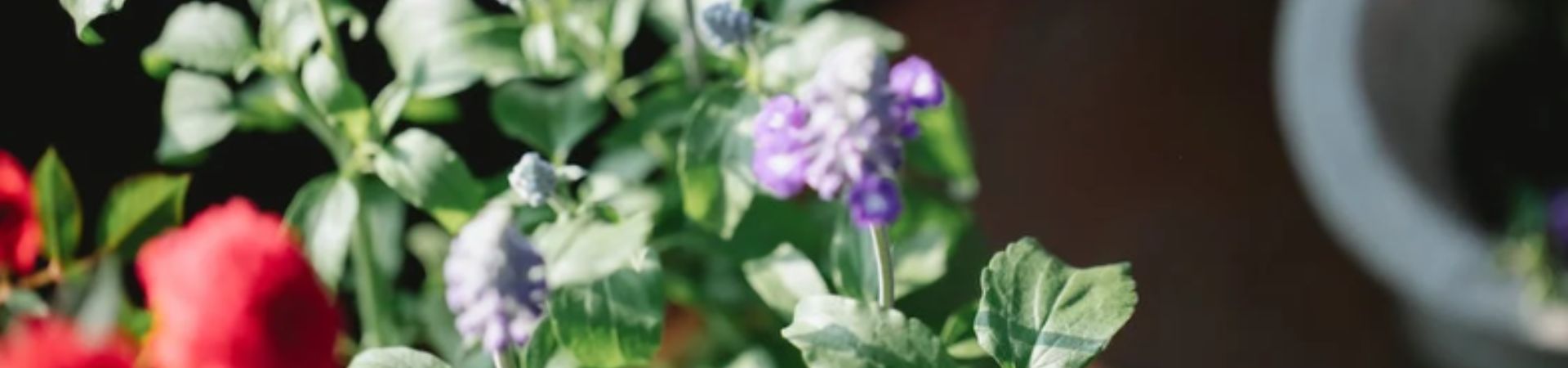
Salvia Divinorum is a plant species in the mint family with transient psychoactive properties when its leaves or leaf extracts are consumed by smoking, chewing, or drinking. This species is native to the Sierra Mazateca in Oaxaca, Mexico, where it has been used for centuries in shamanic rituals in the context of curing or divination.
The active constituent of this plant is the trans-neoclerodane diterpenoid salvinorin A, which is the most potent hallucinogen found in nature. In addition, in regards to its appearance, this plant has large green ovate leaves with yellow undertones and is able to grow over a meter (3 ft) in height.
Different ways to call the Salvia Divinorum
The main name of this plant, Salvia divinorum, comes from Latin and it means ‘sage of the diviners’, probably due to its common use in religious and ceremonial rituals by shamans.
However, there are many other names to refer to this specific species such as ‘ska maría pastora’, ‘seer’s sage’, ‘yerba de la pastora’, ‘magic ming’ or just ‘salvia’ among others.
How is Salvia Divinorum used
We’ve already seen some of the ways in which this plant can be consumed, still, here is a brief list of all the different possibilities to use salvia:
- Directly ingesting fresh, raw leaves
- Drinking the leaves infused with tea
- Chewing and swallowing them
- Smoking the leaves
- Administering them in tinctures just like CBD oil
Please note that depending on the method used, the active principle of this plant will be absorbed faster than in others, and the effects will also be different. We’re not encouraging nor promoting the use of this plant, this article is purely informative.
Effects of consuming Salvia Divinorum

As many other psychedelic substances, the Salvia divinorum consumption may provide some effects that are important to know. Some say that when consuming salvia feels like practicing yoga or meditation. However, the most common effects are:
- Visual distorsions
- Improved mood
- Distortion of time and space
- Loss of contact with reality
Despite there are no current known medical uses, researchers are still investigating the possible use of this species in dementia or Alzheimer’s disease treatments.
Possible risks
It may seem that all the effects we’ve seen above are inoffensive and even funny, but you should know that consuming this plant may have a negative impact on your health. Some of the most common side effects are:
- Nausea
- Dizziness
- Confussion
- Tiredness
- Loss of memory
- Loss of contact with reality
- Near-death experiences

Remember that all drugs have their harmful impact on our bodies, that’s why you should never try any of these psychedelic substances under any conditions. If you do so, please contact your family healthcare provider.
Legal Status
As expected, many countries in the world restrict the use of Salvia divinorum in some manner as if it was a scheduled substance. Then, with the date of publication of this post (July 2023), this plant remains illegal in Australia, Belgium, Canada, Croatia, Czech Republic, Denmark, Germany or Hong Kong, among others.
However, it is legal to possess and grow in Chile, France and Spain, but not to sell. Lastly, it is used as a prescribed medicinal herb in Estonia, Finland, Iceland and Norway.
As we’ve previously mentioned above, medical researchers are still testing the possible use of the Salvia Divinorum as a medicine for different dementia treatments for Alzheimer’s disease. Hopefully, we’ll soon know the results of the potent beneficial properties that this plant has already provided to thousands of patients in Estonia, Finland, Iceland or Norway.