Personalized Attention +44 151 947 0713
 SHIPPING TO ALL

 9/10 Rating
 SALE TO MINORS PROHIBITED
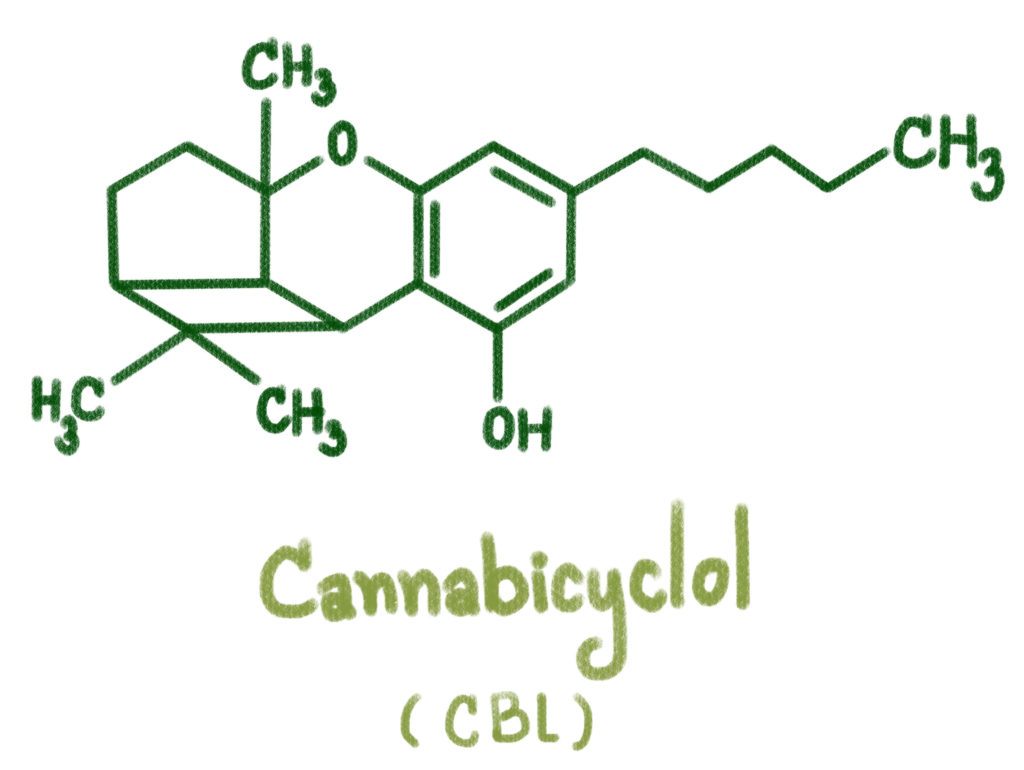
What is cannabicyclol (CBL)? In this post, we’ll explain what CBL is—one of the lesser-known cannabinoids. Currently, there is very little information available about this substance, as the scientific community does not consider it significant enough to warrant further research.
However, we can say that it may have significant potential in the so-called entourage effect—that is, CBL may become relevant as a cannabinoid when it works in synergy with the plant’s other cannabinoids. The entourage effect, although popularized by Ethan B. Russo, was coined by Dr. Mechoulam, who stated that cannabis compounds work better together than separately. If you’re interested in learning a little more about this cannabinoid, keep reading about its synthesis.
Cannabicyclol Synthesis
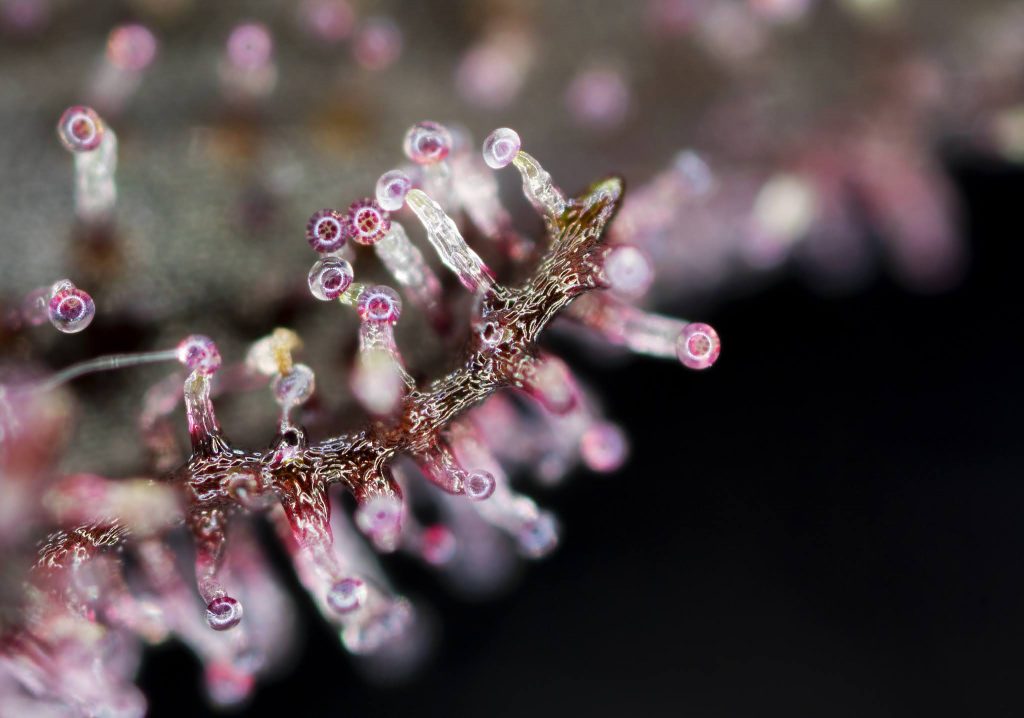
Cannabicyclol, or CBL, is a degradative cannabinoid, meaning that it develops from other cannabinoids. More specifically, it is produced when the cannabinoid CBC is exposed to UV light or oxygen. As a result, CBL is generally formed after harvest, although it can also be found in small quantities within living trichomes. Like other cannabinoids, it must undergo a decarboxylation process, converting from its acidic form (CBLA) into its active form (CBL). In the case of this particular cannabinoid, the process is especially complex.
Although it can be found in many varieties—particularly those with higher CBC content—the amount of CBL present in cannabis plants is extremely limited. Both CBC and CBL occur in very small concentrations, but CBL is even rarer. This makes it what is known as a minor cannabinoid.
CBL shares the same molecular formula as many other phytocannabinoids, including THC and CBD: C21H30O2. However, slight differences in the arrangement of its atoms, along with the absence of a double bond, are what make this cannabinoid unique. In fact, this missing double bond is the main difference between CBL and THC. The double bond in THC’s molecular structure is responsible for its psychoactive effects, so its absence in CBL makes it a non-psychoactive compound.
Therapeutic Properties of CBL
CBL studies about its benefits are very limited because it is a very scarce cannabinoid.
Some labs like Sleep Hill have shown some promising conclusions regarding anti-inflammatory and anti-tumor effects of CBL.
The scientific community is very sceptic about those studies and reckons that more research should be done.
As a non-psychotropic cannabinoid, it is believed that its effects would be similar to CBD so some cannabicyclol properties could be deduced:
- Appetite stimulant
- Sleep Aid
- Pain killer
- Anxiety treatment
- Anti-inflammatory
- Nausea and vomit relieve
- Anticonvulsant
- Tumor growth prevention
CBL, the least researched cannabinoid
While there is hope that investigations advance towards finding out more about the possible benefits of CBL, it is unlikely for them to take place in the near future. There are other more abundant cannabinoids with greater potential that are more appealing to the scientific community.
What effects does cannabicyclol produce?
Lack of research means there is little knowledge about possible therapeutic benefits and not much information about the effects in the human body.
There was a study trial performed in rabbits in 1976.
First they gave the animals 1mg/kg and that dose didn’t produce any effects. Later on they administered 8mg/kg and that dose produced seizures and resulted in the death of one of the rabbits.
However, this study was too small and couldn’t offer any conclusions. As a matter of fact, some experts believe that CBL effects aren’t harmful at all.
CBL rich Strains
No cannabis varieties particularly rich in CBL have been identified to date. In fact, it is an extremely rare cannabinoid across all varieties that have been studied. However, the discovery of a cannabis sample dating back to 2700 BC has confirmed the long-term stability of CBL within cannabis plants. In fact, it could be said that the concentration of this cannabinoid increases over time.
The cannabis sample in question was discovered in the tomb of a shaman in western China and was found to contain higher levels of CBL and CBC than THC and CBD. Interestingly, the arid climate, alkaline soil conditions, and the depth of the tomb were the key factors that helped preserve the cannabis sample in remarkably good condition for thousands of years.



 Add as preferred source in Google