Personalized attention +34 96 206 62 98
 Free shipping to Iberian Peninsula from 30€
 9/10 Rating
 Discreet shipping


Polyphenols are chemical substances filled with antioxidant properties that generate various positive physiological effects on the health of our plants and other organisms. Characterized by being composed of more than one phenol group of molecules, they are usually divided into hydrolyzable tannins and phenylpropanoids, among which flavonoids, lignin, and condensed tannins stand out.
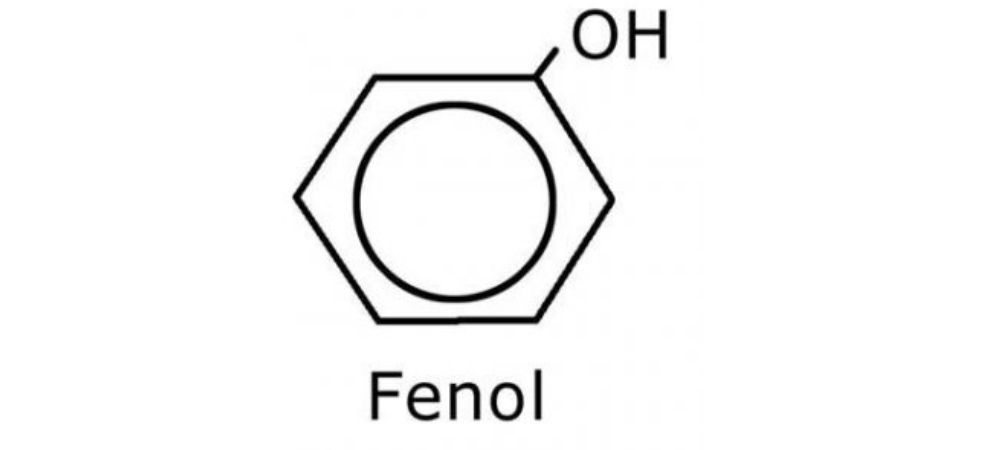
More precisely, these heterogeneous molecular groups are structured from multiple benzene groups, which are supplied by hydroxyl functions. Due to the health benefits they provide to organisms, polyphenols are considered a highly valuable natural product in traditional medicine. Within its main subdivision, hydrolyzable tannins can be associated with glucose gallic acid esters and various sugars; and phenylpropanoids with flavonoids, condensed tannins, and lignin.
Where are polyphenols usually found?
They are mainly found in plant-based foods such as plants, vegetables, fruits, chocolate, and wine, among others. Due to their antioxidant function, they can neutralize free radicals that aim to damage cells and, consequently, reduce the occurrence of heart diseases and others such as cancer and diabetes. Currently, according to various scientific studies, more than 8,000 types of polyphenols have been identified. They can also be categorized into flavonoids, phenolic acids, polyphenolic amides, and other polyphenols.
As biosynthesized compounds, polyphenols are specific to certain foods and plants. Their formation depends on multiple environmental factors such as preservation, maturity, and light. Also, on agronomic factors such as production, transport, storage, preparation, and type of cultivation. Exposure to light is one of the most crucial factors when specifying the type and number of polyphenols in the content.
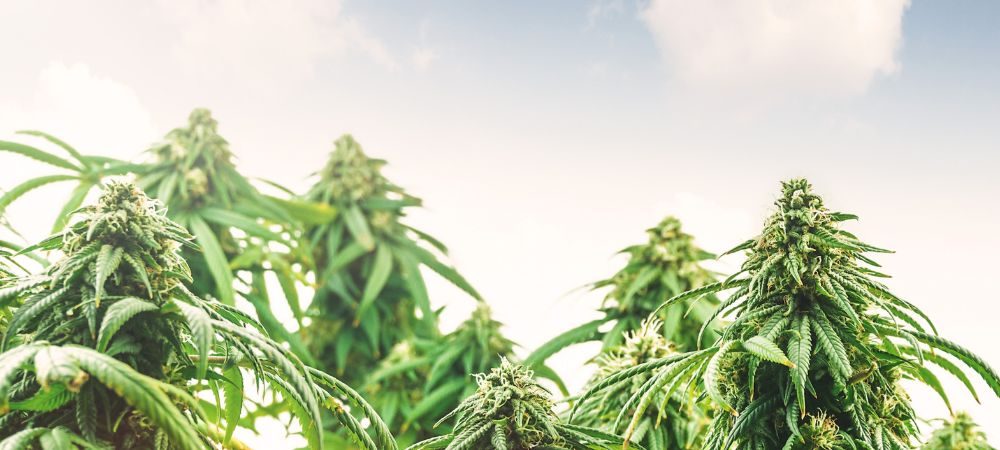
In a cannabis context, polyphenols are groups of secondary metabolites that make up flavonoids, whose function—as phytonutrients—is to provide pigmentation to plants to attract pollinators and help protect plants against pests, diseases, or other potential damage.
What are the main benefits of polyphenols?
Recent Western dietary trends have promoted the consumption of vegetables, with the clear objective of reducing the occurrence of various diseases such as atherosclerosis, diabetes, heart disease, and cancer. Through this emerging healthy and “green” lifestyle, the beneficial work of polyphenols has become a primary focus of study by the scientific community.
Their main function, as a disease prevention element, is to create metabolites that perform antioxidant activity within organisms. Cardiovascularly, their effects include vasodilatory, antithrombotic, antilipemic, antiatherosclerotic, antiapoptotic, and anti-inflammatory effects. Additionally, they can also contribute to increased longevity and the fight against cancer, neurodegeneration, and diabetes.
Despite the scarcity of studies on the relationship of polyphenols (like flavonoids) with cannabis, it can be established that their diversity is directly related to the type of cultivation and the plant’s genetics. Thus, different organoleptic characteristics such as aromatic, chromatic, and taste intensity of specific plants can be associated with the presence of flavonoids in them. Additionally, Cannaflavin A, B, and C flavonoids, as well as quercetin, kaempferol, and orientin, possess various antioxidant, anti-inflammatory, and antifungal properties, which can even be more effective than aspirin itself.
These are the main medicinal properties of polyphenols
- Antioxidants
- Anti-inflammatory
- Antibacterial
- Antiplatelet aggregation
- Antithrombotic
- Antiradical
- Antimutagenic
- Antiatherogenic
- Antilipemic
- Antiatherosclerotic
- Antiapoptotic
Main types and classifications of polyphenols
There are different classes and subclasses of polyphenols according to the number of phenolic rings they possess, as well as other specific elements. Polyphenols, as simple units derived from plant metabolites of the shikimic acid pathway, are subdivided into flavonoids, tannins, and lignins.
- Flavonoids are natural pigments that protect the body from various oxidizing agents.
- Tannins are phenolic compounds known for their anti-inflammatory and astringent activity.
- Lignins are organic polymers that provide rigidity to cell walls and help defend against microorganisms.
They are also commonly divided into flavonoids and non-flavonoids. The former is composed of two aromatic rings joined by a three-carbon and one-oxygen heterocycle.
Currently, more than 5,000 flavonoid compounds have been detected in the plant kingdom, and their subdivision is as follows: flavanols, flavones, flavanones, anthocyanidins, and isoflavones. Non-flavonoids are composed of monophenolic alcohols, phenolic acids, and stilbenes.
By type and number of phenolic subcomponents
- Phenol: lignins derived from coumaric acid and kaempferol.
- Pyrocatechol: quercetin, catechin, and lignins.
- Pyrogallol: tannins, lignins, myricetin, and galocatechins.
- Resorcinol: resveratrol.
- Phloroglucinol: most flavonoids.
- Hydroquinone: arbutin.

The role of polyphenols in cannabis
To understand the link between polyphenols and marijuana, the term flavonoid must be revisited. This group of polyphenolic compounds is responsible for the pigmentation of marijuana, due to its function as a secondary metabolite. Different flavonoids can be found: cannflavin A, B, and C, quercetin, luteolin, orientin, vitexin, paigenin, isovitexin, and kaempferol, among others.
It is estimated that the leaves and flowers of cannabis can contain up to 2.5% flavonoids in their dry weight, while in the roots and cannabis seeds it is almost negligible. Furthermore, flavonoids also work in coloring the cannabis plant, acting as protectors of the organism against potential fungi, pests, and ultraviolet rays.
[ppgbo products=”8747,7811,2313″ language=”en”]
Other plants with significant polyphenol content include ginseng, grape, eucalyptus, tangerine, lemon, orange, rosemary, oats, calendula, agrimony, devil’s claw, ginkgo biloba, or cat’s tail, among others.
The plant’s first aid kit
Like a first aid kit, the presence and work of polyphenols can be associated with the most important characteristics of the cannabis plant. As explained, there are still many more exhaustive and detailed studies on their effects and properties to be conducted. However, we can confidently assert their value as responsible for the plant’s pigmentation, as well as their antioxidant and anti-inflammatory properties.
We have a world to discover in front of us. But every day, we are more aware and informed about all the components, elements, and technical aspects that make up our cannabis passion.





 Add as a preferred source on Google