Personalized Attention +44 151 947 0713
 SHIPPING TO ALL

 9/10 Rating
 SALE TO MINORS PROHIBITED
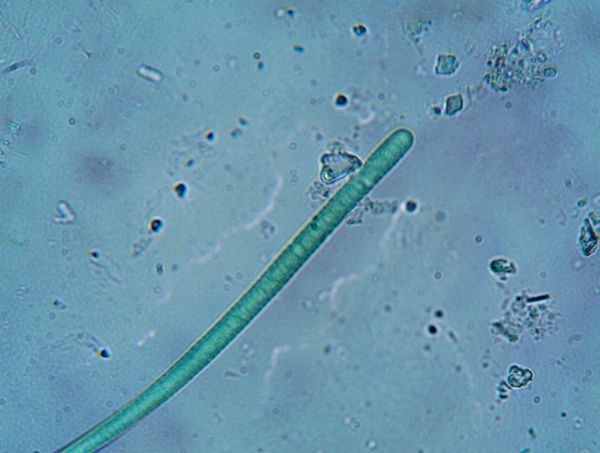
These microscopic creatures are one of the less known plagues, despite the fact that we can often find them in different plants or animals. It’s a tiny animal present everywhere but only visible with a microscope, even so it can cause big damages. Let’s discover in this post what nematodes in plants are.
What are nematodes?
They are invertebrate roundworms and can adapt to any habitat. This specie attacks the roots and the underground parts of the plants. Usually, nematodes feed themselves with mushrooms, bacteria and vegetable cells which helps the plant to grow.
It’s said that nematodes are characterised by their infectious capacity, the productivity’s reduction and some stomach diseases in animals.
Nematodes characteristics:
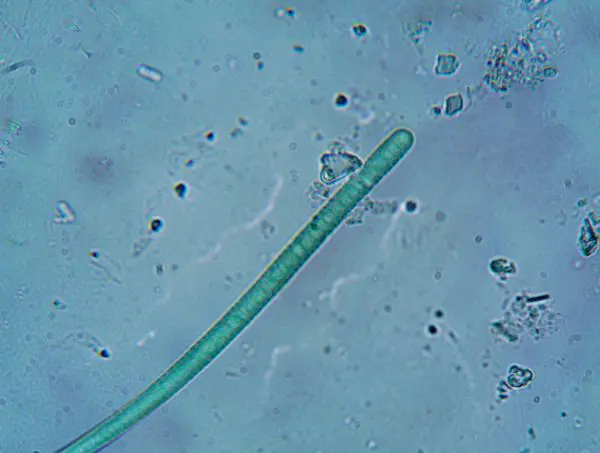
Even if most of them can only be seen with a microscope, they show features which helps to recognize and distinguish them.
- Big variety of habitats: you can find them in arid and humid zones, resisting extreme temperatures. Their ability to adapt to so different environmental conditions is impressive; being able to develop under zero temperatures, very salty zones, in fresh water or even in deserts.
- Various sizes: some can be just a few millimetres long, and others can go up to half a metre.
- Various feeding methods: these include blood aspiration or absorption of destroyed tissues and nutrients that are located both in the sap and in different body fluids.
Nematodes: beneficial or harmful?
There are about 25,000 species of nematodes, including examples such as the roundworm and the leaf nematode. About half of them are parasites on plants and insects, and can even devastate the entire crop. Among those that affect cannabis cultivation, there are 5 types of nematodes that attack the roots and one stem nematode.
On the other hand, there are the nematodes considered “good”, which seek out and destroy some of the pests that affect cannabis; being beneficial for more than 200 cases, including fleas, termites and Japanese beetles. In addition, they also kill the larvae of these pests.
Identifying nematodes on plants
Symptoms vary according to the type of nematode. In the case of nematodes attacking the roots, the plant starts to look yellowish, wilted and stunted, resulting in much lower yields. This symptomatology can be a problem to detect, as the symptoms are reminiscent of those caused by viruses or nutritional deficiencies.
To check for nematodes, one of the infected plants should be carefully lifted and the roots washed. If nematodes are to blame, you’ll observe small sores or wounds, with injured root tips or excessive branching of the roots.
In the case of nematodes attacking the stem, it will swell, showing signs of chlorosis, i.e. the green parts will turn yellow. In the worst case, they may twist, shortening the internodal distance and stunting growth.
How to combat nematodes on cannabis plants?
The best treatment for nematodes is prevention. Although there are insecticides such as Soil Care by Boom Nutrients that kill them; it is advisable to prevent them, as in some cases these products can destroy beneficial microorganisms found in the rhizosphere of the plant. To do this, using fresh substrate is a better option along with taking care of the bacteria by avoiding mineral fertilisers so oxygenate the water and ensure a balanced wet-dry cycle.
Inoculation of certain beneficial nematodes will also improve health, using them similarly to bacteria. If the pest is already established, the steps to be followed are:
- If the roots already have a nematode infestation, change the substrate starting from scratch.
- On the other hand, remove the soil because they prefer sandy textures; using something similar to the old fallow method of crop rotation.
- Avoid any standing water. This is due to the thin film of water they create on the water.
- Be aware that they can be carried by infested soil particles, including tools, boots or plants that are affected.
- Use bacteria such as Pasteuria penetrans that prevent their development, generating ferments that destroy the eggs. Similarly, it is possible to use fungi such as Verticillium.
In short, nematodes on plants can be very dangerous as a pest, whilst there are certain types that are beneficial to plants. The ideal way to achieve a good harvest is to prevent them, thus avoiding a loss of production.




 Add as preferred source in Google