Personalized Attention +44 151 947 0713
 SHIPPING TO ALL

 9/10 Rating
 SALE TO MINORS PROHIBITED

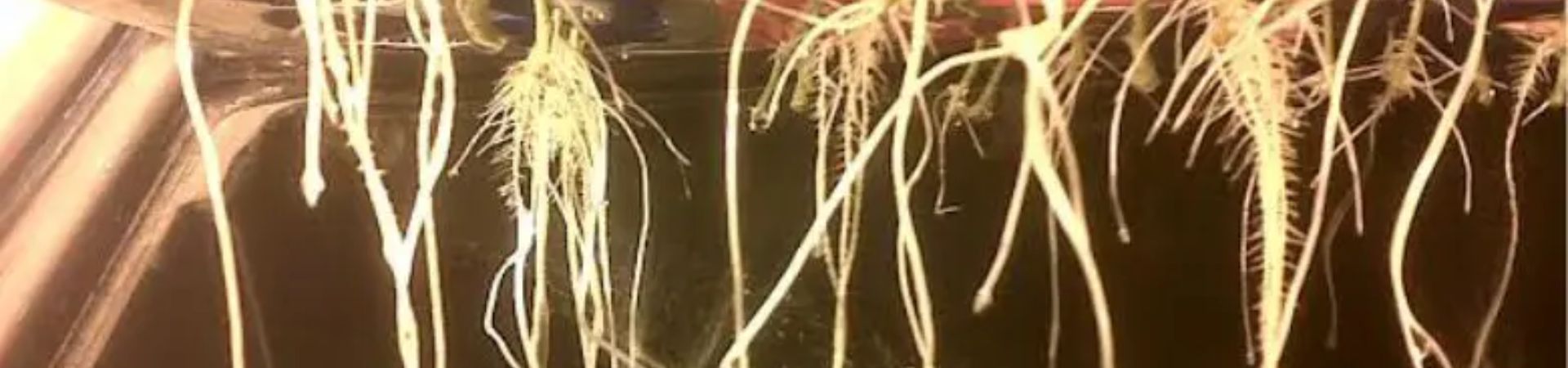
Root washing in marijuana plants is a very important step that must be done before cutting our plants. Performing it has several advantages when it comes to consuming our herb, but some users also wonder how to perform root washing for excess fertilizer and salts. Below, we tell you everything you need to know about washing in marijuana plants.
What is a root wash?
Root washing is a very common practice in marijuana cultivation with the aim of eliminating as much nutrients and chemicals from the soil as possible. For this, water without additives is used during the last days of cultivation, so that it does not affect the harvest or the flavor of the plant. It has to be done in the last 10 days of flowering, shortly before harvest.
Benefits of root washing
- Avoid nutrient lockouts: Washing the roots is very useful to prevent the accumulation of salts and fertilizer residues in the substrate, which can cause blockouts in nutrient absorption. When this happens, the roots cannot correctly assimilate what they need, which directly affects the growth and the general state of the plant. With a good wash, these residues are eliminated and the roots can work normally again.
- Solve nutritional imbalances: In addition to being preventative, washing also serves to correct existing problems. If your plants show symptoms of deficiencies or excesses, doing a root wash for excess fertilizer can help you eliminate the accumulated substances and make it easier for them to reabsorb nutrients in a balanced way, recovering their vitality.
Why perform a root wash
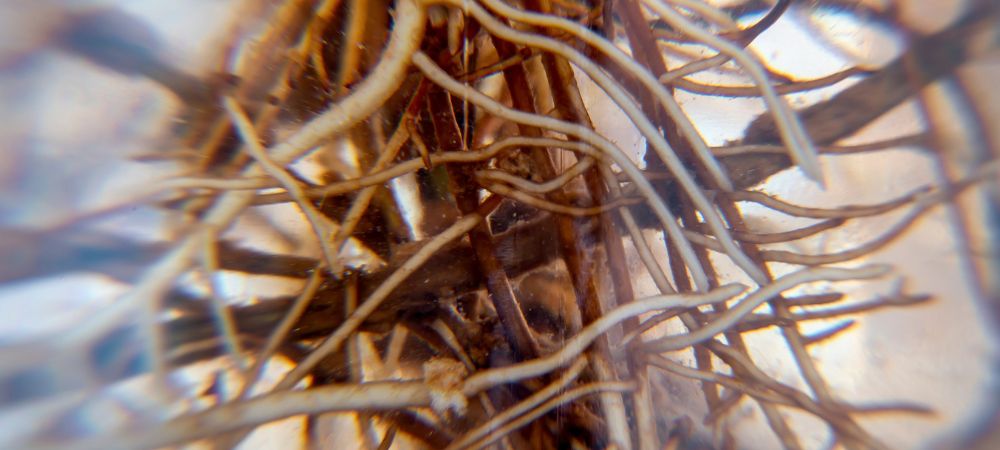
Cannabis plants feed on salts provided by fertilizers, whether chemical or organic. These mix with the water, and the plant absorbs them through the roots to distribute them throughout the plant.
Normally, when watering, everything is distributed throughout the substrate, both water and fertilizers. Many times the water dries, and the fertilizer remains in the soil. That’s why it is always recommended to do one watering with fertilizer and another with water, so that it finishes absorbing the nutrients that remain in the soil and they don’t accumulate more and more.
If these roots get blocked, the amount of food that is distributed throughout the plant decreases, slowing down growth and leading to deficiencies. This usually occurs with an excess of feeding. Often, when the water dries, the nutrients remain in the root zone. Excessive accumulation will cause the pH of the soil to become unbalanced.

Light Mix Boom Nutrients

All Mix Boom Nutrients

All Mix GB Nutrients
To solve this problem of excess salts, a root wash must be done. This achieves:
- Dragging out all the product that has remained in the substrate.
- It will free your plant from odors and flavors that can be unpleasant for the flowers, such as fertilizers or chemical residues.
How to do a root wash on a marijuana plant
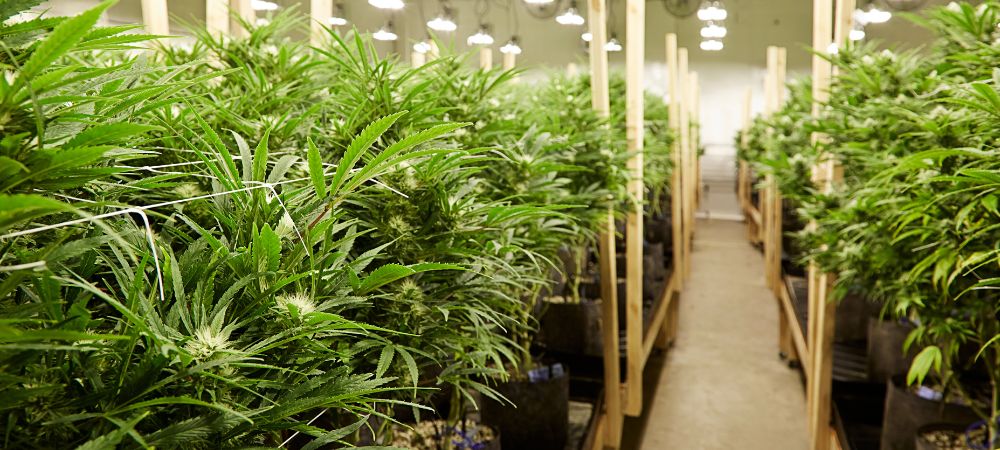
To do a root wash, you just need to water generously with plenty of water until the soil is clean of fertilizers. Some recommendations are as follows:
| Aspect | Description |
|---|---|
| Water temperature | The ideal is to use water at 20-22 °C. If it is cold, the plant gets stressed; if it is hot, the roots can rot. |
| Basic method | Place the plant in the bathtub and water with tap water until it comes out clear from the drain. At first, it carries a lot of impurities, but it will come out cleaner each time. |
| Time of day | Avoid doing it very late at night: the roots do not absorb well, and there may be a risk of rotting due to excess moisture. |
| Use of chelators | Products like Flawless Finish (Advanced Nutrients) or Final Flush (Grotek) trap nutrients and clean the plant faster than water alone. They are used during the last 10 days. It is recommended to do a final wash with water only. |
| Hydroponic cultivation | Simpler: just fill the reservoir with clean water and leave it for a few days. The roots are free of salts, and the flavor improves a lot. |
| Hydro trays with soil | The ideal is to install a drain. Use 5-10 times the usual watering volume for the wash. Then maintain only with water for 10 days before harvesting. |
How to know if the root wash has had an effect
When performing a root flush, the plant’s leaves will turn a more yellowish color. Once this happens, you can be sure the plant is free of fertilizers and residues. Likewise, the trichomes will shift from a darker color to a more milky white. After that, just let the plant grow normally and water only when needed.
Now that you know how to do it, you can use the root flush technique whenever your plants show signs of nutrient problems. If you skip it, you probably won’t harvest cannabis of the same quality. It will significa