Personalized Attention +44 151 947 0713
 SHIPPING TO ALL

 9/10 Rating
 SALE TO MINORS PROHIBITED

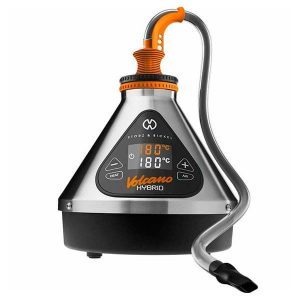
The use of cannabis vapes is becoming increasingly popular. If you’ve decided to take the step, it’s essential to understand the basics for proper use and enjoyment of your vapor. Smoking a joint has long been a ritual in our lives. Now, vaporizing cannabis is the next step, allowing you to better control the effects. Once you have your device, you need to learn how to vape at the right temperature to enhance density, flavor, and effect.
Vaporizers, such as Puffco vaporizers, feature a system that lets you control the temperature and/or battery voltage. This way, you are in full control of the heat of your vapor.
The first step is to grind your cannabis before placing it in your cannabis vape. Additionally, do not exceed 230°C (446°F), as dry cannabis will combust at that temperature. The appropriate range is between 157 and 220°C (315–428°F). At GB, we also recommend taking slow, deep inhales to produce higher quality vapor clouds. This will also reduce coughing, as the vapor flows smoothly through your respiratory tract.

A cannabis vape works by heating the herb until the cannabinoids “boil,” leaving behind fibrous plant material. In contrast, smoke from a classic joint mixes cannabinoids with toxic byproducts such as PAHs. Specifically, a joint contains only around 10% cannabinoids compared to up to 95% in a vaporizer.
Cannabinoid Temperature

Evaporation of cannabinoids begins between 157–220°C (315–428°F). Depending on your device’s temperature, you can experience more cerebral or more body-centered effects with the same amount of dried herb. The ideal temperature to extract the maximum number of psychoactive compounds is 185°C (365°F). The optimal vaping range is 180–210°C (356–410°F). Below 190°C (374°F), you’ll experience a more cerebral effect, while higher temperatures produce more of a body effect.
- THC (Tetrahydrocannabinol): Optimal temperature 157°C (315°F). The most well-known cannabinoid, valued for its analgesic and relaxing properties, and sought after for its euphoric effects.
- CBD (Cannabidiol): Boiling point 160–180°C (320–356°F). Primarily used for medicinal purposes, CBD also counteracts THC-induced anxiety and paranoia.
- CBN (Cannabinol): Boiling point 185°C (365°F). A cannabinoid formed from THC oxidation, found in very small amounts in living plants. Known for its antioxidant, sedative, and antibiotic properties.
- CBC (Cannabichromene): Boiling point 220°C (428°F). Similar to CBD and THC but less known, recent studies suggest anti-inflammatory and antifungal properties.
- Delta-8-THC: Boiling point 175–178°C (347–352°F). A primary psychoactive component similar to THC, still under-researched, with anti-nausea properties.
- THCV (Tetrahydrocannabivarin): Boiling point 220°C (428°F). Rarely known but present in high percentages in Southeast Asian and South African strains. THCV moderates THC’s psychoactive effects and is being researched for diabetes, bulimia, and Alzheimer’s.
Flavonoid and Terpenoid Temperature
Alongside cannabinoids, we find flavonoids and terpenoids. Flavonoids are a large class of plant pigments, also known as Vitamin P. Terpenoids and flavonoids are responsible for a strain’s appearance, flavor, and aroma, and they also possess therapeutic properties.

Here are the boiling points and effects of key flavonoids:
- Beta-sitosterol: Boiling point 134°C (273°F). Anti-inflammatory properties.
- Apigenin: Boiling point 178°C (352°F). Anxiolytic, anti-inflammatory, and estrogenic properties.
- Cannaflavin A: Boiling point 182°C (360°F). COX enzyme inhibition.
- Quercetin: Boiling point 250°C (482°F). Antioxidant and antiviral properties.
Terpenoids, related to terpenes, are found in a wide variety of plants and are responsible for unique aromas such as cinnamon, clove, and menthol.
Boiling points and effects of terpenoids include:
- Beta-caryophyllene: Boiling point 199°C (390°F). Anti-inflammatory and antimalarial properties.
- Alpha-terpinol: Boiling point 156°C (313°F). Antioxidant, sedative, antibiotic, and antimalarial properties.
- Beta-myrcene: Boiling point 166–168°C (331–334°F). Analgesic, antibiotic, and anti-inflammatory properties.
- Delta-3-carene: Boiling point 168°C (334°F). Anti-inflammatory properties.
- 1,8-Cineole: Boiling point 176°C (349°F). Increases cerebral blood flow, stimulant, antiviral, anti-inflammatory, and antibiotic properties.
- D-limonene: Boiling point 177°C (351°F). Antimutagenic, antidepressant, and immune system-enhancing properties.
- P-cymene: Boiling point 177°C (351°F). Antibiotic and antifungal properties.
- Linalool: Boiling point 198°C (388°F). Antidepressant, sedative, and immune system-boosting properties.
- Terpinol-4-ol: Boiling point 209°C (408°F). Antibiotic and AChE inhibitor.
- Borneol: Boiling point 210°C (410°F). Antibiotic properties.
- Alpha-terpineol: Boiling point 217°C (423°F). Sedative, antibiotic, antioxidant, and AChE inhibitor properties.
- Pulegone: Boiling point 224°C (435°F). Sedative and memory-enhancing properties.
Finally, at GB, we recommend trying your cannabis vape, such as the Puffco Peak Pro. Experiment with different temperatures to discover various flavors and effects, making your vaping experience both enjoyable and informative.