Personalized Attention +44 151 947 0713
 SHIPPING TO ALL

 9/10 Rating
 SALE TO MINORS PROHIBITED

Hallucinogenic mushrooms are a diverse group of fungi containing psychoactive compounds capable of altering perception, thought, and mood. Among the most well-known are psilocybin mushrooms, found in numerous species around the world.
In this guide, we will explore the different types of hallucinogenic mushrooms, their classification by compounds, chemical and potency differences, and the most common varieties. You will also learn which options are best for beginners and experienced users.
What are hallucinogenic mushrooms and how are they classified?
Hallucinogenic mushrooms are fungi that contain psychoactive substances capable of altering perception, thought, and emotional state. These effects occur due to the presence of molecules that interact with serotonin receptors in the brain, temporarily modifying neural activity.
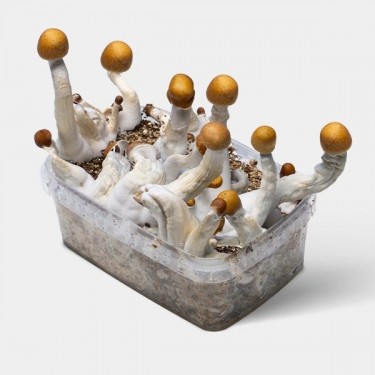
More than 200 species with psychoactive effects have been identified across different continents and habitats. Some grow wild in grasslands, humid forests, or subtropical areas, while others are cultivated indoors using kits or mushroom bricks available in our catalog, allowing better control over variety and potency.
Psychoactive compounds in hallucinogenic mushrooms
Hallucinogenic mushrooms produce their effects thanks to psychoactive molecules that interact with serotonin receptors in the brain, altering sensory perception, thought, and mood. The most relevant compounds are:
Psilocybin and psilocin
Psilocybin is the primary alkaloid found in over 200 species of hallucinogenic mushrooms, especially in the Psilocybe genus. Once ingested, the body converts it into psilocin, the active molecule responsible for psychedelic effects. Its affinity for 5-HT2A serotonin receptors is linked to the intense visual and cognitive experiences reported by users. Naturally occurring psilocin is present in smaller amounts and degrades quickly when exposed to oxygen, causing the characteristic darkening of the fruiting bodies when handled.
Baeocystin and norbaeocystin
These are psilocybin analogues present in lower concentrations. Their exact role in the psychedelic experience is not fully understood but is thought to modulate the intensity and character of effects.
Ibotenic acid and muscimol
Characteristic of species such as Amanita muscaria, these compounds act on GABA and glutamate receptors, producing effects very different from psilocybin: sedation, confusion, dream-like hallucinations, and in some cases, physical discomfort. Ibotenic acid is partially converted into muscimol during drying or preparation, reducing some of its toxicity.
These compounds not only define the type of experience but also the risk associated with each species. Correct identification and reliable information about potency are therefore essential before any use.

Types of hallucinogenic mushrooms by dominant compounds
Based on their chemical profile, hallucinogenic mushrooms can be classified into groups depending on the predominant psychoactive compound. Each molecule—such as psilocybin, psilocin, or baeocystin—has a specific structure and mechanism of action, influencing the intensity, duration, and nuances of the experience.
Mushrooms with psilocybin and psilocin
Mushrooms containing psilocybin and psilocin make up the most recognized and commonly used group among recreational users and cultivators. Psilocybin acts as a prodrug directly responsible for the psychoactive effects, which often include sensory alterations, intensified colors, changes in time perception, and at higher doses, introspective or mystical experiences.
Notable genera in this group include:
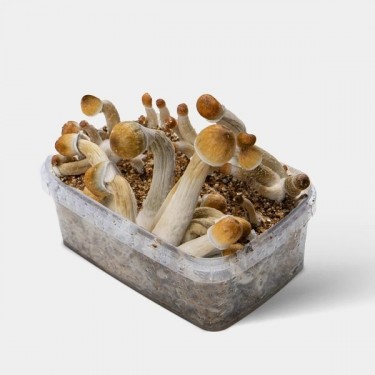
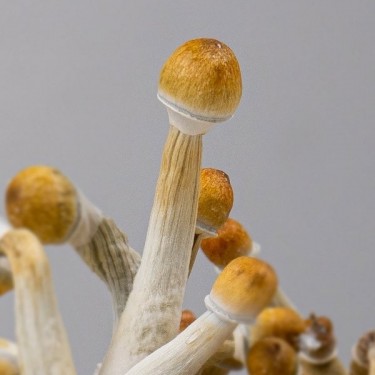
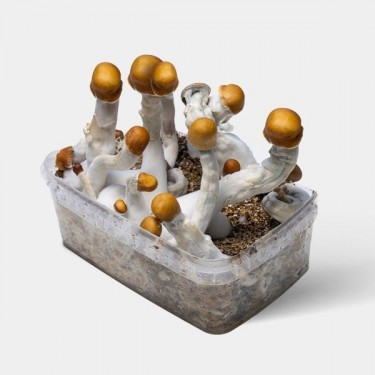
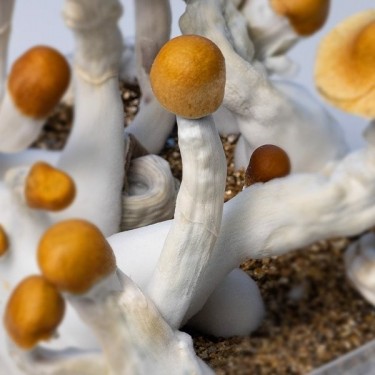
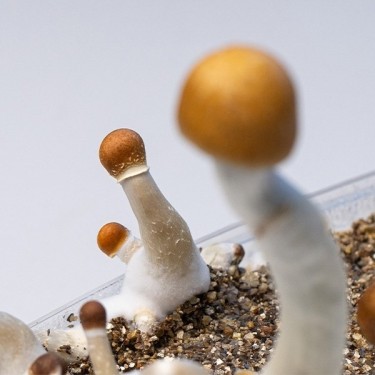
- Psilocybe: The most studied and well-known genus. Includes iconic species such as P. cubensis, famous for ease of cultivation; P. semilanceata, common in grasslands and temperate climates; P. azurescens, one of the most potent known; and P. mexicana, historically used in indigenous rituals.
- Panaeolus: Known for potency and clear but intense effects, often found in pastures and on cattle dung.
- Gymnopilus: Less popular among enthusiasts, with species containing psilocybin and characteristic orange coloration.
- Pluteus: Grows on decaying wood and in some species shows significant psilocybin content.
Other genera such as Panaeolina, Gerronema, Agrocybe, Galerina, and Mycena have been documented, though their potency and distribution are less certain, requiring caution in identification and use.
Mushrooms with ibotenic acid and muscimol
The best-known example of this group is Amanita muscaria, also called “fly agaric.” Unlike psilocybin mushrooms, its chemical profile is dominated by ibotenic acid and muscimol, compounds with neuroactive effects that alter perception, consciousness, and motor coordination, but do not produce the visual or sensory experiences typical of psilocybin mushrooms.
Consumption, documented in shamanic practices in Siberia and Northern Europe, can induce euphoria, distorted sense of time, and motor changes, but also carries risks such as nausea, confusion, and intense drowsiness.
Parasitic mushrooms
This group includes species that live at the expense of other fungi or plants, developing unusual shapes and colors. Well-known examples are certain Hypomyces species that parasitize edible mushrooms, or Cordyceps species that infect insects and other fungi.
While some contain bioactive compounds of interest, it is not verified whether they possess hallucinogenic properties or if their unique traits are purely anatomical and ecological. Current information is limited and requires more research to confirm psychoactive potential.

How do psilocybin mushrooms differ from other types of hallucinogenic mushrooms?
The main differences lie in the type of active compound (psilocybin vs. ibotenic acid/muscimol), effect intensity, duration, individual tolerance, and toxicity profiles, which vary significantly across genera.
| Group | Main compound | Typical effects | Considerations & risks |
|---|---|---|---|
| Psilocybin mushrooms (Psilocybe & other genera) | Psilocybin, psilocin, baeocystin, norbaeocystin | Visual and sensory alterations, euphoria, introspection, mystical experiences | Overdose risk due to variable potency, possible anxiety or paranoia, contamination in home cultivation, requires controlled dosing |
| Amanita muscaria | Ibotenic acid, muscimol | Dissociative effects, sedation, stimulation, dream-like hallucinations | Potential toxicity, risk of confusion with other poisonous Amanitas, side effects like nausea and disorientation, complex dosing |
| Parasitic mushrooms | Unconfirmed bioactive compounds | Insufficient information, possible unknown effects | Lack of conclusive studies, possible absence of hallucinogenic effects, caution in consumption, requires further scientific research |
What are the most common types of hallucinogenic mushrooms?
Among growers and users of hallucinogenic mushrooms, some species stand out for their popularity, ease of cultivation, and well-documented effects. These varieties are most commonly used for recreational purposes as well as for practices like psilocybin microdosing, a growing trend that involves consuming very small doses to gain subtle benefits without strongly altering consciousness.
The most common mushrooms include:
- Psilocybe cubensis: The most widely cultivated species worldwide. Varieties such as Mexicana and Golden Teacher are especially valued for cultivation resilience and balanced effect profiles.
- Psilocybe semilanceata: Also known as “liberty cap,” one of the most common wild mushrooms in Europe and North America, recognized for its potency and introspective effects.
- Copelandia affinis: Highly potent, grows in tropical and subtropical regions, often used in microdosing.
- Gymnopilus genus: Less well-known species found in grasslands and wood, with variable effects and limited studies, but popular in certain circles.
These mushrooms are especially common in home cultivation due to the availability of kits and mushroom bricks, allowing users to control potency, hygiene, and harvest, reducing risks. Microdosing with these species has grown popular in the community for potential benefits in mood, focus, and creativity.





 Add as preferred source in Google