Personalized Attention +44 151 947 0713
 SHIPPING TO ALL

 9/10 Rating
 SALE TO MINORS PROHIBITED


Are you looking to improve the yields of your cannabis crops but lack the knowledge to choose the right fertilizer? Are you unsure how to differentiate between organic and mineral fertilizers? Worry not—GB is here to help! This post aims to assist in understanding the characteristics of different types of fertilizers: organic, mineral, and organo-mineral fertilizers, as well as to discover the advantages and disadvantages of each, thereby enabling more informed decisions.
What are the 3 types of natural fertilizers?
Organic or natural fertilizers are made from natural waste, either plant or animal-based. They are often used for base fertilization and release nutrients gradually, such as nitrogen, phosphorus, potassium, and essential trace elements, ensuring the plants’ good health. These products are not directly assimilable by plants and must first be converted into mineral nitrogen with the help of soil microorganisms. Hence, as we’ve mentioned, the release occurs over several months, making them perfect for creating nutrient reserves.
The most commonly used plant-based organic fertilizers include:
- Castor meal
- Various plant manures (nettle, comfrey, etc.)
- Green manures that are buried in the soil after harvest (mustard, vetch, phacelia, etc.)
- Green waste, whether composted or not (dead leaves, cut grass, seaweeds, etc.)
- Beet vinasse.
The main animal-based organic fertilizers are:
- Crushed or roasted horn
- Manure
- Dried blood
- Guano
- Humus
Market-available organic fertilizers contain all necessary elements for proper plant development without harming the environment.
- Advantages: they provide a steady plant nutrition without fluctuations, their action is gradual and lasts over a relatively long period.
- Disadvantages: the nutrients are not immediately available at the time of application and cannot be mixed with chemical products.

Bio Grow
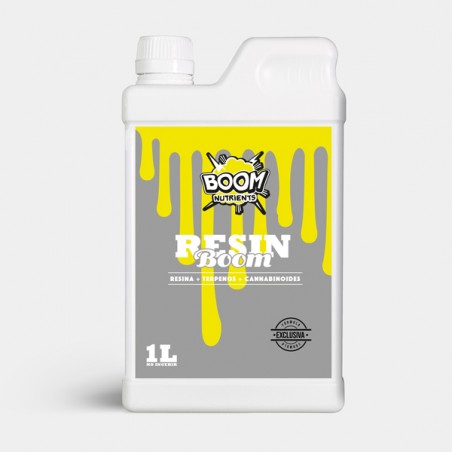
Resin Boom

Delta Boom
Different types of mineral fertilizers
Mineral fertilizers are natural mineral elements, sourced from deposits (potassium, phosphate, etc.), or produced by the chemical industry. Their purpose is to directly supply assimilable minerals to the plant, thus having a stimulating effect. On the other hand, “simple” mineral fertilizers provide one element at a time. However, most synthetic mineral fertilizers are specially formulated to meet broader needs and contain three main components: nitrogen (N), phosphorus (P), and potassium (K).
These chemical fertilizers must be used cautiously, be approved, and the recommended doses and usage conditions must be strictly followed to avoid adverse effects.
- Advantages: their release is very rapid.
- Disadvantages: risk of pollution and root burns in case of excess.

Boom Tripack
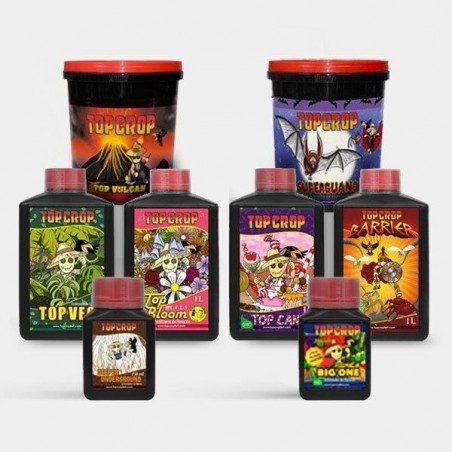
Top Crop Complete Kit

Bud Candy
Different types of organo-mineral fertilizers
Organo-mineral fertilizers are composed of both organic elements (like sea guano) and mineral elements. Thanks to this dual composition, they allow for both rapid and gradual release of nitrogen. Thus, plant nutrition is effective and sustainable.
Organo-mineral fertilizers (with EDTA chelates) are of natural origin, coming from composting, bone meal, guano, etc. To achieve a perfect balance between micro and macro nutrients, chelating agents are added. EDTA is a chelate capable of introducing certain nutrients to the plant. These are heavy metal groups transformed into a component assimilable by the plant at the time of chelation, during the flowering period.
- Advantages: rapid and progressive nutrient release.
- Disadvantages: risk of over-fertilization and alteration of the herb’s taste.
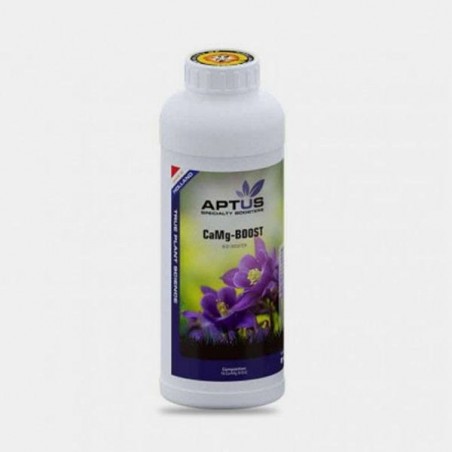
CaMg-Boost
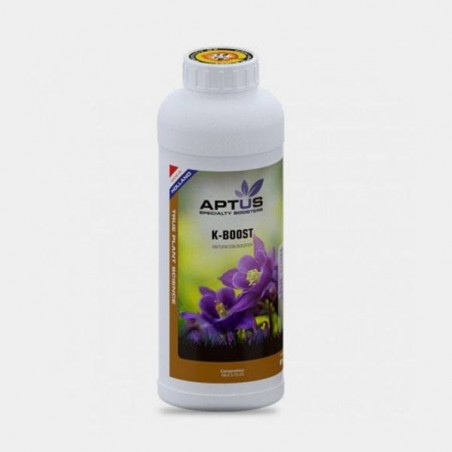
K-Boost

Top Veg
Our advice on different types of fertilizers for cannabis
Remember that fertilizers can leave residues that will be noticeable when smoking the herb. It’s important to stop applying fertilizers about 15 to 21 days before harvest. Moreover, if your plants are over-fertilized, the excess nutrients could delay plant development and, therefore, its final maturation. The drying process may struggle to eliminate excess chlorophyll, potentially leaving an undesirable taste in your herb. Thus, it’s crucial to follow the manufacturer’s instructions, possibly their cultivation table, and the recommendations of your grow shop.
To facilitate the choice of your fertilizer, several associations have been created to certify and label fertilizers. These institutions ensure that the general public and agricultural sector professionals can be guaranteed a product that can, for example, be integrated into an organic cultivation process.
Using fertilizers when being vegan
In recent years, a new cultivation system, vegan cultivation, has emerged. This bio-vegetal technique involves growing while avoiding all artificial chemicals, genetically modified organisms, animal manures, and animal remains from slaughterhouses (blood meal, feather meal, bone dust). Therefore, it’s necessary to ensure the composition of the products or verify that they have a vegan label. Homemade organic fertilizers can also be used.
Ultimately, the choice of a fertilizer will also depend on the cultivation goals. Indeed, it is crucial to consider the desired amount of production, preferences in terms of flavors, whether you plan to reuse the substrate in which you grow, etc. In the end, it is up to the grower to weigh the pros and cons and conduct tests to find the best option.