Personalized Attention +44 151 947 0713
 SHIPPING TO ALL

 9/10 Rating
 SALE TO MINORS PROHIBITED

Tobacco VS Cannabis is a debate that has been raging for years, decades now. In The United States, in the states where it is legal, Cannabis is officially taxed like any other product, like tobacco and alcohol for example, and its production, sales and use is all regulated.
When it comes to this topic, life insurance companies are having none of it. They claim that cannabis can’t be treated as if it was tobacco and they use extremely old information as “evidence”, with claims such as saying that cannabis has cancerous and extremely harmful to our health. Sun Life states that cannabis consumers tend to consume more tobacco than those who solely smoke tobacco, which makes absolutely no sense and apparently has no actual basis of evidence. The curious thing about this is that if you’re a cannabis smoker, insurance companies have trouble classifying you, so if you smoke cannabis and do risky sports or have a terminal illness they’re not entirely sure how this affects policy, however tobacco smokers get their own category. Curious, isn’t it?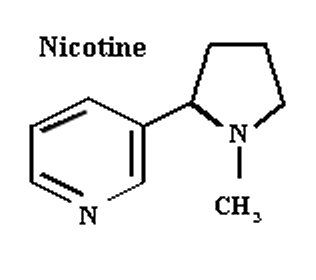
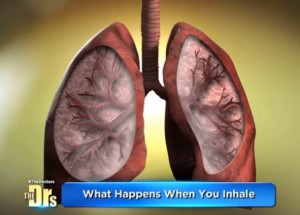
Pulmonologist Donald Tashkin published a work in 2013 on the effects of marihuana smoking on the lungs, where he says that cannabis smoke and vapor don’t appear to cause any sort of malformation or cancer in the lungs and it’s apparently beneficial for them, stimulating the upper part of the lungs. Donald Tashkin is the same pulmonologist that, during Regan’s time, came up with many studies AGAINST cannabis. He seems to have completely changed his tune almost 30 years later. To top it all off, in 2007 it was proven that tobacco and alcohol are more addictive than cannabis.
During that decade of investigation, it was also proven that mixing cannabis and tobacco can actually alter the effect of cannabis, changing its medicinal powers and increasing the harmful effects of tobacco in as far as the lungs. When it comes to the brain, many people are concerned that cannabis severely affects our memory; however the opposite was actually proven years ago in a study involving mice and Alzheimer’s disease. The whole memory legend might have some truth to it, as apparently both tobacco and cannabis stimulate part of the hippocampus, part of the brain that’s related to addiction and compensation, changing its size and density. It’s been proven that those who use pure cannabis have smaller, less dense hippocampus areas whereas those who mix 50/50 tobacco and cannabis actually have a larger hippocampus, actually managing to improve memory. This is due to the effect of the tobacco, which affects the production of dopamine, increasing endorphins and other things, which are all related to how memory works.
An excess of nicotine appears to affect CB1 receptors, which are receptors in charge of receiving cannabinoids. This secondary effect of nicotine limits the perception of cannabinoids in our system which accelerates tolerance levels. It’s recently been proven that vapor or smoke from cannabis have given positive results in specific cancers, where it completely stops tumor cell growth and can even reduce the size of the tumor; tobacco stimulates the exact opposite as well as being highly psychically addictive thanks to the hormonal imbalance it causes.
Cannabinoids can be found in our bodies from an extremely young age, as there are endocannabinoids in breast milk that stimulate two cerebral receptors, which are related to the immune system and the correct development of our brain. This makes cannabis seem a lot nicer and less prejudicial than tobacco.
Of course, any smoking habit isn’t good for our body or health, as smoking both cannabis and tobacco and be damaging to our respiratory tracts due to the temperature of the smoke as it goes down our throat, and of course everything else in contact with the smoke (teeth, tongue, hands…). In fact, cannabis can be consumed in many other ways that aren’t smoking or vaporizing it; it can be eaten, you can drink it too, so this makes it infinitely more healthy than smoking tobacco or even smoking cannabis.
Author: Fabio Inga
Translator: Ciara Murphy