Personalized Attention +44 151 947 0713
 SHIPPING TO ALL

 9/10 Rating
 SALE TO MINORS PROHIBITED

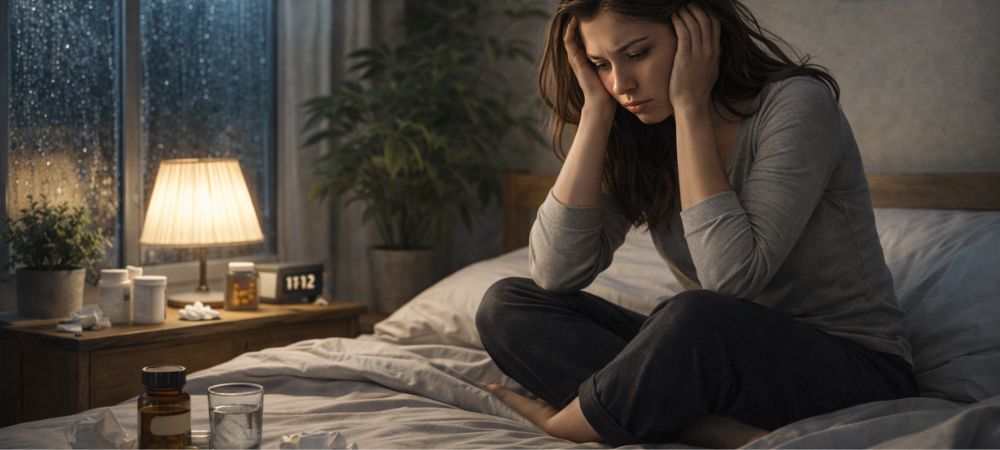
There are moments when mood does not improve, rest is not restorative, and everything seems more difficult than usual. When this persists over time, it is reasonable to consider whether other options may help cope with the situation, especially when conventional treatments do not work as expected or produce side effects that are difficult to manage.
In this context, the use of cannabinoids has increasingly entered public discussion, particularly due to their relationship with sleep quality, anxiety, and overall well-being. As a result, more people are wondering whether the connection between depression and medical cannabis is a realistic possibility or, on the contrary, may represent an additional risk.
Addressing this topic requires going beyond isolated opinions and personal experiences. It is necessary to understand what is truly known, what scientific research shows, what legal boundaries exist, and in which situations extra caution is advisable.
What is depression and why not everything works for everyone
Depression is a mood disorder that affects the way a person feels, thinks, and behaves in daily life. Common symptoms include persistent sadness, loss of interest in usual activities, sleep disturbances, fatigue, and changes in appetite. Without treatment, it can seriously affect quality of life.
For this reason, there is no single way to address depression. In many cases, psychological therapy, medication, and lifestyle changes are combined. However, not everyone responds in the same way, which is why questions arise about other options that may help relieve specific symptoms, even if they do not treat the underlying cause.
This is where interest in medical cannabis emerges, especially when depression is accompanied by anxiety, sleep problems, or constant stress.
Treating depression with medical cannabis: separating expectations from reality
Discussing depression treated with medical cannabis requires reducing the noise surrounding the topic. It is not a miracle solution, but it should not be approached with fear either. As with many wellness-related tools, the key is understanding its real potential and limitations.
From a scientific perspective, medical cannabis is not considered an antidepressant treatment in itself, but rather a supportive tool that may positively influence several factors related to well-being. Aspects such as sleep quality, stress perception, or certain physical discomforts associated with depression may be modulated in some cases.
What science tells us
- Small and limited studies: Some trials include few participants and do not find significant improvement in depression symptoms with THC or THC-CBD combinations.
- Preclinical research with CBD: Animal studies and preliminary data suggest that CBD may interact with receptors associated with mood regulation, although these findings do not directly translate into strong clinical evidence in humans.
- Mixed observational results: Observational studies show heterogeneous outcomes. In some cases, uncontrolled or recreational cannabis use has been associated with less favorable long-term mood outcomes. However, other data indicate that certain patients, especially in supervised settings, report subjective improvements in associated symptoms such as anxiety or sleep quality.
This body of evidence does not allow for definitive conclusions, but it does provide a clear idea: context matters. Studies vary greatly in the products used, dosage, treatment duration, and participant characteristics. Therefore, rather than discussing absolute outcomes, it is more useful to view medical cannabis as an evolving field of research where knowledge continues to develop over time.
To evaluate the use of medical cannabis for depression, it is essential to review the available scientific evidence and how existing studies were designed, since results vary depending on context, product type, and patient profile.
This table summarizes relevant findings from current scientific research regarding the use of cannabis (and its compounds) in relation to depression and mood disorders.
| Scientific evidence on cannabis and depression | |||
|---|---|---|---|
| Approach / Cannabis Type | Main Findings | Type of Evidence | Practical Interpretation |
| THC + CBD Cannabis | Does not significantly improve depression compared to placebo or active treatments | Small clinical trials | Not recommended as a primary treatment for depression |
| Isolated CBD | Possible antidepressant effects observed in animal models | Preclinical and limited human evidence | Promising hypothesis, but strong clinical evidence is still lacking |
| Recreational use / self-medication | Associated with increased depressive symptoms in some profiles | Observational studies | Self-medication is not recommended in clinical depression |
| Medical use under supervision | Some subjective reports of improved well-being | Observational data | May help with associated symptoms (anxiety, sleep), not as a standalone treatment |
Risk factors and red flags in mental health
Before considering any cannabinoid-based product, it is important to be aware of possible adverse effects or situations where risk may be higher.
| Cannabis Use Risk Factors and Situations | ||
|---|---|---|
| Risk Situation / Factor | Possible Risk | Recommendation |
| Frequent use of high-THC products | Possible increase in anxiety, depression, or paranoia | Avoid without medical supervision |
| Self-medication for depression | Lack of improvement or worsening of symptoms | Consult a healthcare professional |
| Early onset use (adolescence) | Higher long-term depression risk | Avoid recreational and non-indicated medicinal use |
| Uncontrolled dosing | Unpredictable individual response | Personalized guidance from a medical specialist |
Difference between medical Cannabis and over-the-counter CBD Products
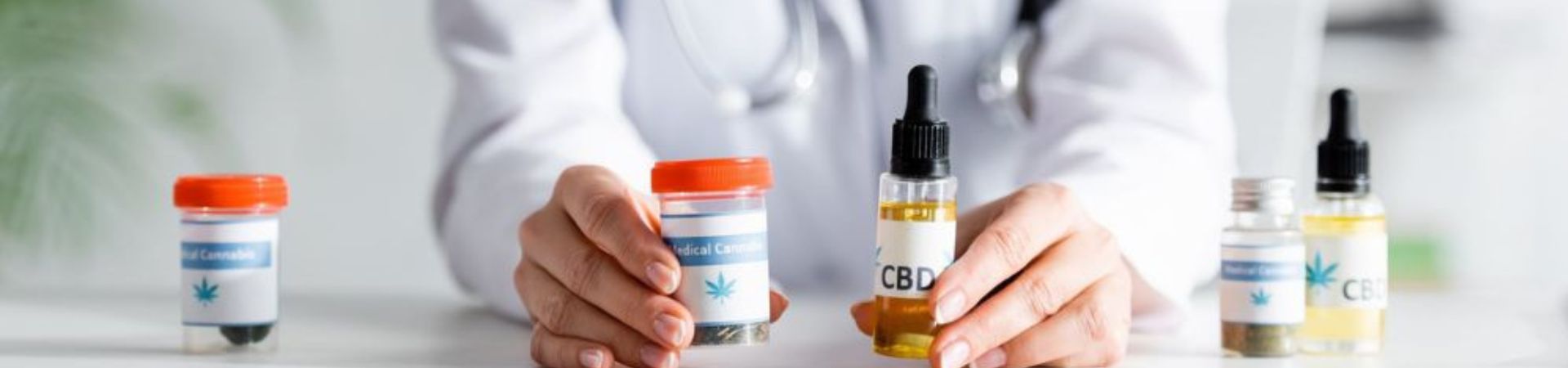
In discussions about cannabis and depression and mental health, medical cannabis prescribed by a professional is often confused with CBD products. In the United States, medical cannabis is generally limited to specific medical indications under specialist supervision (such as chronic refractory pain, spasticity, or chemotherapy-related nausea), and it is not used as a primary treatment for depression.

These treatments involve clinical oversight, standardized dosing, and regular monitoring and evaluation. In contrast, many CBD products sold commercially are not regulated as pharmaceuticals, and their quality and concentration may vary significantly.
Risks and side effects to consider
Although CBD generally has a relatively favorable safety profile compared to THC, high amounts of THC can cause psychoactive side effects such as anxiety, paranoia, or cognitive impairment, especially in individuals with vulnerabilities or frequent use patterns.
Some studies have observed that chronic use of cannabis with high THC content, particularly outside a therapeutic setting, may be associated with worsening depressive symptoms in certain individuals. For this reason, medical cannabis formulations tend to prioritize controlled compositions, often with more balanced cannabinoid profiles or CBD-dominant products, always under professional medical monitoring.
There may also be drug interactions (for example, with antidepressants), so it is essential to consult a healthcare professional before combining treatments.
How to talk to a healthcare professional if you are concerned about Depression
If you are considering medical cannabis or CBD products for depression or related symptoms:
1. Prepare key information before your appointment:
- Main symptoms (duration, intensity, and impact on daily life).
- Previous treatments (medication, psychotherapy, lifestyle changes).
- Current medications (including supplements or CBD products).
2. Set clear goals during the conversation:
Define what you hope to improve (better sleep, reduced anxiety, improved energy levels) and describe it clearly.
3. Warning signs you should not ignore:
- Increasing feelings of sadness or hopelessness.
- Suicidal thoughts or self-harm ideation.
- Social withdrawal or functional decline.
In these cases, seek immediate medical help. If you ever feel overwhelmed, experience persistent hopelessness, or think you might harm yourself, talking to someone can make a difference. In the United States, several free and confidential resources provide immediate support:
- 988 Suicide & Crisis Lifeline: Free, confidential 24/7 support for suicide and mental health crises.
- The Trevor Project: Crisis support for LGBTQ+ youth, available via phone, chat, and text.
- Crisis Text Line: Text HOME to 741741 for free crisis counseling.
Seeking help is not a sign of weakness but a first step toward self-care.
Depression is not currently considered a primary clinical indication for medical cannabis use. However, cannabinoid research continues to advance, and its role as complementary support for associated symptoms remains an area of clinical and scientific interest.

Although CBD and other cannabinoids continue to be researched, current evidence does not support recommending cannabis as a direct treatment for depression, and the role of cannabinoids in depression management remains complementary and subject to medical supervision.
The most effective approach continues to be a comprehensive strategy involving mental health professionals, therapy, healthy lifestyle habits, and evidence-based treatments. Medical cannabis may play a complementary role in managing associated symptoms, such as insomnia or anxiety, but it should not replace validated treatments without medical supervision.