Personalized Attention +44 151 947 0713
 SHIPPING TO ALL

 9/10 Rating
 SALE TO MINORS PROHIBITED

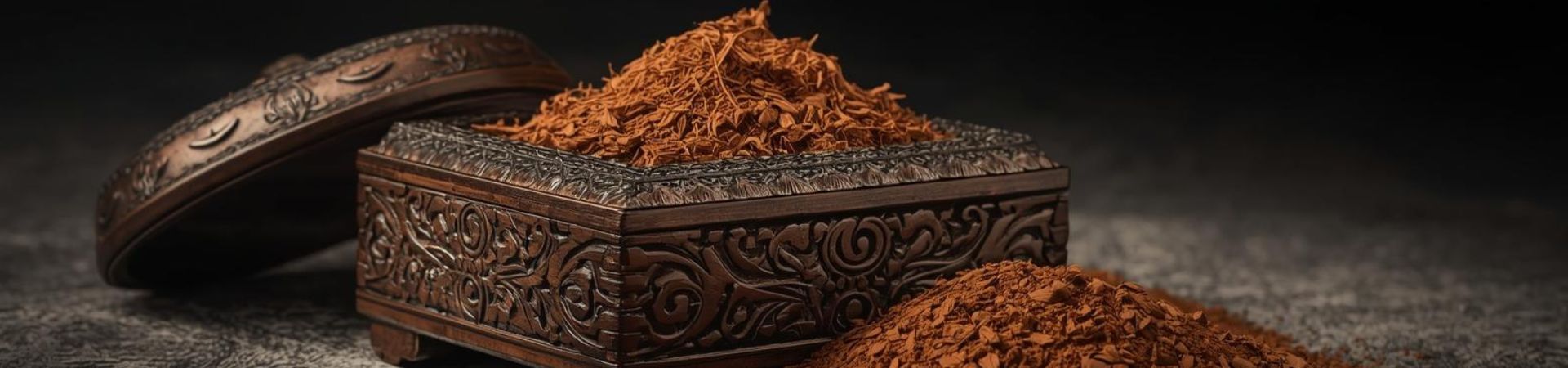
In recent years, rapé snuff tobacco has started to attract attention outside of its traditional contexts. Snuff tobacco in the form of rapé was originally used in Indigenous communities in South America, especially in the Amazon region. It is believed that its use dates back thousands of years. At that time, rapé snuff tobacco was regarded as a sacred tool to connect with the divine, as its use was thought to open the body’s energetic channels, as well as support healing on both a physical and spiritual level.
This fine powder, made from tobacco and other plants, is neither smoked nor chewed: it is inhaled or blown through the nose, triggering an intense physical reaction and an immediate mental effect.
For many people, rapé snuff tobacco is a spiritual tool for energetic cleansing, traditionally used in shamanic rituals to “open inner vision” or to reconnect with the earth. For others, it represents an alternative to conventional tobacco, without smoke or combustion, but with a strong sensory and meditative component.
However, beyond the mysticism and curiosity, rapé remains a tobacco-derived product, with a high nicotine content and physiological effects that should be clearly understood before use.
What is snuff tobacco?
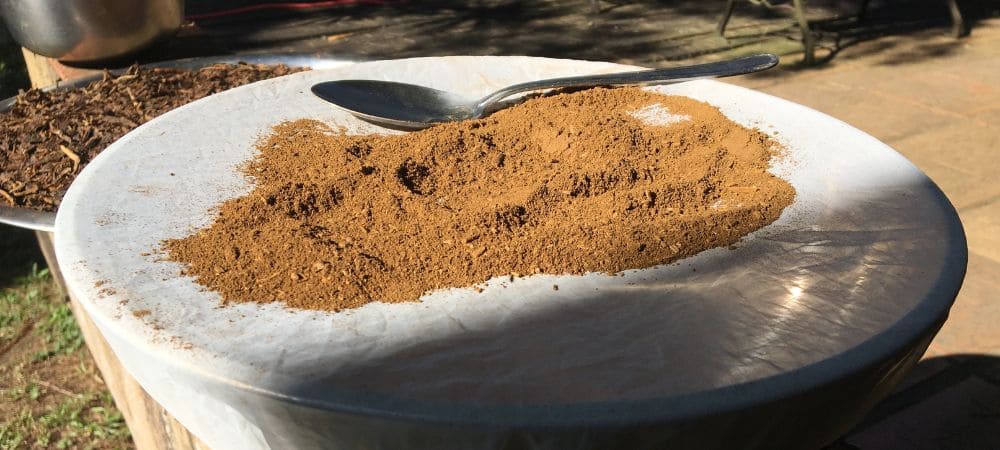
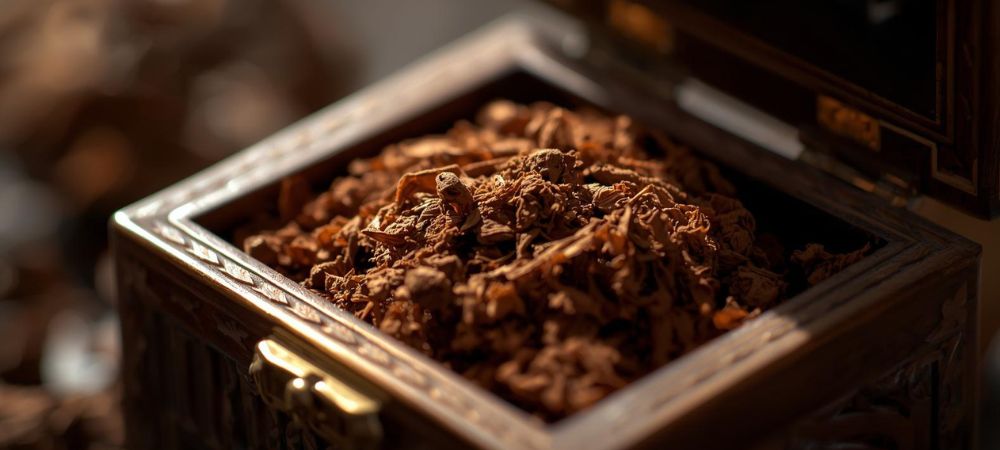
Rapé snuff tobacco, also known as nasal snuff tobacco, is a blend of finely ground tobacco, often combined with plant ashes or medicinal plant extracts, traditionally used in Amazonian rituals. Its name comes from the French word “râpé”, meaning “grated” or “ground”, referring to its powdered texture.
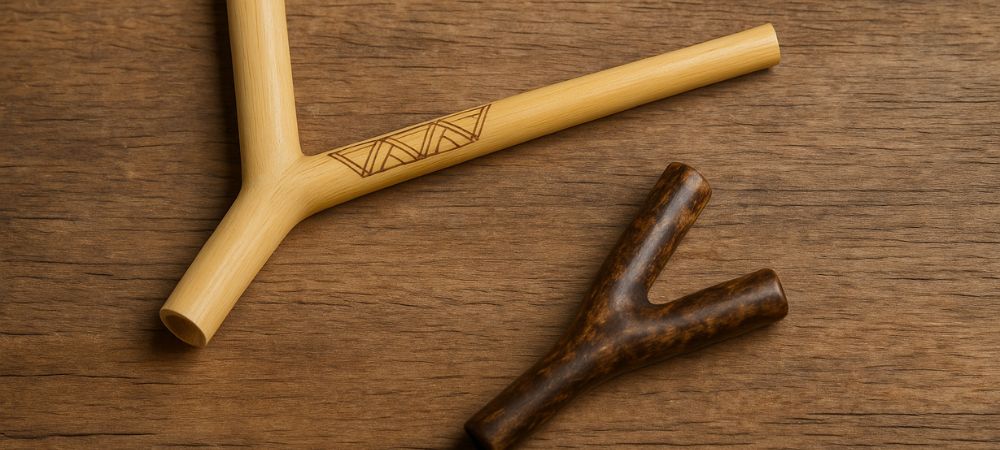
In practice, it is mainly prepared from the leaves of Nicotiana tabacum or Nicotiana rustica (a variety with a higher nicotine concentration), which are dried, ground and mixed with other natural ingredients. The result is an aromatic powder that is inhaled through the nose or blown using a special tube known as a kuripe (for individual use) or a tepi (when applied by another person).

Dual sniffer tube
There are different varieties, each with its own specific characteristics and properties. Among the most common are pure snuff tobacco blends, rapé mixed with medicinal ingredients and rapé featuring classic aromas such as mint or eucalyptus.
Unlike traditional smoking tobacco, snuff tobacco in rapé form is not burned or smoked, so it does not produce smoke or tar. It is absorbed directly through the nasal mucous membranes, which leads to a fast and intense effect.
How snuff tobacco is used?
There are two main ways to apply rapé snuff tobacco. The first is using a kuripe, intended for individual use. This small V- or L-shaped tube, usually made of bamboo or bone, allows the user to blow the snuff tobacco from their hand into their own nose. One end is placed in the mouth and the other in one nostril; the person blows forcefully, in a dry and quick motion, so that the powder reaches the nasal passages properly.
The second method of application is with a tepi, used in assisted or ritual settings. In this case, another person — the facilitator — applies the rapé. They place a small dose at the end of the tube and blow the powder into each nostril of the recipient. This process often has a symbolic dimension and forms part of rituals of connection or spiritual cleansing.
To apply rapé snuff tobacco correctly, a small amount of powder — about the size of a lentil or less — is placed in the end of the kuripe or tepi. Before application, it is advisable to take a deep breath through the mouth and relax the body. Then, the powder is blown into one nostril in a quick, dry motion, and the process is repeated in the other nostril. It is important not to actively inhale, since the powder should enter through the force of the blow, not through voluntary inhalation. After application, it is recommended to keep the eyes closed for a few seconds and breathe slowly through the mouth to integrate the experience.
What snuff tobacco is used for?
Although today rapé snuff tobacco has spread into a variety of settings, its core use is still tied to ritual, therapeutic and meditative practices. Below is an overview of its main purposes.
Ritual and spiritual use
In Indigenous Amazonian cultures, especially among peoples such as the Yawanawá, Katukina, Kaxinawá and Huni Kuin, rapé is considered a sacred tobacco medicine. Its use is spiritual, as it is intended to clear the mind, purify the body and balance a person’s energy.
During ceremonies, the shaman or facilitator blows rapé snuff tobacco into the participant’s nostrils, creating a sense of expansion, sneezing or even crying, which are seen as part of an energetic release process.
Rapé is believed to support a deeper connection with nature, open inner vision and improve focus, especially before other ceremonies with “teacher plants” such as ayahuasca or cacao.
Therapeutic and meditative use
Outside Indigenous contexts, rapé snuff tobacco has been adopted in alternative settings as a tool for meditation, mental focus and emotional cleansing. Some users report that it helps them:
- Reduce nasal congestion and open the airways.
- Enhance concentration or support introspection.
- Experience mental stimulation and increased clarity.
- Support the body’s natural detox processes.
- Increase the feeling of inner connection and calm.
It is important to emphasize that there are not yet enough clinical studies to confirm specific medical benefits, and that the use of snuff tobacco — including rapé — should always be responsible and mindful.
Recreational or alternative use
In non-ritual contexts, some people use rapé snuff tobacco for its stimulating effect or out of sensory curiosity. Its application triggers an immediate physical response such as itching, watery eyes, sneezing and even dizziness, along with a brief feeling of mental clarity or alertness.
However, due to its high nicotine content, snuff tobacco can lead to dependence, so moderation is strongly recommended.
Effects of snuff tobacco
The effects of snuff tobacco in rapé form can vary depending on the blend, dose and individual sensitivity, but they are generally characterized by a rapid and intense physical and mental reaction. Although its use is often tied to ritual and meditation, it is important to understand both the immediate sensations snuff tobacco may produce and the potential risks associated with its consumption.
Immediate effects of snuff tobacco
The use of rapé snuff tobacco generally triggers a rapid reaction right after application:
- Intense sneezing or nasal discharge.
- Sensation of cleansing in the paranasal sinuses.
- Dizziness or mild euphoria.
- Mental stimulation and a feeling of heightened presence.
- In some cases, mild nausea or vomiting (often interpreted as part of a cleansing process).
These effects usually last between 5 and 20 minutes, depending on the dose and the type of snuff tobacco used.
Long-term effects and risks
Although rapé does not involve combustion, it is still a highly concentrated source of nicotine, so its risks are similar to those of other smokeless snuff tobacco products:
- Addiction due to nicotine dependence.
- Damage to the nasal mucosa, with possible irritation or inflammation.
- Increased heart rate and blood pressure.
- Higher risk of oral, esophageal or nasal cancer with long-term use.
- Dental erosion and gum recession when used orally.
Major health institutions — such as the National Cancer Institute (NCI) and the American Cancer Society — warn that no tobacco product is completely safe, even when it is not smoked.
Comparison between snuff tobacco and other smokeless tobacco products
To better understand where rapé fits within the wider range of smokeless snuff tobacco products, the following table summarizes its main differences compared with snus, dip/moist snuff and chewing tobacco. The comparison includes route of administration, duration of effects, risks and typical usage context.
| Criterion | Rapé snuff tobacco | Snus | Dip / moist snuff | Chewing tobacco |
|---|---|---|---|---|
| Route of administration | Nasal | Oral | Oral | Oral |
| Combustion | No | No | No | No |
| Duration of effects | Short (5–20 min) | Medium (20–40 min) | Medium | Long |
| Addiction risk | High | High | High | Medium |
| Typical use context | Ritual / spiritual | Alternative to smoking | Recreational | Traditional |
| Legality in the EU | Varies | Only legal in Sweden | Banned | Allowed |
| Typical user profile | Spiritual or alternative | Adult former smokers | Young recreational users | Rural or manual workers |
Rapé snuff tobacco is one of the oldest and most ritualized forms of tobacco use. Its use goes far beyond the simple search for stimulation: in many cultures, it represents an act of purification and spiritual connection. However, because it is a product with a high nicotine concentration, it is not free from physical risks or the potential for dependence.
Understanding its origins, its uses and how it compares with other smokeless snuff tobacco products makes it possible to approach rapé from a culturally respectful and scientifically informed perspective.
Whether it is used as an ancestral medicine or as a modern alternative, snuff tobacco in the form of rapé should always be handled with respect, moderation and awareness.