Personalized Attention +44 151 947 0713
 SHIPPING TO ALL

 9/10 Rating
 SALE TO MINORS PROHIBITED

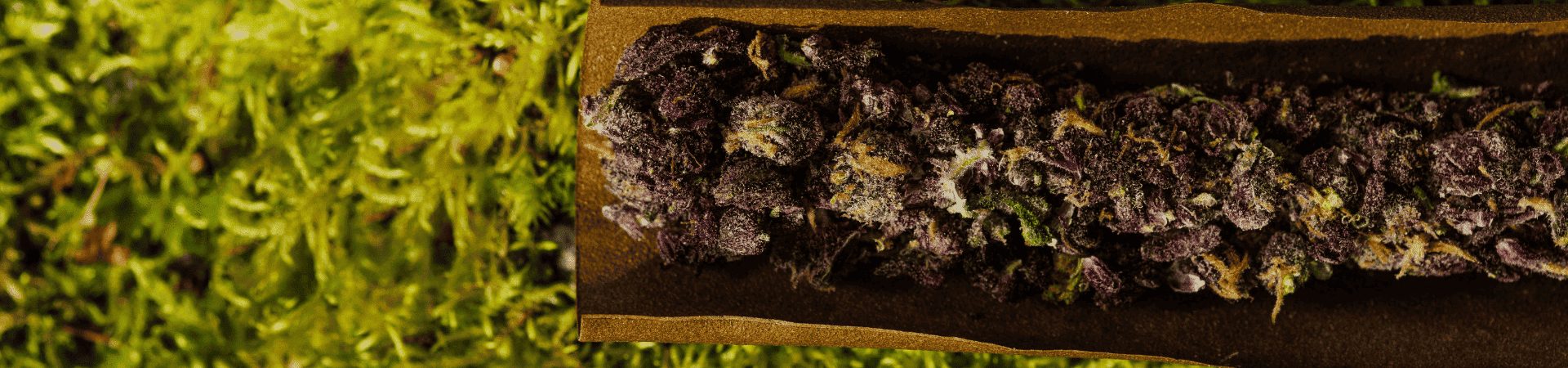
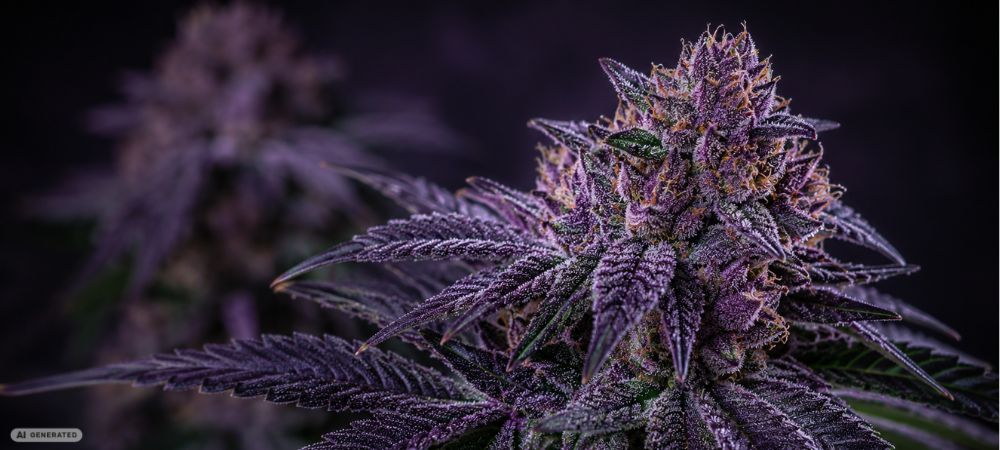
Purple Kush is one of those genetics that catches the eye even before you try it. Its name already anticipates two of its great appeals: a clear Kush background, associated with intense indica profiles, and an aesthetic that displays very attractive purple tones when the genetics and cultivation are right. That’s why Purple Kush usually sparks interest in those looking for a strain with visual presence, as well as those who prioritize a more physical, relaxing, and profound experience.
Within the Kush universe, the Purple Kush strain stands out for its compact profile, its resinous character, and an earthy, sweet, fruity aroma. It also has certain dense nuances reminiscent of spices, hashish, or dried fruits.
The Purple Kush genetics are strongly associated with feelings of rest and disconnection, making it recommended for those who prefer more indica than stimulating profiles.
Origin and lineage of Purple Kush
To maintain a pure indica genetic, the breeders of Purple Kush recruited two indigenous indica strains from the Middle East:
- Hindu Kush is known for its resilience, compact morphology, and strong body high.
- Afghani is highly valued for performing well in almost any environment.
And from this mix, Purple Kush has inherited the best characteristics. However, not all Purple Kush on the market are exactly the same. Parentage, timing, or yields may vary.
Even so, Purple Kush is usually placed within the Kush family, with a very defined indica base and a strong association with dark, dense, and aromatically intense profiles.
Purple Kush: Indica Genetics with purple tones
Purple Kush is associated with a clearly indica genetic line, with a very marked presence of the typical traits of this type of strain:
- robust structure
- relatively contained internodal distance
- visually attractive flowering
- experience more oriented towards relaxation
This combination is precisely one of the reasons why it continues to attract interest among those looking for a classic purple kush, but with an added aesthetic.
Beyond the visual appeal, what often makes Purple Kush special is the balance between density, aroma, and resinous presence. It’s not just a strain that’s appealing to the eye, but also often liked for its enveloping aromatic profile. Likewise, it offers a very recognizable experience within indica genetics, with a heavy, deep sensation more suitable for moments of calm.
What differentiates Purple Kush from other genetics?
Among Kush genetics, Purple Kush stands out for its strong visual component and its aromatic personality.
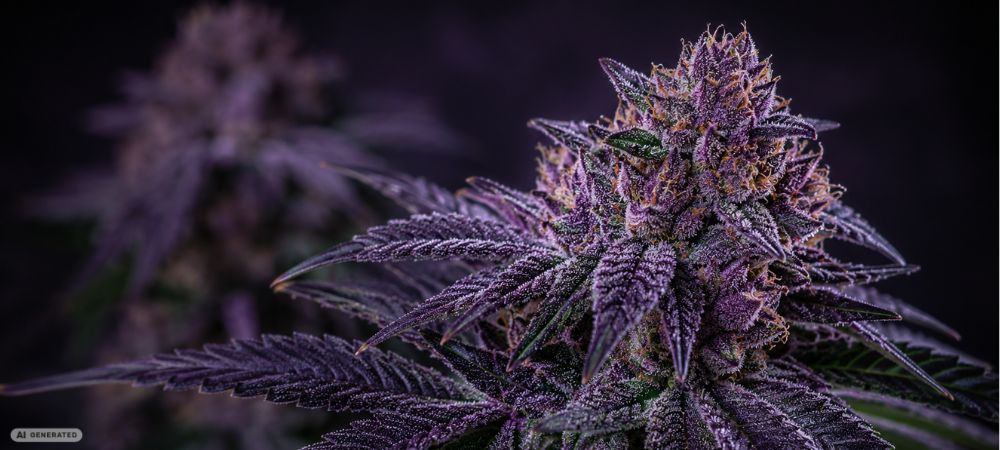
Compared to other more neutral-looking Kush strains, Purple Kush is very striking due to its dominant purple color in leaves, calyxes, and floral areas. Added to this characteristic is a resin production that attracts those who value compact, sticky, and visually appealing buds.
How is the purple color expressed in Purple Kush?
Just because Purple Kush is called that doesn’t mean it will be purple. The purple expression depends on the specific genetics and how that trait manifests in each plant. From there, the environment also influences the degree of coloration that will be shown.
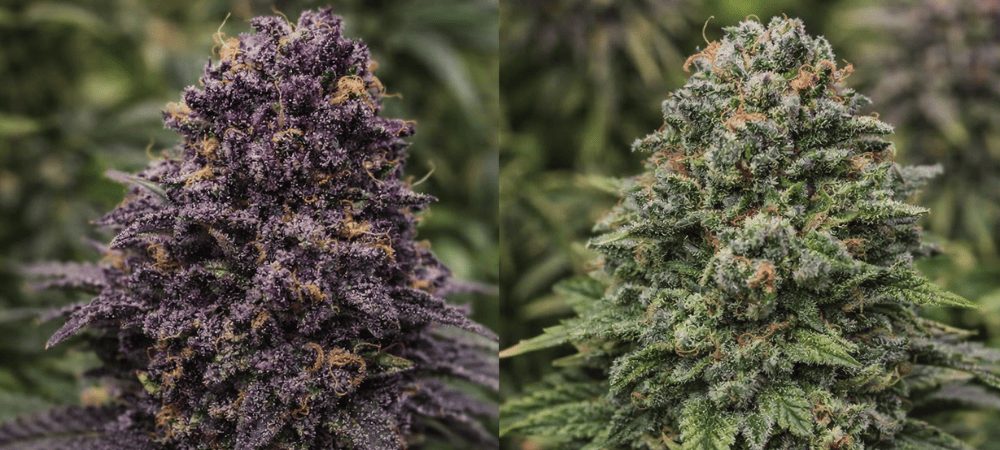
- Genetics: The basis of coloration lies in the genetics themselves. If the bank has worked with phenotypes with good purple expression, there will be more possibilities of seeing that characteristic. Otherwise, the result may be more subtle even if the strain name indicates otherwise.
- The environment: The environment influences how these tones manifest, especially during the final flowering phase. Some conditions favor the visual expression of purple more, but that doesn’t mean it’s advisable to push the plant to unnecessary extremes.
Therefore, a Purple Kush can exhibit very marked purple tones in some parts of the plant or remain in more discreet nuances in other situations. It is important to understand that color is a valuable visual trait, but it should not become the only reference for judging the quality of the strain.
Common mistakes when trying to enhance purple in Purple Kush
One of the most common mistakes is to obsess over color and make cultivation decisions that end up harming the plant’s health. Forcing certain conditions too much to achieve a strong tone can compromise vigor, yield, or final quality.
It is always better to prioritize good cultivation and let the genetics express themselves naturally. The goal should always be to support the genetics well, not to force them.
| Factors influencing Purple Kush coloration | |
|---|---|
| Factor | How it influences Purple Kush |
| Genetics | It is the main basis of purple coloration |
| Phenotype | Not all plants express the color with the same intensity |
| Temperature | Can favor a more visible expression in certain phases |
| Nutrition | Balanced cultivation helps better overall expression |
| Stress | Forcing it can harm the plant’s health |
| Maturation | Color can intensify at the end of flowering |
What are the effects of Purple Kush?
The effects of Purple Kush are usually described as clearly indica. It is a strain associated with a feeling of intense physical relaxation, pleasant body heaviness, and a tendency to induce rest. It is not usually the genetics one would seek to stay very active or focused during demanding tasks, but rather an option for evenings or rest days where you can slow down.
There’s no slow, gradual transition to the high; this strain hits hard and fast. This body hit is usually accompanied by an enveloping, calm, and deep sensation. Depending on the context, tolerance, and phenotype, a more contemplative or introspective facet may also appear, but generally, its identity is more physical than cerebral.
Body relaxation and indica profile
Purple Kush is usually especially appealing to those who enjoy strains with a heavy presence, an indica feel, and a progressive sense of disconnection. This impression of bodily pause is part of its appeal and helps explain why it is a genetic so associated with quiet moments, the end of the day, or relaxation plans.
Intensity, consumption time, and user type
Due to its profile, it usually suits users who already know they prefer denser and less active experiences. It can also be very attractive for those who value genetics with an aromatic presence, striking buds, and a classic style within the Kush world.
However, if you are looking for a light, functional strain or one aimed at maintaining your pace, other genetics may be more suitable. Purple Kush usually plays in a different field: that of intensity, potency, and calm.
Flavor and aroma of Purple Kush
The flavor of Purple Kush is one of its most interesting aspects. Although it can vary depending on the seed bank, phenotype, and curing process, this strain typically features earthy, sweet, fruity, and dense notes, with a quite recognizable Kush background.
- Earthy, sweet, and fruity notes. One of its strengths is that it doesn’t stick to just one register. It can offer a very present earthy and Kush base, but accompanied by sweeter and rounder nuances that give it complexity. This makes it appealing to those who seek more classic profiles as well as those who value an extra richness of aroma.
- Nuances reminiscent of hashish, grape, or dried fruits. In some expressions of the strain, notes appear that are perceived as darker, denser, and almost liqueur-like. This is where comparisons with ripe grapes, highly concentrated red fruits, or backgrounds reminiscent of hashish due to their depth and persistence often arise. This mixture helps Purple Kush have a very recognizable sensory profile.
In aroma, this blend usually feels rich and enveloping. It’s not just a sweet or fruity fragrance, but a combination with depth, where the darker, more resinous side helps build a very unique identity.
What terpenes does Purple Kush have? How do they translate into the experience?
To talk about Purple Kush only in terms of “tastes good” or “smells strong” falls short. A significant part of its personality lies in how its aromatic compounds combine.
The interesting thing is that the terpene profile not only affects the aroma, but also helps explain why a strain feels denser, rounder, or fresher on the palate. In Purple Kush, this reading usually reinforces the idea of a Kush with a deep background, rich nuances, and a quite enveloping experience.
- Myrcene: Usually associated with more earthy, herbal, and heavy-feeling profiles. In this genetic, it fits well with that impression of depth and the tendency to offer a more physical and relaxing experience.
- Caryophyllene: Often provides a spicy, warm, and slightly pungent nuance. When well integrated, it helps prevent the aroma from feeling flat and adds complexity to the Kush profile.
- Linalool, pinene, and other secondary nuances: Depending on the phenotype, more floral, fresher, or rounder notes may appear. This is where the final experience may lean slightly towards a sweeter, cleaner, or more perfumed profile, without losing its indica background.
Purple Kush: Why does the aromatic profile matter more than the color?
Among the most common mistakes is thinking that a purple strain will automatically be better or more potent. Color can be a very attractive trait, but what truly defines much of the experience lies in the genetics, resin profile, and aromatic complexity. In Kush varieties, purple adds a lot visually, but it doesn’t replace what really matters in terms of flavor, structure, and character.
How to grow it indoors?
Indoor cultivation is often attractive to those looking for a manageable indica, with a relatively controllable structure and good floral presence. It is a strain that, under suitable conditions, can develop compact, resinous, and very showy buds, with a final appearance that is usually one of its great appeals.
Its growth habit usually fits well in spaces where it is desirable to maintain some height containment, although it is always worth remembering that the exact behavior can vary depending on the phenotype and management. As with many indicas, good light distribution, constant ventilation, and environmental control greatly help to bring out its best version.
Structure, height, and management
This Kush strain usually displays a rather compact structure, with a shape that fits well in grow tents or indoor grows where it is desirable to work with moderately sized plants. This tendency makes it interesting for those who value some control over space without sacrificing a marked floral presence.
Flowering and production
Within this strain profile, it is common to expect a reasonably contained flowering and a yield that stands out more for visual quality, density, and resin than for uncontrolled gigantism. It doesn’t usually captivate by being a monstrosity in height, but by how it forms solid and attractive flowers.
Nutrition, odor, and environmental control
As with many Kush strains, it is advisable to monitor nutrition closely and not overfeed the plant in search of quick results. A stable environment, proper ventilation, and good odor control during flowering greatly help to better manage cultivation and maintain final quality.
How to grow this Kush strain outdoors?
Outdoors, it can offer very interesting results when it finds a favorable environment. Its structure and genetic profile usually mean that it responds well in climates where it can complete its cycle without excessive humidity at the end of flowering and where the environment does not punish the density of its flowers. In addition, outdoor cultivation can be an interesting way for those looking to better observe its visual development and the possible purple expression.
Recommended climate
It usually fits best in conditions where the plant can maintain stable development and final maturation without too many complications. Environments with good light, natural ventilation, and a relatively controlled final phase are usually the most favorable to avoid problems in compact flowers.
Height, harvest date, and yield
Outdoors, it can grow larger than indoors, but it usually remains within a rather controllable profile for an indica. The final yield will depend heavily on the growth time, the overall health of the plant, and the environment, although its organoleptic and visual quality is usually valued more than an obsessive pursuit of kilograms.
Humidity and plant health
As it is a strain that can form dense flowers, it is advisable to pay attention to ambient humidity, especially in the final phase. Good aeration and constant monitoring help to better preserve the quality of the bud and avoid problems that can appear in compact genetics.
Perfect strain for resin and extractions
Another reason it generates interest is its resinous profile. The combination of compact buds, aromatic presence, and visual appeal makes many people associate it with a very rewarding genetic for those who value trichomes, sticky texture, and a flower with good presence.
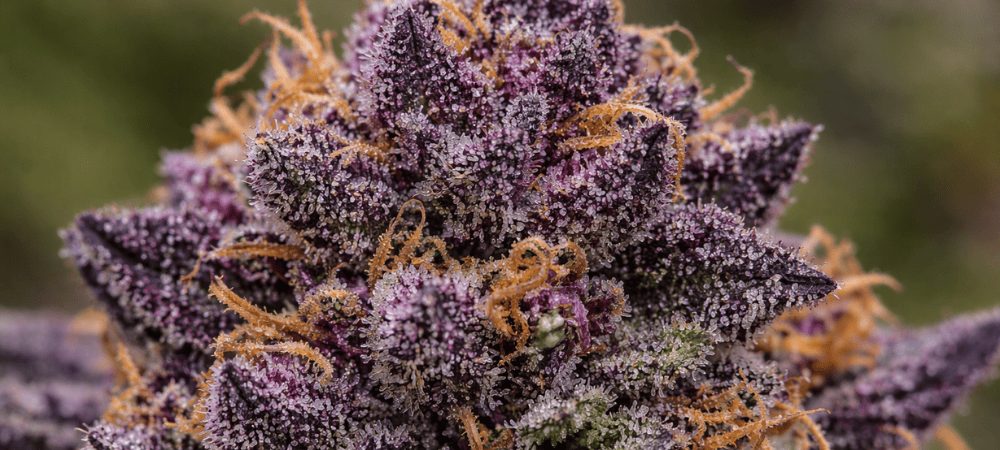
When this strain turns out well, it usually offers the kind of flower that appeals to both sight and touch: compact, full of nuances, and with a resin that reinforces its premium image. This visual aspect is, along with the color, one of its great appeals.
Not all commercial versions will respond the same, but in general, it is a strain that usually attracts the attention of those who appreciate dense flowers, a weighty aroma, and a quite powerful final image.
Frequently Asked Questions about this Kush strain
Is Purple Kush an easy strain to grow?
Does it smell a lot during flowering?
Does it respond well to pruning or control techniques?
Is it a good option for beginners?
What is the difference between the regular and auto varieties?
| Characteristic | Feminized Kush | Autoflowering Kush |
|---|---|---|
| Growth control | Greater | Lesser |
| Cultivation time | More flexible | Faster |
| Management | More room for intervention | More direct and simple |
| User profile | Those who want more control over cultivation | Those who prioritize speed |
| Cultivation type | Ideal for adjusting structure and size | Ideal for short cycles |