Personalized Attention +44 151 947 0713
 SHIPPING TO ALL

 9/10 Rating
 SALE TO MINORS PROHIBITED

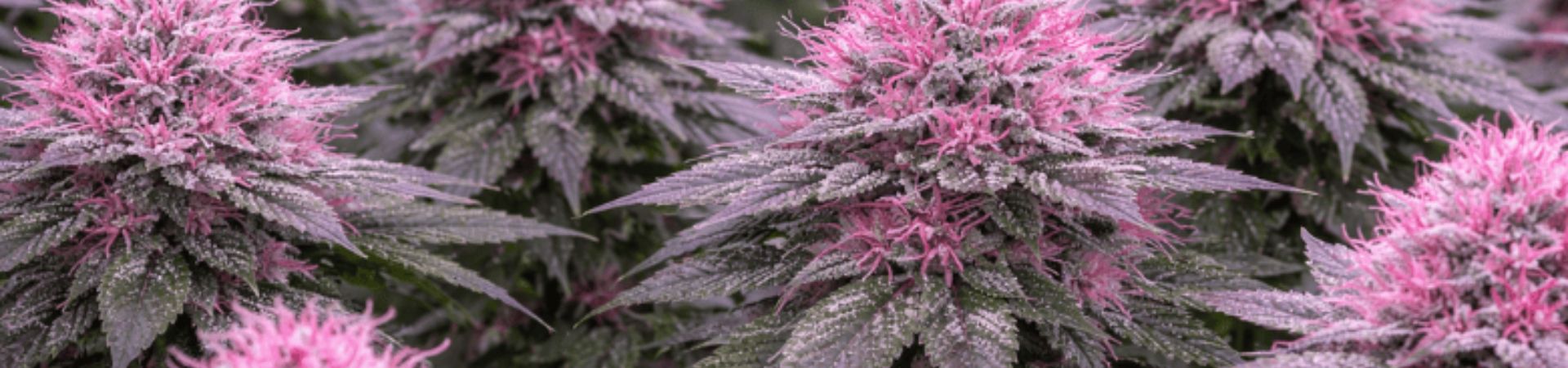
Pink weed is one of those concepts that sparks as much curiosity as confusion. For some people, it means literally pink buds; for others, strains that include the word pink in their name; and for many consumers, it’s an eye-catching aesthetic that raises questions about whether it’s something natural or just clever marketing. In this article, we break down what’s real behind pink weed, when it’s the result of genetics and natural pigments, and when you should be cautious of claims that look a little too perfect.
What “pink weed” really means
Before discussing causes and genetics, it’s important to clearly define the term. Pink weed is not a botanical category or an officially recognized cannabis variety. It’s a popular expression used to describe three different situations:
- Buds with pink or salmon-colored pistils
- Strains whose commercial name includes the word pink
- Flowers with an artificial or exaggerated pink color for aesthetic purposes
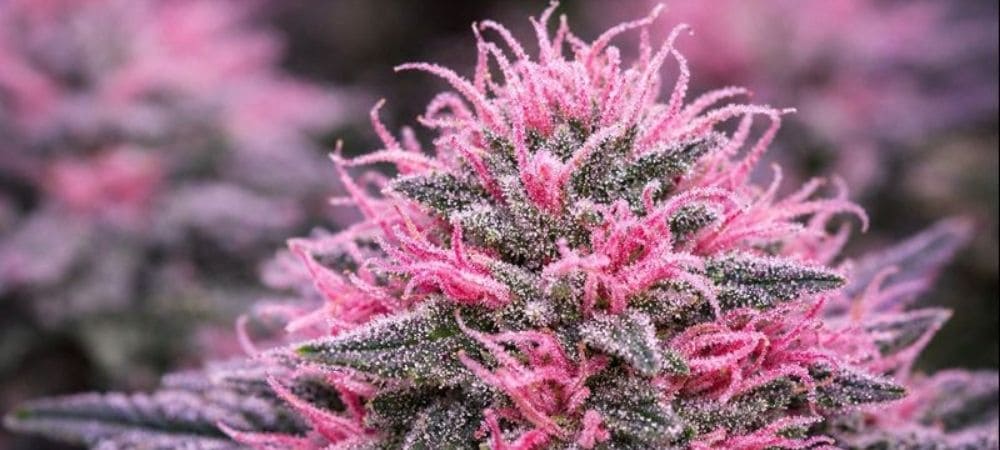
Understanding this distinction is key to avoiding disappointment and knowing what to realistically expect when someone talks about pink weed.
Pink pistils vs. fully pink buds
In most cases, when someone refers to pink weed, they mean pistils (the “hairs” of the flower) that have developed pink, reddish, or orange hues. This is relatively common in certain genetics and at specific stages of maturity. What is not common is finding naturally occurring buds that are completely pink throughout.
“Pink” as part of a strain name
Many well-known strains include the word pink in their name, such as Pink Kush or Pink Runtz. In these cases, the term usually refers to the lineage, aroma profile, or the occasional presence of pink pistils—not to a uniform pink color across the entire flower.
Why pink color can appear in cannabis
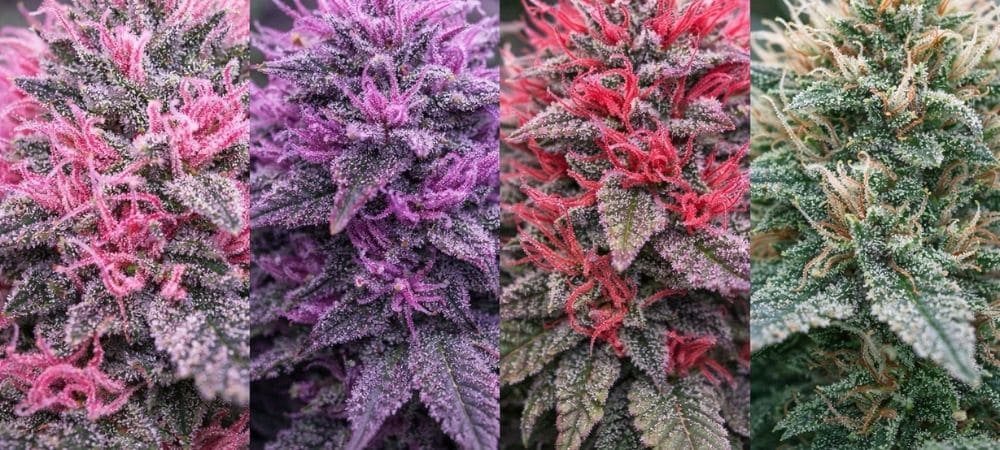
The color of cannabis is not random. It depends on the interaction between genetics, pigments, and environmental conditions. In most cases, pink weed can be explained by the same mechanisms that produce purple or reddish buds.
Anthocyanins and other pigments
Anthocyanins are natural pigments found in many plants. In cannabis, they may become more visible as chlorophyll levels decrease toward the end of flowering or when genetics favor their expression. These compounds produce purple, reddish, or pink tones, especially noticeable in pistils and calyxes.
Not all plants have the same ability to produce anthocyanins; that’s why even within the same strain, some plants may appear more “pink” than others.
The role of genetics
Genetics is the most determining factor. Some strains are more predisposed to displaying pink pistils or reddish hues. Others, even when grown under the same conditions, will never express those colors. This explains why two plants grown by different people can look significantly different.
Temperature and environment
Cooler temperatures during flowering can encourage anthocyanin expression, but they do not create color from scratch. If the genetics do not support it, lowering the temperature will not turn a green plant into pink weed. Forcing environmental changes in hopes of “miracle” results often leads to unnecessary plant stress.
| What “pink weed” can really mean | |||
|---|---|---|---|
| What you see | Likely cause | What to check | Risk level |
| Pink pistils | Natural pigments | Genetics and maturity | Low |
| Pink / purple hues | Anthocyanins | Temperature and phenotype | Low |
| Intense uniform pink | Possible artificial treatment | Aroma, texture | High |
“Pink” strains: what they promise vs. what pink weed really delivers
The rise of pink weed has gone hand in hand with the commercial success of so-called pink genetics. It’s important to understand what you can realistically expect from these strains.
Pink Kush
Pink Kush is probably the most well-known. Its name is associated with the occasional appearance of pink pistils and a sweet, floral aroma profile. However, most commonly the bud is green with pink or purplish accents—not completely pink.
Pink Runtz
Pink Runtz stands out more for its candy-like aroma and modern lineage than for an intense pink color. In some phenotypes, pink or purple hues may appear, but this is not a guaranteed trait.
Other “pink” varieties
There are other genetics marketed under the pink label, such as Pink Gorilla or Pink Mist, which often rely more on branding and aesthetics than on a dramatically different color. The term pink is usually suggestive—not an absolute visual promise of true pink weed.
| “Pink” genetics and their real meaning | |||
|---|---|---|---|
| Strain | Why it’s called pink | Expected color | Best suited for |
| Pink Kush | Pink pistils and intense Kush aroma | Green with pink accents | Kush profile enthusiasts |
| Pink Runtz | Pronounced sweetness and modern lineage | Green with occasional pink tones | Fans of candy-like flavors |
| Other “pink” strains | Commercial naming or aesthetic reference | Varies by phenotype | Those seeking a unique look |
Pink weed and marketing: when to be cautious
Not everything that shines is gold—and not all pink weed is natural. In an increasingly visual market, some products attempt to stand out through exaggerated or artificial colors.
Sprayed or altered cannabis
In some cases, flowers have been found treated with aromatic sprays, dyes, or coatings to enhance their appearance. These practices have nothing to do with genetics or the natural pigments of cannabis and may pose a risk to consumers.
Red flags to watch for
Some warning signs that should raise concerns:
- Overly uniform and unnatural pink color
- Excessively perfumed or artificial aroma
- Strange texture, sticky surface, or a noticeable outer “coating”
If a flower looks more like it belongs in a design catalog than on a plant, it’s wise to be skeptical.
How to choose wisely if you’re looking for pink weed
If you’re drawn to the aesthetics of pink weed, there are sensible ways to approach it without falling for misleading claims.
What to look for in seeds or genetics
- Reputable seed bank
- Real photos of different phenotypes
- Honest descriptions mentioning possible hues rather than guaranteed colors
- Observe the actual maturity of the bud
Seeking pink weed should be a secondary aesthetic preference. Quality, terpene profile, and genetic stability are far more important than the final color of the bud.
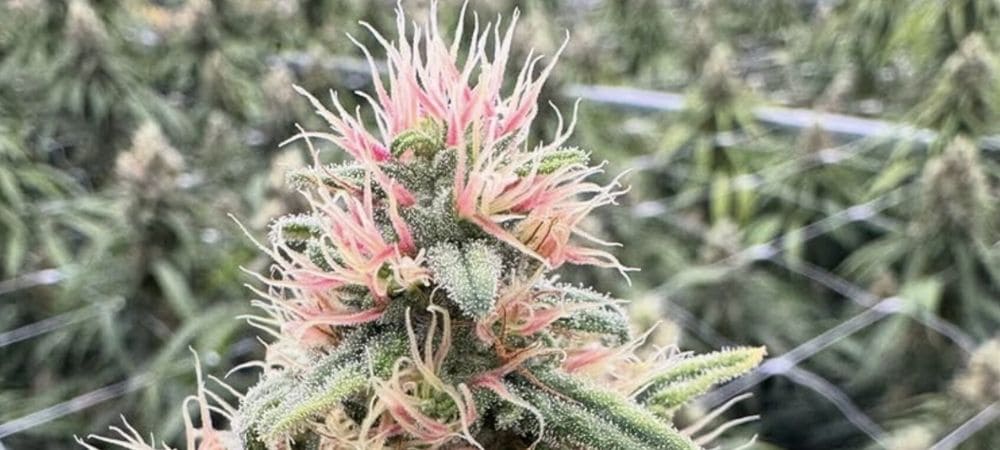
Pink weed is not an absolute myth—but it’s not a miraculous rarity either. In most cases, it comes down to pigmented pistils, specific genetics, and cultivation conditions, not literally pink flowers. Knowing how to distinguish between natural expression and marketing hype allows you to enjoy cannabis with informed judgment, rather than being guided solely by appearance.