Personalized Attention +44 151 947 0713
 SHIPPING TO ALL

 9/10 Rating
 SALE TO MINORS PROHIBITED

If you’ve noticed signs of overfertilization in your cannabis grow—such as downward-curled leaves and a deep green tone—it’s time to take action. This issue can seriously impact your plant’s health and reduce your harvest. In this article, we’ll explain why it happens, what mistakes can lead to it, how often to water with fertilizer, and how to fix it so your plants grow healthy and strong.
Overfertilized plant: signs and symptoms
An overfertilized plant shows:
- Leaves curling inward like claws.
- Deep dark green color, a sign of nitrogen excess.
- Burnt or dry tips.
- Stunted growth.
- Difficulty absorbing water.
Common growing mistakes that cause overfertilization
Here are the most common mistakes that can lead to excessive fertilization in your cannabis grow:
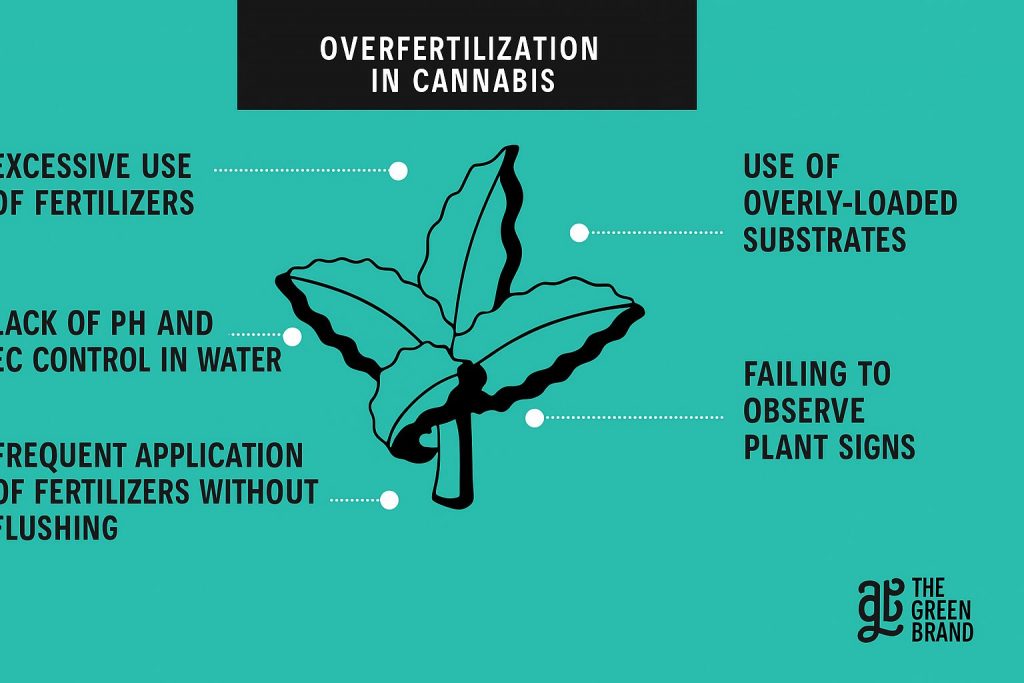
Overuse of fertilizers
Adding more nutrients than needed can saturate the substrate and cause toxicity. Always follow the manufacturer’s recommended doses and adjust according to your grow’s specific needs.
Lack of pH and EC control
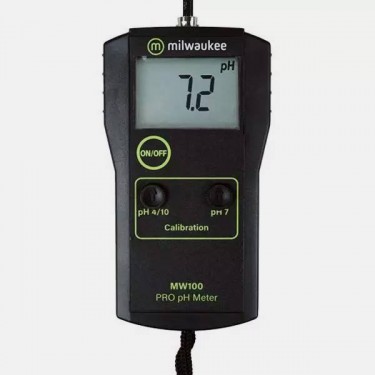
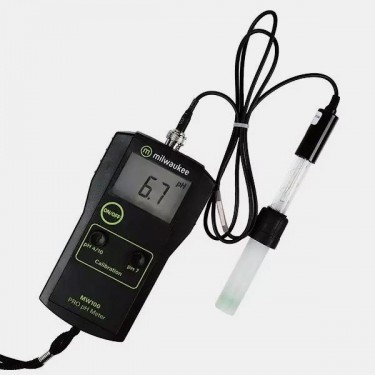
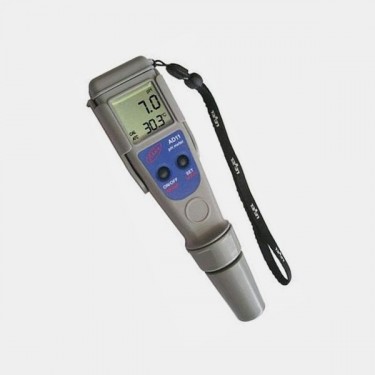
Incorrect pH levels can prevent nutrient absorption, leading to toxic buildups in the soil. Measuring electrical conductivity (EC) also helps prevent progressive overfertilization.


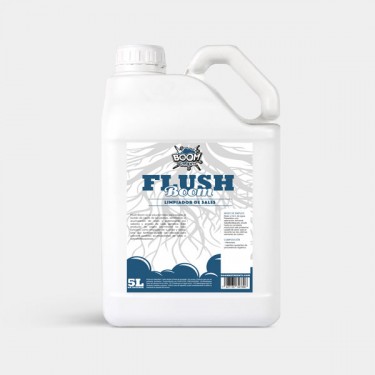
Frequent fertilizer application without flushing
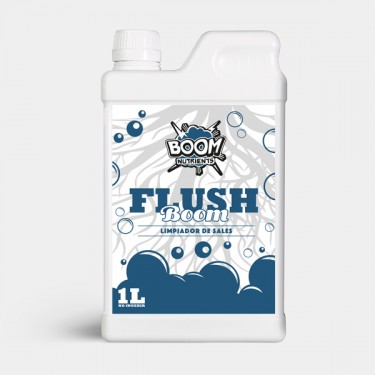
Constant feeding can cause salt buildup in the substrate, damaging root health. Periodic flushing is recommended to avoid nutrient lockout.
Using overloaded substrates
Some soil or coco mixes come pre-fertilized, which can cause issues if combined with additional fertilizers without dose adjustments.
Ignoring the plant’s signals
Each plant has unique needs. Overfertilization can be seen in overly green, downward-curling leaves or burnt tips. Monitoring plant response is essential before adding more fertilizer.
Each plant has unique needs. Overfertilization can be identified by overly green leaves, downward curling, or burnt tips. It’s essential to monitor how the plant responds before continuing to add fertilizers.
Overfertilized bud, does it exist?
Yes, when a plant is overfertilized, its buds can also be affected. An overfertilized bud typically:
- Has less aroma due to terpene alteration.
- Shows a dense structure but with less resin.
- Has a harsher taste when smoked.
- Retains more moisture and is more prone to mold or diseases.
- May contain chemical residues if proper root flushing was not done before harvest.
Prolonged overfertilization can compromise the quality of the final flower, affecting its taste, aroma, and effects.
Relationship between overfertilization and heavy metals in cannabis
Excessive use of fertilizers can lead to heavy metal accumulation in cannabis buds. Some fertilizers contain traces of elements like lead, cadmium, mercury, and arsenic, which can be absorbed by the plant and stored in its tissues. Besides overfertilization causing downward-curved leaves, it may also cause harmful symptoms for your health.
How does that affect health?
- Inhalation of heavy metals: Smoking cannabis with high levels of these elements can lead to inhalation of toxic particles, affecting the respiratory system.
- Long-term effects: Prolonged exposure to heavy metals can cause neurological, liver, and kidney damage.
- Altered cannabis effects: The presence of toxic residues may change the cannabinoid and terpene profile, affecting the user experience.
To avoid this problem, it is crucial to choose high-quality fertilizers and perform proper root flushing before harvesting.

Guide to prevent overfertilization
To prevent irreversible damage to your overfertilized plants, such as overfertilization and downward-curved leaves, follow these tips:
Controlled fertilizer application
- Follow the feeding chart recommended by the manufacturer and avoid exceeding doses.
- Alternate watering with plain water to avoid excessive nutrient buildup in the substrate.
- Use organic fertilizers instead of chemical ones for more natural and gradual absorption.
Monitoring pH and EC
- Measure the pH of irrigation water to ensure it is between 6.0 and 6.5 in soil, and between 5.5 and 6.0 in hydroponics.
- Check the electrical conductivity (EC) of the runoff to detect excessive salt buildup in the substrate.
Watering strategies to maintain healthy soil
- Avoid overwatering which can saturate the substrate and hinder balanced nutrient absorption.
- Use dechlorinated, high-quality water to minimize the impact of unwanted chemicals on the crop.
- Implement an efficient watering cycle, alternating between fertilized and clean water to avoid buildup.
Use of well-draining substrates
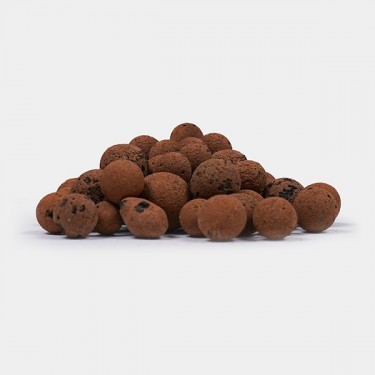
- Opt for airy mixes with perlite, coco fiber, or clay pebbles to prevent substrate compaction.
- Avoid overly clayey soils that retain excess water in plants and promote nutrient buildup.


Periodic root flushing
- Flush the roots every 4–6 weeks in heavily fertilized grows to eliminate salt buildup.
- Use pH-adjusted water in sufficient volume (three times the pot size) to clean the substrate without stressing the plant.
Continuous observation and adjustment
- Pay attention to your plant’s signals, adjusting fertilization if you notice signs of overfeeding.
- Avoid applying fertilizers if the plant already shows signs of nutrient excess.
Following these recommendations will help you avoid overfertilization in cannabis, ensuring healthy growth with better tasting and higher quality buds.
Differences between overfertilization and other deficiencies
Excess nutrients can easily be mistaken for deficiencies or issues like overwatering. It’s important to know how to distinguish them in order to act accordingly. Here’s a comparison table to help you identify the issue:
| Symptom | Overfertilization | Nitrogen Deficiency | Overwatering |
|---|---|---|---|
| Leaves | Burnt, discolored, or wilted leaves. | Yellowing leaves, especially older ones. | Pale and soft leaves, widespread yellowing. |
| Growth | Stunted or deformed growth, small leaves. | Slow growth, thin and weak plants. | Slow growth, roots show signs of rot. |
| Leaf tips | Burnt tips (veins intact). | Yellow tips, no burning. | Wilted and droopy tips. |
| Leaf color | Dark green with burnt edges. | Yellowing leaves, usually starting with older ones. | Yellowing without burning. |
| Leaf texture | Stiff or thick leaves. | Fragile and brittle leaves. | Soft and easily wilted leaves. |
Which fertilizers are safest to prevent overfertilization?
Comparison between organic and mineral fertilizers to avoid overfertilization and clawed leaves:
Organic fertilizers
Organic fertilizers, such as worm castings, guano, or compost, release nutrients more slowly, which helps prevent nutrient overload in the substrate. Their gradual release allows the plant to absorb only what it needs, when it needs it. Additionally, organic fertilizers are generally more eco-friendly and promote healthy microbial life in the soil.



Mineral fertilizers
Mineral fertilizers are more concentrated and fast-releasing, which can be advantageous in some cases, but also increase the risk of overfertilization if not used properly. Excess application leads to nutrient buildup and potential toxicity in the substrate.




Why use balanced fertilizers for each growth stage?
Each phase in the plant’s life cycle requires a different nutrient balance:
- Vegetative phase: Needs more nitrogen (N) to promote foliage and stem growth.
- Flowering phase: Needs more phosphorus (P) and potassium (K) to support flower development. For a more sustainable option, you can make your own homemade flowering fertilizer, or check out the best flowering fertilizers on our website.
- Resting or post-harvest phase: Requires minimal fertilization, so it’s important to avoid nutrient excess during this time.
Using fertilizers tailored to each stage will help prevent overfertilization by supplying only what the plant really needs.
How does plant genetics affect overfertilization?
Some cannabis strains tolerate nutrients better than others, which can influence their risk of overfertilization. Here are a few examples of strains that typically require less feeding:
- Sativa varieties: Usually more resistant to overfertilization and can tolerate higher nutrient concentrations, though adjustments should still be made as needed.
- Indica varieties: Tend to be more sensitive to nutrients, making them more prone to overfertilization if not monitored closely.
- Autoflowers: Typically have medium nutrient tolerance. Due to their shorter life cycle, they don’t need heavy feeding. Slow-release fertilizers are recommended to avoid excess.
When choosing a strain, consider the recommendations of each seed bank, as each genetics has its own specific nutritional and growing needs.
Overfertilization in cannabis is preventable with proper nutrient and watering management. Identifying early signs, such as clawed leaves from overfertilization, allows you to act quickly and prevent losses in your grow. A balanced and preventive approach ensures top-quality buds and a successful growing experience.
Products in this article



 Add as preferred source in Google