Personalized Attention +44 151 947 0713
 SHIPPING TO ALL

 9/10 Rating
 SALE TO MINORS PROHIBITED

When growing cannabis, every detail matters. From the seed genetics to lighting, irrigation, and nutrients, everything influences the plant’s structure and final yield. Because of this, it’s important to understand how different growth features develop. In particular, nodes and internodes—along with the internodal distance—play a major role in shaping the plant. Together, these three elements act as key factors that determine the overall shape, size, and productivity of each plant.
What nodes and internodes are in a cannabis plant
The node is an essential growth point. It is the spot on the stem where lateral branches and leaves emerge—the connection between the main stem and its branches, or between a branch and its new shoots. As the plant grows, it develops new nodes either alternately or symmetrically, depending on genetics and growth stage.
Moreover, these points can also show the first signs of the plant’s sex. If two fragile white hairs appear at a node, those are pistils, which means the plant is female. If instead you find a small round pouch resembling a tiny cluster of grapes—a pollen sac—the plant will be male.
Nodes contain the meristematic tissues responsible for growth and branching, and because of this, each node serves as a potential development point. From these points, a branch or flower can form, and—even when handled correctly—a viable clone may emerge.
The internode, on the other hand, is the section of the stem that separates one node from the next. It may appear to be a simple gap, but in reality, its length has significant implications. For example, plants with short internodes tend to grow compact and bushy, while those with longer internodes usually stretch more and develop a more open structure.
As a result, the internodal distance describes the length between consecutive nodes and is directly shaped by genetics, light intensity, temperature, and other environmental factors. Taken together, these influences play a major role in how the plant ultimately forms and expresses its structure.

Internodal distance: A key indicator of balanced growth
The internodal distance is what allows growers to determine whether a cannabis plant is growing in a balanced way or receiving environmental signals that cause it to stretch more than necessary.
When growers observe a short internodal distance, it is usually a positive sign: it indicates proper lighting, compact genetics, and good environmental control. In contrast, long internodal distances often indicate excessive heat, insufficient light, or an improper photoperiod.
Factors that influence internodal distance
Internodal distance is not random; it is shaped by several factors that influence cannabis development. Understanding what affects nodes and internodes allows growers to maintain balanced growth and maximize plant potential. Below are the main factors that influence internodal distance and how to manage them effectively.
- Genetics: Indica strains typically have shorter internodes, resulting in shorter, denser plants. Sativas, on the other hand, develop longer internodal distances, giving them a taller, more elongated shape.
- Light: Light intensity and spectrum are crucial. Weak or poorly distributed lighting causes the plant to stretch toward the source, lengthening the internodes.
- Temperature and humidity: Excessive heat or very high humidity can stress growth and alter internodal development.
- Nutrients and irrigation: Both insufficient and excessive nitrogen can modify internodal distance and affect stem strength.
- Training and pruning: Techniques such as LST (Low Stress Training) or topping directly influence nodes and internodes, redistributing growth energy.

How to control internodal distance for better yields
The key to managing cannabis growth is maintaining a balanced internodal distance. Measuring internodal distance is simple: all you need is a ruler or measuring tape to determine the space between two consecutive nodes on the main stem.
In young plants, internodal distance is usually short (1–3 cm), while vigorous-growing plants may exceed 5 cm. Recording these measurements every few days helps identify imbalances and adjust conditions before they negatively affect overall development.
This not only improves the plant’s overall structure but also enhances bud production by allowing better light penetration and airflow between branches.
Adjusting light and distance to the plant
Placing a grow light too far away will cause excessive stretching between nodes and internodes. Conversely, placing it too close can burn the leaves or cause light stress. The ideal distance depends on the type of fixture (LED, HPS, CMH, etc.), but the key is maintaining a balance between intensity and temperature to promote a uniform internodal distance.
Regulating temperature and ventilation
Keeping daytime temperatures between 75–82 °F and nighttime temperatures around 64–68 °F helps stabilize growth. Constant airflow also strengthens stems and improves the structure of the nodes and internodes, preventing excessive stretching.
Proper nutrition
An excess of nitrogen can cause very long internodes, especially during the vegetative stage. Using balanced, high-quality fertilizers helps keep the internodal distance short and strengthens the nodes, enabling them to support the weight of buds during flowering.

Nodes and internodes: How they shape the plant
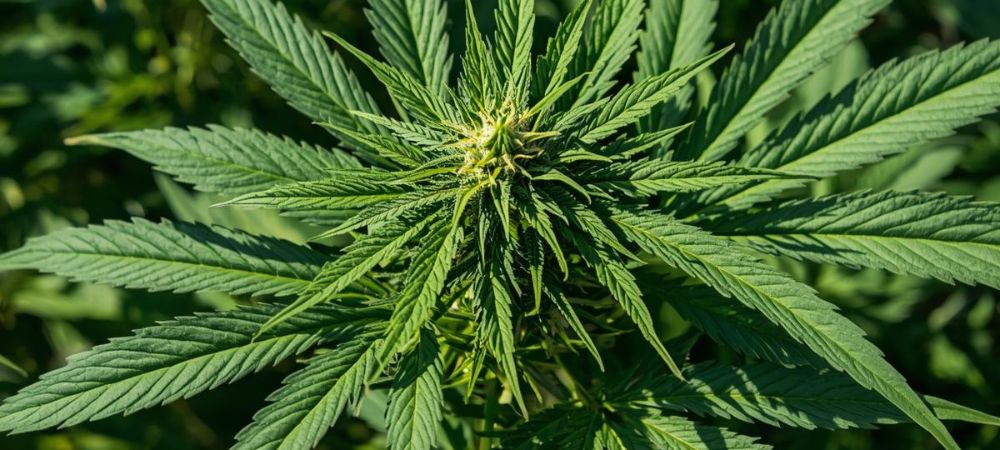
Plants with short nodes and internodes tend to form a dense canopy, which is ideal for indoor grows where space is limited. In contrast, plants with wider internodal spacing develop a taller, airier structure, better suited for outdoor growing or certain training techniques.
Understanding the exact location of each node and internode is essential for applying pruning techniques correctly, such as topping, fimming, or super cropping. These methods help shape the plant and stimulate lateral growth, using the nodes to create new flowering sites.
Indoors, where artificial light mimics the sun, controlling internodal distance is crucial to prevent plants from touching the light fixture or competing for exposure. Proper management of nodes and internodes ensures balanced growth, an even distribution of energy, and more uniform buds.
How to use knowledge of nodes and internodes to your advantage
Understanding the function of nodes and internodes not only improves cultivation techniques but also allows growers to tailor each grow to their available space, genetics, and production goals. By controlling internodal distance, growers can guide the plant’s energy toward a more robust structure capable of supporting heavier flowers and receiving better light exposure.
Benefits of proper control
- Greater uniformity and improved overall plant appearance.
- Larger, more consistent buds.
- Better use of space and lighting.
- Reduced risk of mold and humidity issues caused by excessive density.
Nodes and internodes are much more than simple segments of the stem. They are natural indicators of how your plant is developing and whether the growing environment is appropriate.
Internodal distance, in turn, is the measurement that reflects the balance between genetics, lighting, temperature, and nutrition. Mastering these concepts will help you grow more controlled, resilient, and productive plants, optimizing every stage of cultivation.
Ultimately, understanding the relationship between nodes, internodes, and internodal distance is one of the keys to achieving higher-yielding, higher-quality cannabis harvests.




 Add as preferred source in Google