Personalized Attention +44 151 947 0713
 SHIPPING TO ALL

 9/10 Rating
 SALE TO MINORS PROHIBITED
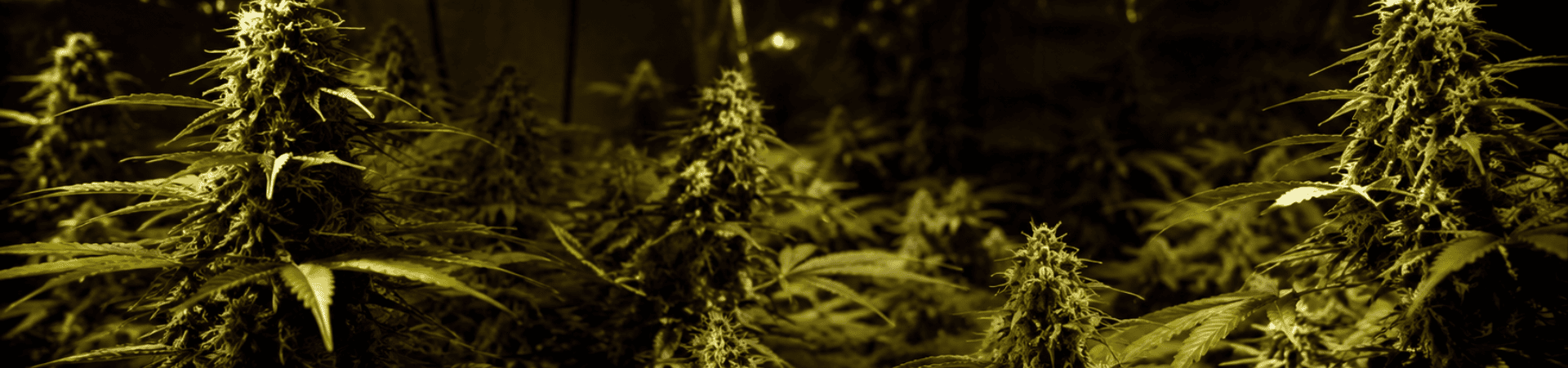
Narco movies have created a very specific image of cannabis: secret grows filled with enormous plants, rooms lit in any old way, characters who smoke non-stop, and harvests that seem to appear as if by magic. It’s all very intense, very visual, and very cinematic.
But what works on screen is one thing, and what happens in a real grow is quite another. Hollywood needs pacing, tension, and striking scenes. In contrast, a cannabis plant needs time, environmental control, proper light, ventilation, irrigation, nutrition, and quite a bit more patience than is usually shown in a movie.
From Scarface to Narcos, and even closer references like Fariña, audiovisual media has built a very recognizable aesthetic around drug trafficking. However, when cannabis appears in these types of stories, it is often shown in an exaggerated, simplified, or downright unrealistic way.
Why do narco movies distort the image of cannabis?
Narco movies are not designed to teach how to grow cannabis. Their goal is to entertain, create tension, and build a recognizable visual atmosphere: money, chases, clandestine operations, dramatic lighting, and green plants everywhere.
That is why many important details disappear. On screen, there is almost never any talk of measuring pH, adjusting humidity, checking the temperature, preventing fungi, installing proper extraction, or choosing the right lighting. Nor is the daily work behind any well-managed grow usually shown.
The problem is that this image can create false expectations. Anyone who only knows cannabis from the movies might think that all you have to do is put some plants under any light and wait. In reality, growing requires planning, monitoring, and basic knowledge to avoid mistakes. That is why, before starting, it is advisable to consult an indoor marijuana growing guide for beginners that explains the basic steps from the start.
The myth of easy growing in narco movies
One of the great myths repeated in many narco movies is that cannabis grows practically on its own. You see huge plants in basements, warehouses, or makeshift rooms, but it is rarely shown what it takes for those plants to reach the end in good health.
In a real grow, each phase has its needs. Germination, growth, and flowering do not work the same way. The plant changes, consumes differently, and responds to the environment according to the light, temperature, humidity, substrate, and available nutrition.
Furthermore, not everything depends on “adding water and waiting.” Overwatering can suffocate the roots, poor ventilation can encourage fungi, humidity that is too high can complicate flowering, and poorly adjusted light can cause stress or low yields.
Here is one of the great differences between cinema and reality: in movies, everything moves fast; in growing, every decision influences the final result.
Cinema simplifies cannabis to make it more visual, but a real grow depends on technical factors such as light, ventilation, humidity, irrigation, nutrition, and pest prevention.
Movie grows vs. real grows
In many narco movies, grows appear as spectacular sets: hundreds of perfectly placed plants, powerful lights, ambient smoke, and an almost laboratory-like aesthetic. However, those sets usually leave out the less flashy but more important part.
A real grow needs balance. It is not enough to have many plants or a powerful lamp. You also have to control the space, renew the air, avoid heat buildup, maintain adequate humidity, and observe how the plant responds to each change.
| Aspect | Narco movies | Real grow |
|---|---|---|
| Growing time | Seems fast and simple | Requires weeks or months depending on the variety and conditions |
| Lighting | Shown as a simple visual element | Must adapt to the plant’s phase, power, and space |
| Odor | Almost never mentioned | Can be intense, especially during flowering |
| Ventilation | Usually appears as secondary | Key for renewing air and controlling temperature and humidity |
| Pests and fungi | Practically non-existent | Real risks if there is no prevention and environmental control |
| Nutrition | Hardly explained | Must be adjusted according to phase, substrate, and plant response |
| Harvest | Seems immediate | Depends on maturation, drying, and subsequent curing |
What Hollywood doesn’t tell you about light, odor, and ventilation
If there are three aspects that narco movies tend to simplify, they are lighting, odor, and ventilation. And these are precisely three of the most important points in an indoor grow.
Light is not just for the plant to “look green.” It directly influences its development, structure, growth rate, and flowering. Poorly chosen or poorly placed lighting can lead to weak plants, stress, burns, or inefficient use of space.
Odor is another great forgotten element. In many scenes, characters enter and leave rooms full of plants as if it were nothing. In reality, during flowering, the aroma can be very intense and needs to be managed correctly using extraction systems, air renewal, and suitable filters. To delve deeper into this point, you can consult this guide on how to eliminate odor in an indoor grow.
Ventilation is also fundamental. A closed, hot, and humid space can become a perfect environment for fungi or development problems. That is why, in a real grow, you don’t just think about the light, but about the entire environment surrounding the plant.
Not everything that appears in a movie or series about cannabis should be taken as a reference. Many scenes are designed to be visually impactful, not to represent a functional grow.
Fake marijuana in movies: sets, props, and artificial plants
Another curious point is that many cannabis scenes in film and television don’t even use real plants. Shoots may use artificial plants, herbal blends, props, or sets prepared to make everything look more abundant, greener, or more striking on camera.
This makes sense from an audiovisual point of view. A production needs to control the image, lighting, continuity between scenes, and the safety of the shoot. But it also reinforces the important idea: what we see on screen does not have to represent what a real grow is like.
In some scenes, the plants are placed to fill the frame, not to meet growing criteria. The distance between them, the lighting, the ventilation, or the state of the flowers may be designed to make the image work, not for the grow to be viable.
That is why, when talking about cannabis in movies, it is advisable to separate aesthetics from reality. A scene can be visually spectacular and, at the same time, not make much sense from a technical point of view.
Narco movies and cannabis culture: when fiction influences reality
Although many narco movies exaggerate or distort cannabis, it is also true that movies and series have greatly influenced popular culture. Some varieties, names, scenes, or ways of representing consumption have ended up becoming part of the collective imagination.
A well-known example is Pineapple Express. The movie helped popularize a name that ended up being associated with real varieties and a specific aesthetic within cannabis culture. In these types of cases, fiction not only represents a reality but can also influence how the public perceives it.
In Spain, series like Fariña have brought a more local vision of drug trafficking to the general public, with codes, settings, and references much more recognizable than major Hollywood productions. Even so, when cannabis appears on screen, there usually remains a clear distance between the audiovisual narrative and the technical work behind a real grow.
The problem of believing movie myths about cannabis
The biggest problem with these representations is not that they are exaggerated. After all, cinema needs to dramatize. The problem appears when those images are taken as a real reference.
Thinking that a grow does not need planning can lead to mistakes from day one. For example, choosing an inadequate light, not controlling the climate, using an inappropriate substrate, overwatering, or not taking odor into account during flowering.
It can also generate a wrong expectation about timing. Cannabis does not respond to the rhythm of a scene. Each variety has its cycle, each phase requires different care, and each environment can change the plant’s behavior.
Another common myth is thinking that more is always better: more water, more fertilizer, more light, or more plants. In reality, a healthy grow depends more on balance than on excess. A plant needs to receive what it requires at each moment, not an accumulation of uncontrolled stimuli.
Narco movies: entertainment yes, growing manual no
Narco movies can be entertaining, intense, and visually very powerful, but they should not be taken as a guide to understanding cannabis. Their goal is to tell stories, not to explain how a plant works or what it needs to develop correctly.
The reality of growing is much more technical and less cinematic. You have to measure, observe, adjust, and prevent. You also have to have patience, because the plant does not advance at the pace set by a script.
That is why the great lie of Hollywood is not just showing impossible grows, but making them seem easy. Real cannabis is not understood from an action scene, but from knowledge, practice, and respect for each phase of the plant.



 Add as preferred source in Google