Personalized attention +34 96 206 62 98
 Free shipping to Iberian Peninsula from 30€
 9/10 Rating
 Discreet shipping

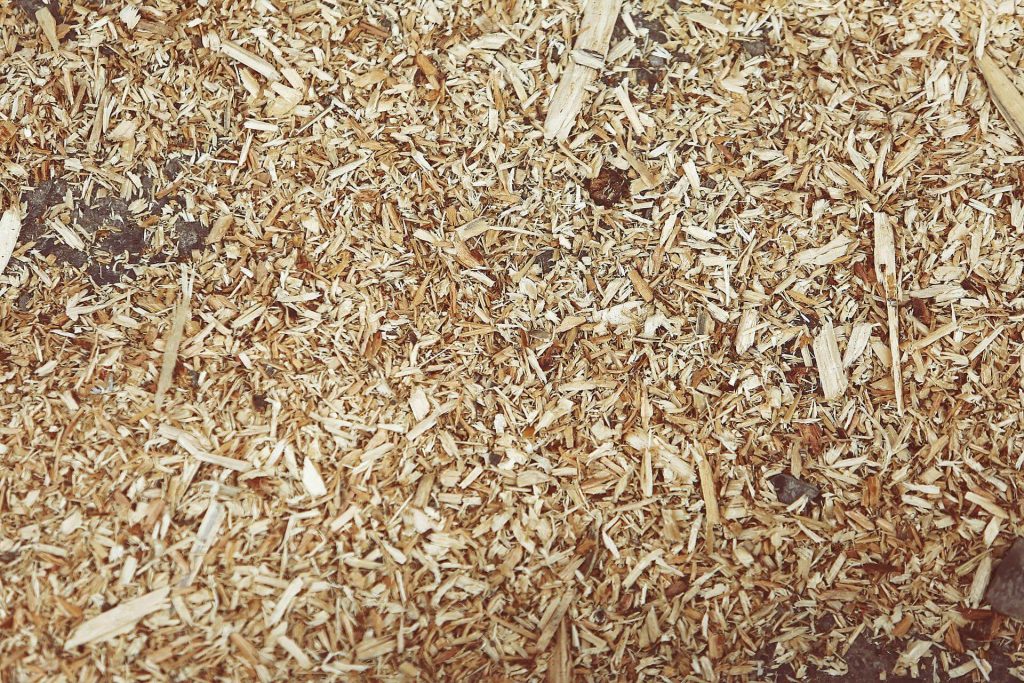
Mulch is an organic or inorganic base that protects the plant. This layer is placed over the substrate and provides nutrients, improves the quality of the soil and stabilizes the temperature, among others. Adding mulch over the plant’s substrate is beneficial for the plant and for its final yield. It is also easy to do as it is made of easy to find materials
When you start a marijuana grow, it’s very important to see and interpret the processes plants go through when they are in nature as their natural habitat is where you can learn what plants need and how to provide it for them.
When is mulching recommended?
We have already learned a lot of things from nature. First of all, it provides nutrients, which is what we do by adding fertilizers. We also provide them the necessary light for each cultivation phase, just like the sun and the different seasons. Lastly, we adjust humidity and temperature using fans, extractors and air conditioners to make sure that plants don’t suffer stress and grow properly.
However, Mother Earth provides plants with plenty of more things when they grow in nature, therefore, learning different tricks can make a big difference to the yield. Growers are now starting to use the mulch technique, which provides plenty of benefits to cannabis plants.
The mulch is highly beneficial, especially when conditions are unfavorable, such as guerrilla crops or places where the weather is either too hot or too cold. A mulch is way more useful in outdoor crops, as we have other ways to control temperature and humidity when the grow takes place indoors.
The norm for growers is to apply 3-7 cm of mulch. Equilibrium is the key as the amount used will determine when it needs to be changed before it has a negative effect on the natural processes of the plant, such as nutrient absorption or roots rotting. However, adding a thick mulch layer will provide instant benefits.
[ppgbo products=”5090,6046,7175″ language=”en”]
What benefits does mulch provide to cannabis plants?
- It stabilizes the temperature in the substrate: Protects the roots in winter and retains humidity during the summer. It also reduces irrigation needs, thus saving water and promoting environmentally friendly actions.
- Improves the substrate’s lifespan: earthworms, fungi and microorganisms feed from the mulch, improving soil’s porosity.
- Promotes nutrient absorption. Organisms that live in the mulch are in charge of decomposing the nutrients and making them more accessible to plants.
- Protects the soil from sun rays, erosion and weeds that can otherwise absorb nutrients destined to marijuana plants.
- Acts as a plague protector as it makes it harder for external agents, such as insects or aphids to reach the plants.
Materials suitable to make a mulch
It’s possible to make a mulch with organic and with inorganic materials, depending on what you have access to. The recommendation is to add some nitrogen to the mulch, especially during the growth period. Some of the material that can make a good mulch are the following:
- Traces of weeds: It’s best to dry them beforehand, or they can ferment the substrate of your cannabis grow.
- Bits of branches: They add durability. You need to grind them before using them. They are an excellent option due to the amount of microorganisms they contain.
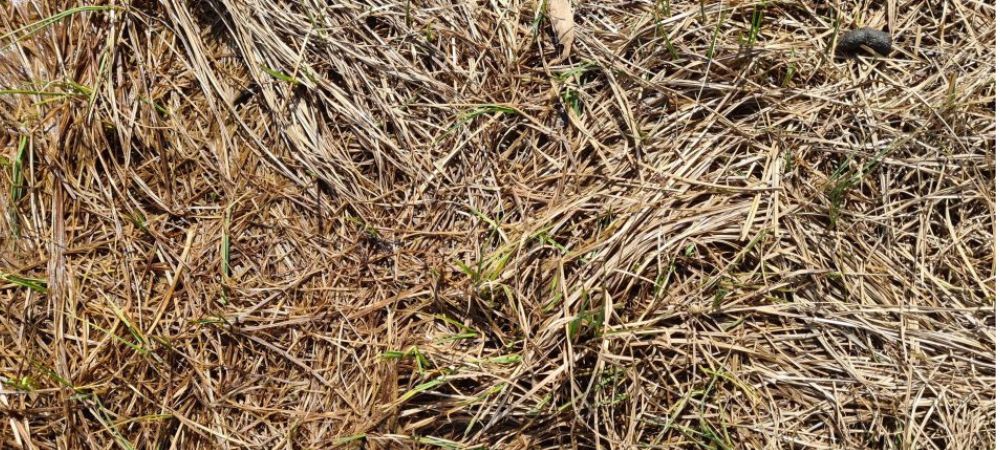
- Straw: Rich in carbon. It retains humidity very efficiently and it’s a bacteria and fungi repellent.
- Bark: This material is very long lasting. You need to add nitrogen when using it to promote the absorption of this mineral.
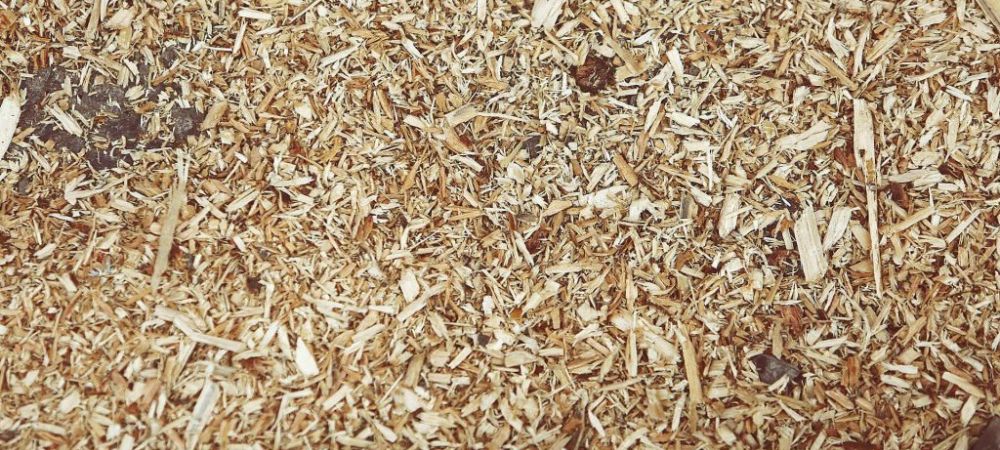
- Sawdust: Doesn’t require any additional treatment. Combine with wood chips to increase its decomposition time.
- Cardboard: Its high cellulose content makes it a great hiding place for beneficial microorganisms. However, you need to make sure that it doesn’t have any non-degradable or toxic materials.
- Shredded newspaper: As newspaper’s ink doesn’t contain lead anymore, it is a good mulch option. It retains water very well and prevents weeds from showing up. However, it doesn’t have a very long lifespan.
These are the most common mulch materials, but it is possible to make it with plenty of other components, such as corn kernels, seed hulls, leaves, seaweed, wood or even plastic; although expert growers think plastic should be avoided unless it is specifically intended for gardening purposes.
The best mulch is the one that combines various materials in order to maximize the beneficial properties of each of them. Combining a few of the options already mentioned is quite common.
Types of mulch depending on the marijuana phase
Mulch is a base that provides nutrients and improves the quality of the soil, but just like it happens with cultivation techniques, the needs of the plants vary depending on their growth phase and the conditions of the crop. Therefore the mulch needs to adapt to the different phases of the cannabis plant:
- Germination and growth: During the early growth stages, the best option is to opt for an organic and green mulch made of leaves and plant traces. An interesting trick is to use leftovers from previous crops to make it. A high nitrogen content will help plants grow and develop properly.
- Flowering period: For this phase, it is best to move on to a brown mulch made with branches, bark or straw in order to acidify the soil and keep pH levels within the perfect ranges to promote flowering and favor the absorption of phosphorus and potassium.
In essence, placing a mulch over the substrate of our cannabis grows is very easy and cheap. It has plenty of advantages that increase the quality of our yields and sort out problems arising due to unfavorable weather conditions.





 Add as a preferred source on Google