Personalized attention +34 96 206 62 98
 Free shipping to Iberian Peninsula from 30€
 9/10 Rating
 Discreet shipping


In most plants, the flower is the organ that allows reproduction. It can have male and female organs. The female organ, called the gynoecium, has a pistil with stigma, style, and ovary, and produces ovules. The male organ is called the androecium and has stamens made up of an anther and a filament that produce pollen. Therefore, monoecious and dioecious plants can be differentiated.
Plants can have different reproduction systems, resulting in various reproductive system organizations. In this article, we will focus on monoecious and dioecious plants, called “diclinous”, and how each type functions.
What are monoecious plants?
The term “monoecious” comes from Greek, with “mono” meaning “one” and “oikos” meaning “house.” In summary, “monoecious” means “one house.” It refers to plants that function through monoecy, having both male and female sex organs. This results in male and female flowers on the same plant, which can be described as bisexual.
The downside of monoecious plants lies in their limited genetic mix: the plants reproduce among themselves, leaving little opportunity for other DNA to be involved, reducing the chances of crossbreeding and thus hindering genetic diversity.
A special case: hermaphroditism
Sometimes, hermaphroditic plants have both male and female organs in the same flower (while monoecious plants usually have them on the same plant). These are called “perfect flowers” or “monoclinous flowers.” They belong to the monoecious plant family but are a special case.
Many plants are actually hermaphroditic. In the case of cannabis plants, hermaphroditism can be induced by stress, as seen with cannabis seeds.
Hermaphroditism in cannabis occurs when a single plant develops both male and female sex organs, enabling self-fertilization. This behavior can be triggered by various stress factors, such as abrupt light cycle changes, adverse environmental conditions, or physical damage. Hermaphroditic plants concern growers since the presence of pollen in the same crop can fertilize female plants, leading to the production of seeds instead of high-quality flowers. Hence, it is crucial to maintain a stable growing environment and closely monitor plants to effectively manage hermaphroditism.
Reproduction method
Even with both male and female attributes, monoecious plants do not necessarily self-fertilize. They sometimes use strategies to avoid self-fertilization and allow diversification, known as dichogamy. Dichogamy prevents the simultaneous maturation of male and female sex organs. When male organs appear first, it is called protandry. When female organs appear first, it is called protogyny. Some examples of monoecious and hermaphroditic plants include:
- Corn
- Coconut
- Almond
- Eucalyptus
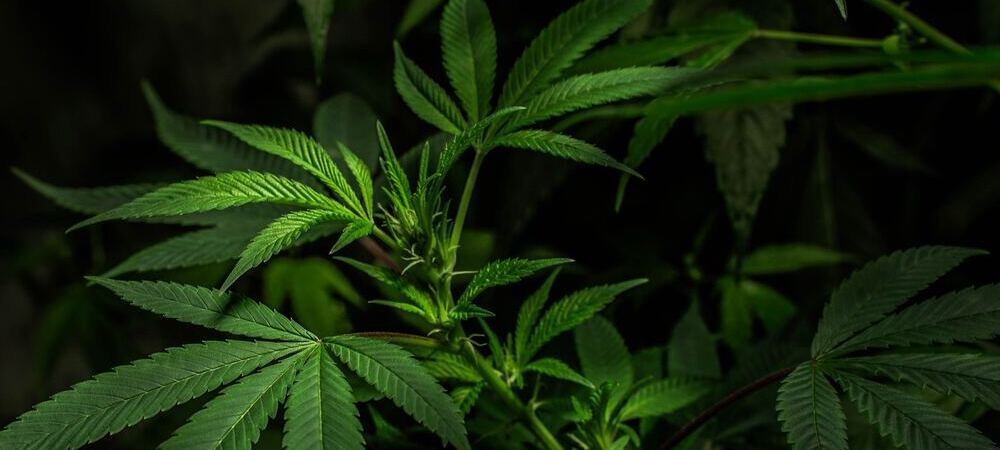
Dioecious plants: definition
Dioecious plants produce either male or female flowers: each individual has its own sex, so they are referred to as unisexual plants. This phenomenon is called dioecy, which opposes monoecy and is quite rare as plants tend to be more monoecious. This allows plants to enrich their genetic makeup by crossbreeding more easily with other plants.
Reproduction method
The disadvantage of dioecy lies in the difficulty of reproduction, as dioecious plants depend on individuals of the opposite sex to perpetuate the species. Dioecious plants need other plants to reproduce and rely on pollinators such as animals, insects, or the wind. Examples of dioecious plants include:
- Actinidia (kiwi tree)
- White mulberry
- Avocado
- Pistachio
Cannabis: monoecious or dioecious?
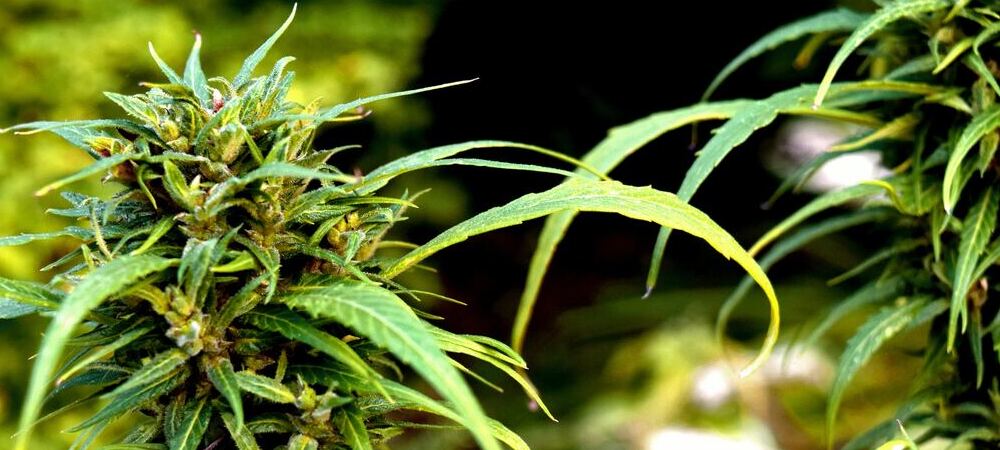
Surprisingly, cannabis can be both monoecious and dioecious. Naturally, cannabis is dioecious (as seen with regular cannabis seeds), meaning there are male and female marijuana plants. This allows growers to classify their crops by gender to increase yields and, nowadays, find “feminized” cannabis varieties that only contain female cannabis plants to optimize cultivation.
The dioecy of cannabis also allows growers to crossbreed varieties, bringing male and female plants with different characteristics together to produce individuals with the benefits of each genetic line.
However, as explained, cannabis (especially feminized seeds) can trigger hermaphroditism, presenting both male and female flowers, which is a major concern for many cannabis growers. In this case, it is monoecious monoclinous cannabis. Therefore, it is essential to correctly differentiate between monoecious and dioecious plants.






 Add as a preferred source on Google