Personalized Attention +44 151 947 0713
 SHIPPING TO ALL

 9/10 Rating
 SALE TO MINORS PROHIBITED

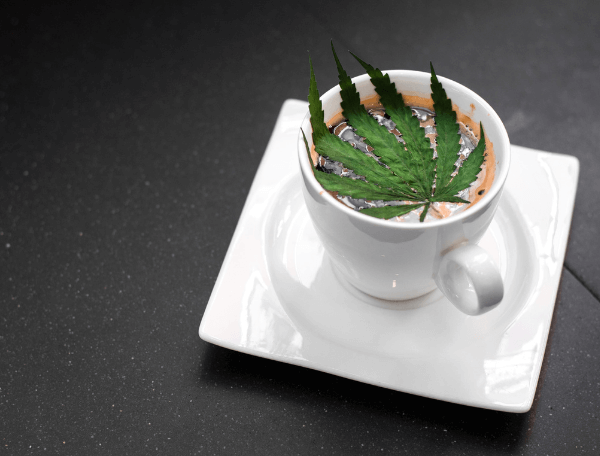
Marijuana is capable of helping to mitigate the effects caused by various serious illnesses thanks to its active ingredients. However, the lack of regulation of the substance in many countries around the world means that the study of medicinal marijuana is years behind, and its potential in the field of health is not being fully utilized.
Although small steps have been taken in Spain in recent years toward updating cannabis legislation, there is no evidence that it will happen in the short term, even though it has been successfully implemented in countries such as Germany, Portugal, Denmark, or Greece.
National legal status of marijuana
Currently, medicinal marijuana remains illegal in Spain. In contrast, isolated cannabidiol (CBD) has begun to be used for the manufacture of creams, CBD oils, and medications to alleviate certain dermatological manifestations such as eczema, or symptoms of chronic diseases like muscle spasms and pain in multiple sclerosis patients, among others.

GB 10% CBD Oil
It is possible that these types of treatments will begin to become more common thanks to a ruling issued by the Court of Justice of the European Union (CJEU) on November 19, 2020, which stated that CBD is not explicitly included in the international and European Union list of psychotropic substances. It strengthened the argument by declaring that this cannabidiol “does not appear to have any psychotropic effect or any harmful effect on human health on the basis of available scientific data.” Even so, the prohibition of CBD would not influence the marketing of a synthetic CBD with the same properties.
However, during 2021, a political party proposed new cannabis legislation that aimed to legalize possession, cultivation, and consumption in the private sphere so as not to hinder people with serious conditions who can be treated with marijuana. At the same time, self-cultivation and self-consumption would be regulated with specific cubic meters of plantation and daily milligrams consumed.
For now, the use of medicinal cannabis is limited to certain products based on CBD flowers. Although the penal code does not consider the consumption, possession, and cultivation of marijuana for personal use a criminal offense, it does not mean that it is not reportable and punishable by a financial fine, which usually ranges between €601 and €30,000.
Benefits of medicinal marijuana
Medical-grade cannabis is what marijuana is called when it has passed a quality control check and would have the green light to be used medicinally according to the CANNA Foundation. The cannabinoids of interest for medicine are, above all, THC and CBD. Efficacy has been demonstrated in both against serious and chronic symptoms of certain conditions. However, the psychotropic active ingredients of tetrahydrocannabinol (THC) do not make it suitable for use as a medical treatment. Despite this, the rest of its active ingredients make it just as valid as CBD for treating certain symptoms.
There is a long list of beneficial therapeutic effects of cannabis for many serious diseases:
- Muscle relaxant
- Analgesic
- Anxiolytic
- Antioxidant
- Immune system regulator
- Appetite stimulant
- Anti-inflammatory
- Antitumor
- Prevents nausea and vomiting
- Anticonvulsant and antispasmodic
- Antiseptic
- Anxiolytic
- Sleep aid
- Repairer and protector of nervous tissue
The list of diseases to which therapeutic marijuana can be applied is almost as extensive as the list of its benefits. So far, the diseases in which its effect has been most studied are multiple sclerosis, where it reduces muscle spasms and chronic pain; AIDS, to combat wasting syndrome; glaucoma, to relieve eye pressure; epilepsy, to control seizures; cancer, to slow the development of tumors and nausea caused by chemotherapy; or Alzheimer’s, by slowing the expansion of amyloid plaques that are created in the brains of people affected by this disease.
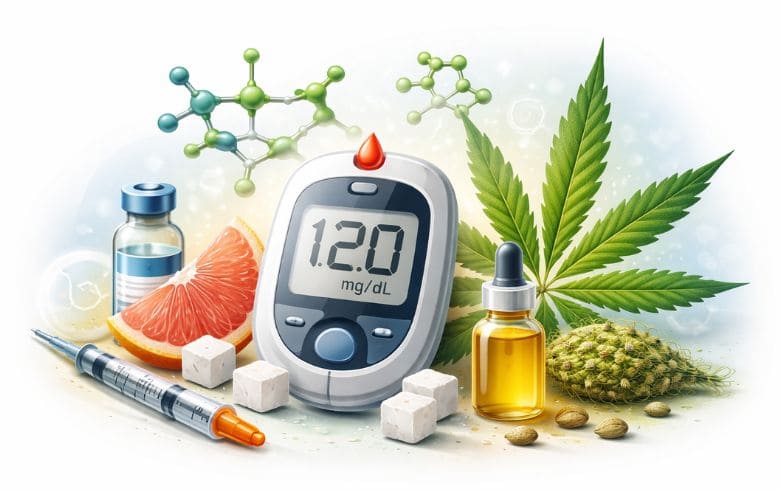
This is just a list of the most studied diseases; however, medicinal marijuana could also be useful in the treatment of lupus and other immunosuppressive diseases, Crohn’s disease, post-traumatic stress and schizophrenia, osteoporosis, autism, Type I diabetes, as well as any chronic pain, anxiety, or migraines.
Contraindications and side effects of medicinal marijuana

Despite the multiple benefits of using marijuana as a therapy, it has several contraindications like any drug. First of all, it is necessary to clarify that the use of cannabis as a remedy for any ailment must be consulted with a doctor or prescribed by them, as it may not be compatible with some medications or treatments. Likewise, it is possible that consumption together with other drugs may dilute or enhance their effects.
In any case, the doctor who considers it necessary will prescribe it to the patient under specific guidelines that will detail the necessary dose. Likewise, there are already medications such as Sativex, based on CBD and sold in pharmacies, which any healthcare professional can prescribe if they deem it necessary.
On the other hand, if therapeutic marijuana contains THC, it is likely to cause some of the usual effects of this substance such as dizziness, drowsiness, slow reaction times, increased or irregular heart rate. Mental side effects include confusion, both increased and decreased anxiety, euphoria, short-term memory loss, or concentration problems.
Furthermore, it is highly inadvisable to consume medicinal cannabis together with any type of sedative, alcohol, or other drugs. It is also contraindicated for pregnant women or those who are breastfeeding, people with heart disease, or those with a history of psychosis. In the case of external preparations, it is also advisable to check the contraindications of cannabis alcohol before applying it to the skin.

Consequently, although both THC and CBD contain beneficial active ingredients against many serious conditions and chronic pain, the lack of legalization of medicinal marijuana and cannabis in general means, on one hand, that only the market for the medicinal use of CBD can be developed. On the other hand, it causes the studies necessary to corroborate the effects of cannabis on certain diseases to continue to be spaced out over time.