Personalized Attention +44 151 947 0713
 SHIPPING TO ALL

 9/10 Rating
 SALE TO MINORS PROHIBITED

Marijuana can treat Alzheimer’s by removing the negative protein plaques that are created in the brain. According to a study done by the Salk Institute, THC has the capacity to get rid of Beta-Amyloid which is a toxic protein that is closely linked to Alzheimer’s. Cannabis has already been proven to work as a neuroprotector with these kinds of illnesses as well as glaucoma and any other illness capable of affecting brain cells. The cannabinoid CBD is in charge of protecting those cells, as long as the dosage is kept at 15mg a day. If more than that is applied, it might actually increase blood pressure which is never good for any kind of illness and might be counterproductive.
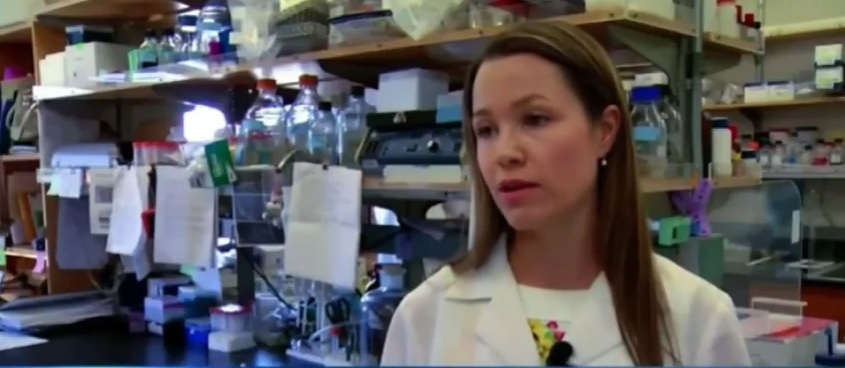
Don’t forget that Alzheimer’s is an illness that is constantly growing in the brains of those that suffer from it. The protein we mentioned before (Beta-Amyloid) acts by limiting the effectiveness and activity of neurons, provoking dementia and loss of memory which allows for little more than daily, boring activities. It’s a degenerative illness and can even cause death. This protein has actually been proven to accumulate in our nervous cells before Alzheimer’s even manifests any symptoms, but scientists still aren’t sure where they come from and why they’re there, just the effect that they cause.
The team at Salk worked by treating neurons to create a plaque of beta-amyloid, and they confirmed how an excess of this protein is enough to kill neurons after a constant level of inflammation. When THC comes into contact with this protein there’s a notable reduction in the quantity of beta-amyloid, which in turn reduces inflammation in the neuron itself; it can even completely kill the harmful protein and save the neuron’s life. The biggest risk is inflammation, which makes it harder for the neurons to interact with eachother, which is one of the biggest causes of Alzheimer’s symptoms.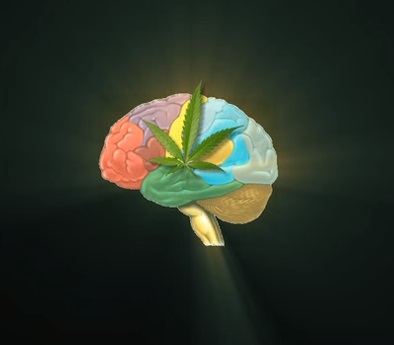
The idea behind this study is to show what a lethal effect this protein and the inflammation has, and how the brain reacts to cannabinoid stimulants. These sorts of stimulants are, of course, nothing new to our brains as we’ve been receiving endocannabinoids ever since we first tasted breast milk, and those lipids are extremely similar to the cannabinoids we know and love.
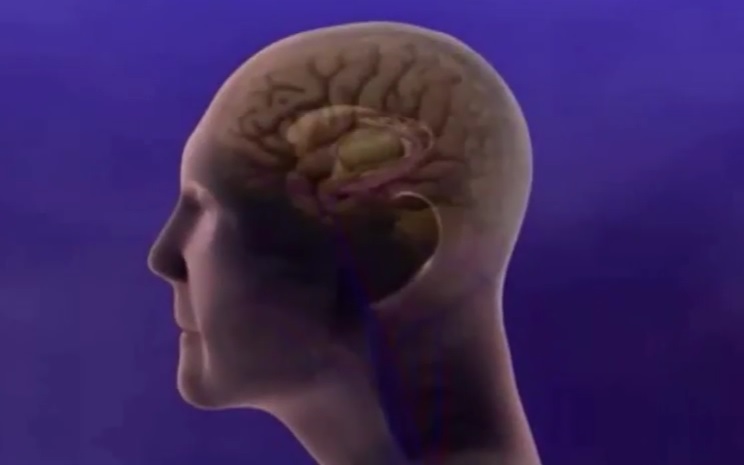
Another study that has been done presented a new “medicine” to the market known as J147. The medicine is based on THL (tetrahydrolypstatin), which appears to be related to THC and is capable to dissolve this harmful protein. This drug appears to be able to dissolve the excess of beta-amyloid in the brain, but just like any other medication it has side effects (unlike cannabis).
It seems to me that day after day and week after week, many new and amazing uses are being discovered for this legendary plant. This could have been achieved a rather long time ago if it hadn’t been so demonized in the first place, but I think it’s best to think on the positive side of things and rejoice in the fact that more is being done now than ever to prove how helpful marijuana really is.
Translation: Ciara Murphy




 Add as preferred source in Google