Personalized Attention +44 151 947 0713
 SHIPPING TO ALL

 9/10 Rating
 SALE TO MINORS PROHIBITED
The world of drugs is constantly evolving, with the creation of new types of substances designed to alter the body. This trend is linked to human history, as early civilizations were already seeking such effects. Among the numerous options out there, in this article, we will learn more about Kratom: what is it and what are its benefits?
What is Kratom?
Kratom, scientifically known as Mitragyna speciosa, belongs to the same family as coffee: the Rubiaceae family. It comes from a slow-growing tropical tree native to Southeast Asia, particularly found in humid tropical forests. It can also be found in the Philippines and New Guinea.
This substance is not really considered as a recent drug, as Dr. Maude St-Onde, the medical director of the Poison Control Center in Quebec said, “we had one case in 2013, three in 2016, and two in 2017, most had few signs and symptoms, and one of them had moderate signs.” In fact, kratom is not as widespread in Europe; it is more commonly found in Asia and the United States instead.
Characteristics
These tree species can range from 13 to 100 ft (4-30 meters) in height and up to 15 ft (4.5 meters) in width, displaying spherical inflorescences and ball shaped-fruits with white and yellow sticks containing seeds.
In regards to the foliage, the oval-shaped, glossy, dark-green leaves are arranged oppositely with veins that can be green, red, white, or yellow. These are the parts that are consumed to experience the effects. The fresh leaves, which can be either persistent or deciduous depending on the climate, contain alkaloids, namely, the ones responsible for the sedative and stimulant sensations.
Kratom’s composition is dominated by five types of indole alkaloids:
- Mitragynine: This alkaloid has the highest concentration and is responsible for most of the effects and properties of the leaves on the 5-HT2A receptors and opioids.
- 7-hydroxymitragynine: It acts on opioid receptors.
- Paynanthine: Also abundant in kratom and acts as a muscle relaxant.
- Speciogynine: This one promotes anxiety reduction and relaxation.
- Mytragynine: It is a vasodilator that promotes muscle relaxation and stimulates the immune system.
Mitragynine and 7-OHMG have opioid-like properties and are believed to be responsible for the psychoactive effects experienced when consumed.
Types of Kratom
There are various types of kratom in the plant kingdom, and they are classified either by their origin or by the color of their veins. In this case, we have classified them according to their veins’ color:
Red Vein
This variety shows red veins due to the high content of 7-hydroxymitragynine. The effects of this species are perfect for pain relief and considered the most relaxing and fastest-acting ones, taking about 20 minutes to kick in. Some of the most well-known red varieties include:
- Bali Kratom
- Dragon Kratom
- Kratom Gold Bars
White Vein
White varieties are generally considered the most stimulating, activating both mind and body. These effects make them perfect for performing physical activities or to deal with a busy day. Due to the energy boost they provide, they are not recommended for relaxation. Some famous varieties are:
- White Borneo Kratom
- White Horn Kratom
- White Maeng Da Kratom

Green Vein
We could say that this variety is quite versatile due to the combination of the relaxing and stimulating effects that it produces, depending on the consumed dose. That’s why this is the most popular type, typically cheaper than the other types. Some common Green Vein Kratom choices are:
- Green Malay Kratom
- Green Maeng Da Kratom
- Green Vietnam Kratom
Please note that kratom is not a harmless nootropic, so it is important to critically examine how frequently you use this substance and the reason why you use it.
How to use Kratom
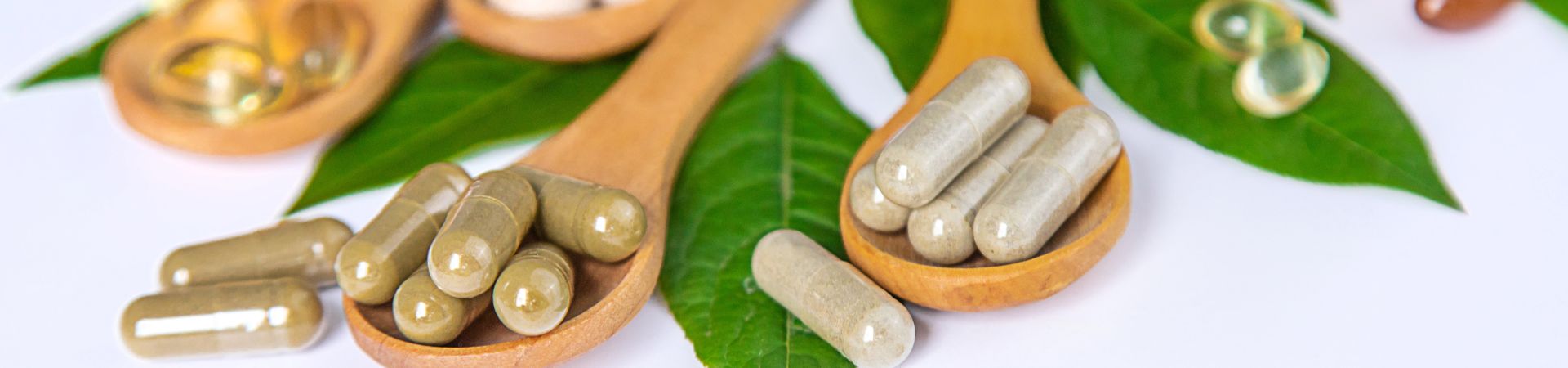
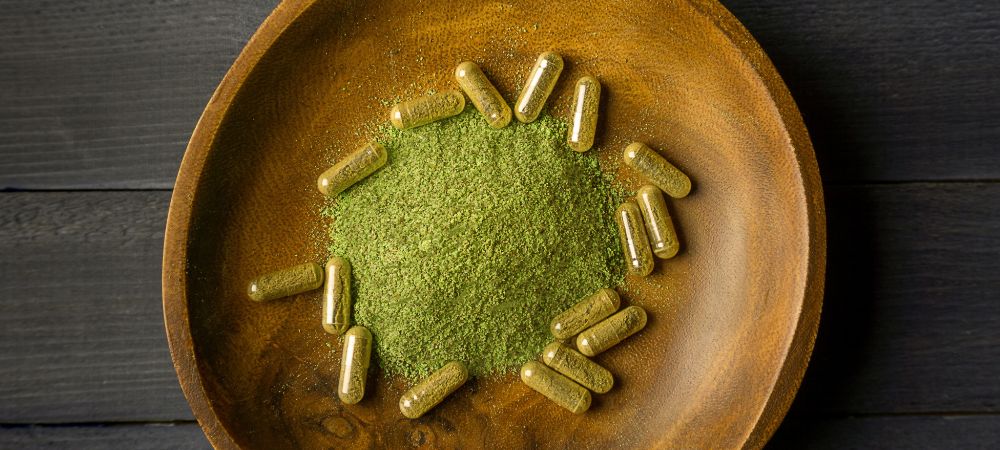
Kratom leaves are typically either chewed or prepared in infusions. For the first option, the best way to consume this plant is using fresh leaves. On the other hand, for making tea, they can also be dried and ground into a powder using a regular grinder for weed. Besides, on the market (especially in online stores), you can find products such as capsules containing kratom.
Benefits of Kratom
The effects of kratom vary depending on the dose taken and, like any other substance, the individual’s physical conditions and health status. Traditionally, in Asia, it is consumed as a pain-relief and to reduce fatigue.
In fact, if you consume low doses (2-5 g), the effects are stimulating, providing physical and mental alertness, as well as increasing your working capacity, sociability, and even libido.
On the other hand, if you take higher doses (5-10 g), the effects are just the opposite, even narcotic. A profound drowsiness and sedation will overwhelm you; that’s why kratom is sometimes used as a substitute for opium. As one can imagine, this anesthetic effect is particularly useful for medical purposes.
Side Effects
Our understanding of kratom’s effects is currently insufficient to determine safe dosages accurately; however, insights can be gleaned from reports by numerous users, suggesting that:
- Low doses may lead to dry mouth, nausea, vomiting, constipation, temporary erectile dysfunction, increased urination, itching, and anxiety.
- At moderate to high doses (5-15 g of kratom powder), side effects may include low blood pressure, tachycardia, dizziness, sweating, nausea, diarrhea, dysphoria, psychosis, hypothyroidism, liver toxicity (hepatitis, intrahepatic cholestasis), and reversible leukoencephalopathy (headaches, confusion, seizures, and loss of visual acuity).
- Chronic use has been associated with weight loss, constipation, dry mouth, hair loss, drooping eyelids, weakness, and cheek hyperpigmentation. Additionally, it can lead to dependence just like other drugs with opioid-like effects.
Is kratom or CBD more effective?
Both kratom and CBD have been used for many years to alleviate different ailments. In fact, they coincide in some of their therapeutic effects such as anxiety and pain reduction, muscle relaxation, and decreasing opioid cravings; thus, they can be used to help quit the consumption of these addictive substances.
However, they act very differently. In treating withdrawal syndrome, kratom interacts with opioid receptors, while the cannabinoid does not directly interact with cannabinoid receptors CB1 or CB2. Moreover, the effectiveness of kratom against opioids lies in the similarity of properties, making it actually a substitute for them.
On the other hand, the effects of kratom appear within minutes even at lower doses, although its effect lasts no longer than an hour. However, it has a high addictive potential and carries serious unwanted side effects similar to THC and magic mushrooms.
In contrast, there are no indications of addiction with CBD, and its effect is longer-lasting and hardly causes side effects. Additionally, many people prefer CBD over kratom for its various usage options (oils, flowers, vapers, etc.) and its availability in the vast majority of grow shops.



 Add as preferred source in Google