Personalized Attention +44 151 947 0713
 SHIPPING TO ALL

 9/10 Rating
 SALE TO MINORS PROHIBITED
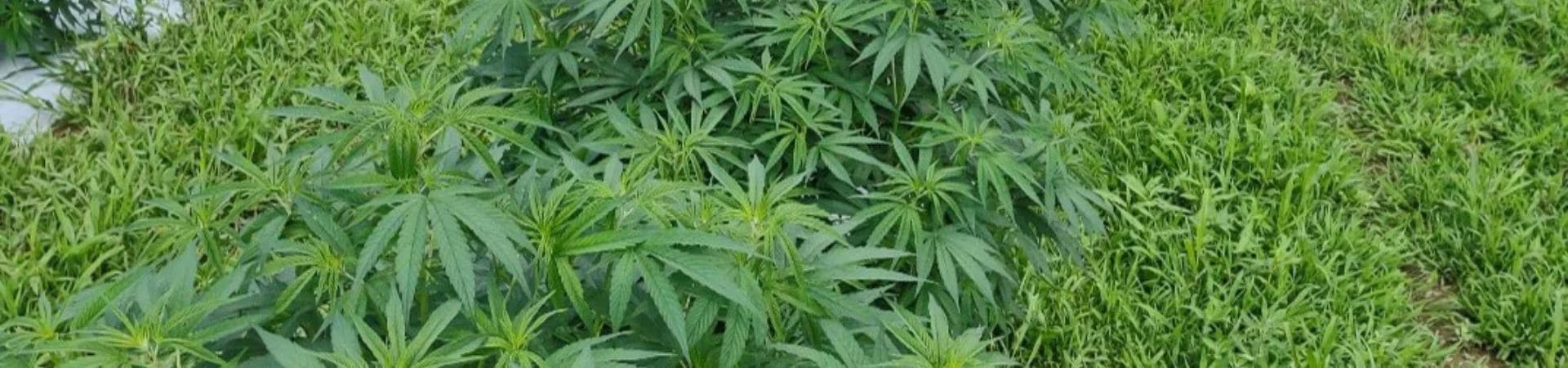
The influence of genetics on marijuana cultivation is the reason why two people can plant the “same strain” and end up with very different results. Genetics define the plant’s potential, but the environment determines how far that potential is actually reached. This can be seen in very clear examples of well-developed modern strains, such as the cultivation of Tropicana Cherry.
Understanding this relationship is key to avoiding frustration, choosing cannabis seeds better, and optimizing each crop, both indoors and outdoors.
Genetics vs. environment: The basis for understanding any cannabis cultivation
Before delving deeper, it’s important to establish a simple idea: genetics set the maximum limit, and the environment decides the actual outcome. The seed contains the necessary information for the plant to develop in a certain way, but without adequate conditions, that information is not expressed correctly.
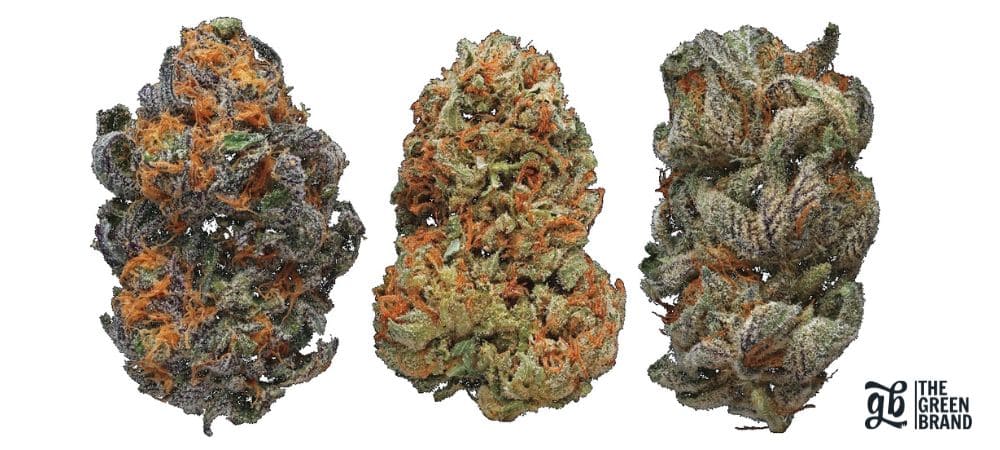
Many cultivation errors are attributed to supposed “bad genetics” when, in reality, the problem lies in the environment. Therefore, understanding how these two factors interact is the first step to cultivating with criteria.
What we mean by genetics in cannabis
When we talk about genetics in cannabis, we refer to the set of traits inherited from the seed: structure, vigor, flowering times, potential yield, terpene profile, cannabinoid concentration, and stress resistance. All of this is part of the genotype.
Two plants with the same genotype can show different phenotypes if the conditions change. This explains why the same strain can look, smell, or produce differently depending on the cultivation.
The visible expression of these traits—final size, bud shape, specific aroma—is the phenotype, and this is where the environment comes into play.
What the cultivation environment actually includes
The environment is not just “indoor or outdoor.” It includes factors such as light, temperature, humidity, ventilation, watering, substrate, nutrition, and the level of stress to which the plant is subjected. These elements do not change the genetics but do affect how it is expressed.
What genetics determines
The influence of genetics in cannabis cultivation is particularly evident in certain aspects that cannot be modified once the plant is underway.
- Structure, vigor, and flowering times: Each genetic has a clear tendency: taller or more compact plants, long or short internodes, fast or long flowering periods. You can adapt the cultivation, but you cannot change the plant’s nature.
- Potential yield and density: Genetics determine how much a plant can yield under optimal conditions. The environment decides whether you achieve 40%, 70%, or get close to that maximum.
- Resistance to pests, fungi, and stress: Some genetics tolerate humidity better, others heat or watering errors. Choosing well reduces problems before they appear.
- Terpenes and cannabinoids: inheritance with nuances: The aromatic and cannabinoid profile is largely determined by genetics, although the environment can intensify or diminish it.
- Flowering and maturation times: The duration of flowering is genetically determined. It can be slightly delayed by stress or inadequate conditions, but it cannot be significantly shortened without losing quality.
The environment does not create new terpenes, but it can drastically reduce their presence if it is deficient.
| Trait | Genetic influence | Environmental influence | Common mistake |
|---|---|---|---|
| Flowering time | High | Low | Forcing harvest |
| Structure | High | Medium | Over-pruning |
| Maximum yield | High | Medium | Blaming genetics |
| Base aroma profile | High | Medium | Neglecting drying |
The cultivation environment: Where the grower makes the difference
If genetics are the potential, the environment is the execution. This is where the grower’s touch is most noticeable.
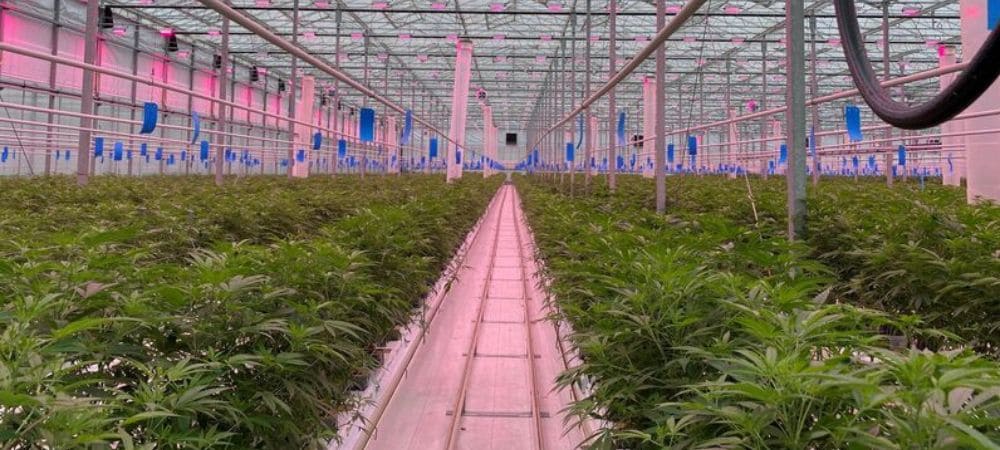
Light: quantity, quality, and consistency: Indoors, light is the most determining factor. Insufficient lighting limits yield and bud density, even with high-level genetics. Many “bad genetic results” are actually light problems. A highly productive genetic under poor light will never show its true performance.
Temperature, humidity, and ventilation: Stability is more important than perfection. Sudden changes affect development, transpiration, and the final aroma. Environmental stress affects growth, flowering, and terpene expression.
Watering and roots: the most common failure: Overwatering is one of the most common causes of low-yielding plants. Poorly oxygenated roots = wasted genetics.
Nutrition and substrate: More fertilizer does not mean better results. Balance allows the plant to express its genetics without blockages or stress.
| Symptom | Usually genetic | Usually environmental | What to check |
|---|---|---|---|
| Low aroma | No | Yes | Drying, stress |
| Airy buds | Sometimes | Yes | Light, watering |
| Slow flowering | Yes | Sometimes | Temperature |
| Unusual leaf color | No | Yes | pH, nutrients |
Genetics-environment interaction: Why every cultivation is unique
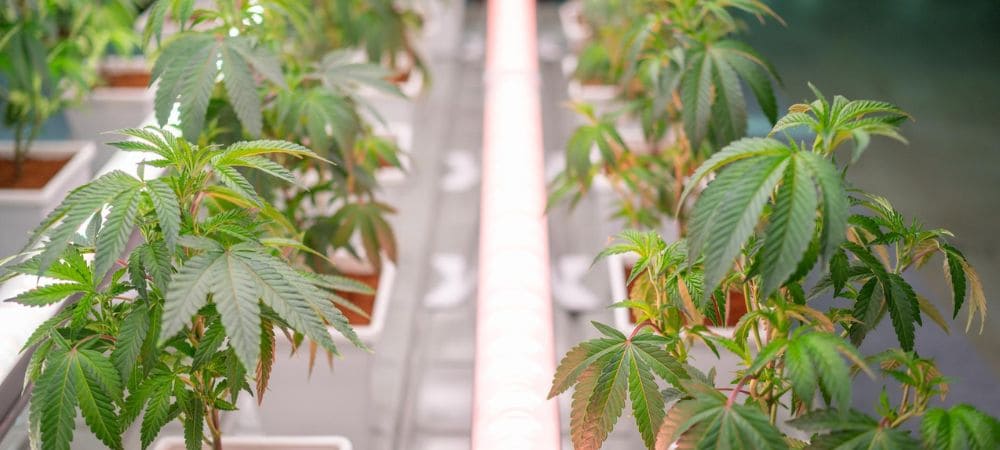
This is where the key concept comes into play: genetics x environment (GxE). Genetics do not act in isolation: they respond to the conditions in which they are cultivated. Two seeds of the same strain can express different phenotypes depending on the conditions.
Phenotypes: variations within the same genetics
Even with stable seeds, differences in aroma, structure, or maturation can occur. This is not a flaw: it’s a natural part of cultivation.
Stress and genetic expression
Thermal, water, or nutritional stress does not change genetics, but it can “turn off” positive traits like aroma or density. The more demanding a genetic is, the more dependent it is on a well-controlled environment.
How to choose genetics based on your environment
Understanding the influence of genetics in cannabis cultivation is most useful for making better choices before sowing.
If you grow indoors
Indoors, environmental control allows you to maximize productive and aromatic genetics, provided that lighting and ventilation are adequate.
Advantages:
- Greater control over the outcome
- More homogeneous yield
- Less dependence on climate
Disadvantages:
- Greater impact of technical errors
- Total dependence on lighting
If you grow outdoors
Outdoors, adaptation is paramount: resistance, timing, and tolerance to the local climate are more important than theoretical yield.
Advantages:
- Lower energy cost
- More natural development
- Larger plants
Disadvantages:
- Dependence on climate
- Less control over the final outcome
| Tu entorno | Riesgo habitual | Qué genética encaja |
|---|---|---|
| Interior poco potente | Baja densidad | Genéticas compactas |
| Exterior húmedo | Hongos | Resistentes |
| Calor intenso | Estrés | Índicas adaptadas |
| Principiante | Errores comunes | Estables y fáciles |
| Your environment | Common risk | Best suited genetics |
|---|---|---|
| Low-power indoor setup | Low density | Compact genetics |
| Humid outdoor environment | Fungal issues | Resistant strains |
| Intense heat | Stress | Adapted indicas |
| Beginner grower | Common mistakes | Stable and easy strains |
Case study: When genetics shine because the environment cooperates
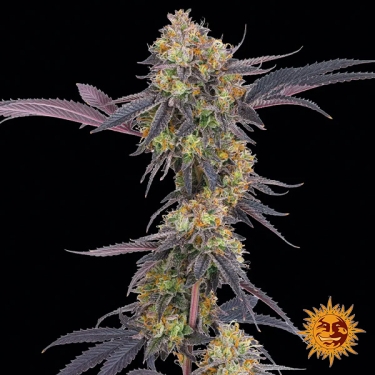
A good example of the influence of genetics in cannabis cultivation can be seen in the cultivation of Tropicana Cherry, where a genetic with a marked aromatic profile and balanced structure can show its full potential when cultivated with adequate lighting, controlled watering, and proper drying. This is not a promise of an identical result, but a clear reference to how genetics and environment work together. Commercial results often show the optimal phenotype under almost ideal conditions.

Frequent mistakes mistaken for “bad genetics”
Unrealistic expectations: Many photos show selected plants cultivated in perfect conditions. Comparing yourself without context leads to frustration.
Constant changes in cultivation: Adjusting everything weekly usually worsens results. Consistency allows genetics to express themselves.
Deficient drying and curing: Good genetics can lose a large part of their aroma and quality during poor post-harvest handling.
The influence of genetics in cannabis cultivation is decisive, but it never acts alone. The seed defines the potential; the environment decides how much of it is utilized. Choosing genetics suitable for your actual conditions, taking care of the basic cultivation factors, and maintaining stability is the surest way to achieve consistent results, without relying on miracles or tricks.




 Add as preferred source in Google