Personalized Attention +44 151 947 0713
 SHIPPING TO ALL

 9/10 Rating
 SALE TO MINORS PROHIBITED

Growing cannabis, whether for personal or commercial use, requires specific techniques and products that ensure healthy plants and abundant harvests. Among the many resources available, hydrogen peroxide stands out as a versatile, cost-effective, and efficient ally that many experienced growers incorporate into their routines. Here’s everything you need to know about the correct hydrogen peroxide dosage for plants and how it can transform your cultivation.
What is hydrogen peroxide and how does it affect plants?
Hydrogen peroxide, scientifically known as H₂O₂, is a chemical compound made up of hydrogen and oxygen. Its formula contains an extra oxygen atom compared to regular water (H₂O), which gives it oxidizing and disinfecting properties.
When applied to plants in proper concentrations, hydrogen peroxide releases that extra oxygen atom, enriching the root environment and supporting vital processes such as:
- Cellular respiration: by facilitating gas exchange at the root level.
- Metabolism: improves nutrient absorption by boosting metabolic activity.
- Disinfection: eliminates harmful pathogens like fungi, bacteria, and certain pests.
The hydrogen peroxide commonly found in pharmacies usually has a 3% concentration (10 volumes), which is perfectly suitable for most cannabis cultivation applications. Typically, concentrations between 3% and 15% are used in growing.

Uses and applications of hydrogen peroxide for plants
The versatility of hydrogen peroxide makes it a perfect multipurpose tool for cannabis growers. Some common uses include:
- Substrate oxygenation: providing oxygen directly to the roots, especially beneficial in hydroponic systems or waterlogged conditions.
- Prevention of various cannabis plant diseases: acting as a natural fungicide and bactericide.
- Pest control: the right hydrogen peroxide dosage can affect certain insects and mites.
- Root system stimulation promotes the development of stronger and more abundant roots.
- Germination accelerator: provides extra oxygen and activates seed enzymes.
- Disinfection of growing materials: cleaning tools, pots, and irrigation systems.
- Algae control in overly moist substrates. Hydrogen peroxide effectively kills spores.
Benefits of using hydrogen peroxide in cultivation
Regular incorporation of hydrogen peroxide into your grow routine can offer multiple advantages:
- Increased oxygen availability: prevents root suffocation, especially in compacted soils.
- Pathogen reduction: significantly decreases fungi like pythium and fusarium thanks to its fungicidal, bactericidal, sporicidal, and virucidal action.
- More vigorous plants: more oxygen at the root zone boosts robust growth by improving substrate oxygenation.
- Improved nutrient absorption: well-oxygenated roots absorb fertilizers better. It also helps degrade pesticides or herbicides in the substrate.
- Increased stress resistance: helps plants better withstand adverse conditions like heat or drought.
- Recovery of weak plants: can help revitalize specimens affected by disease or overwatering.
- Cost-effective solution: a low-cost alternative to specialized products.
- Helps control pH levels.
- Aids in the breakdown of organic matter.
- Stimulates foliar growth.
How to use hydrogen peroxide in cultivation
To make the most of the benefits of hydrogen peroxide, it’s essential to use it properly depending on the specific application:
For regular watering
Follow these steps:
- Mix 1–3 ml of 3% hydrogen peroxide per liter of water.
- Apply this solution once a week during the vegetative stage.
- Reduce frequency to once every two weeks during flowering.

For recovering plants with root problems
If you have plants with root issues in the grow, apply as follows:
- Use a higher concentration: 5 ml per liter.
- Apply for two consecutive waterings and monitor the plant’s response.
- Return to the regular dosage once improvement is visible.
For hydroponic systems
When growing in hydroponics, use the hydroponic dosage as follows:
- Add 2–3 ml per liter in the nutrient reservoir.
- Change the solution every 3–4 days.
However, never apply undiluted hydrogen peroxide directly to plants or substrates, as it can burn the roots.

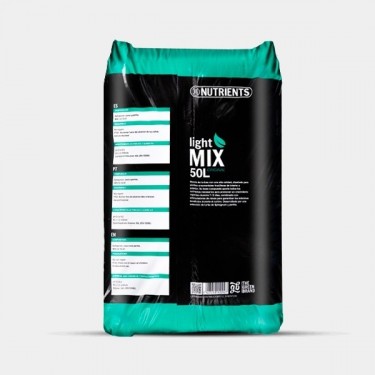

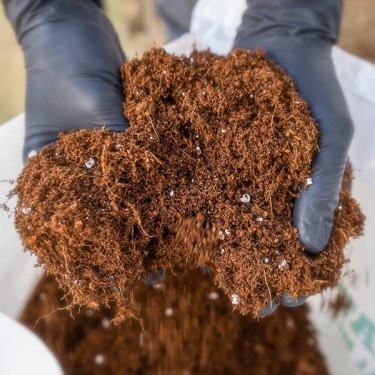

What hydrogen peroxide dosage for plants is needed based on your goal?
Depending on the intended use and purpose, it should be applied as follows:
Hydrogen peroxide as an insecticide for plants
Hydrogen peroxide can be an effective ally for disinfecting against certain pests, especially fungal ones, and can help control them. To use it properly:
- Preparation: Mix 10% hydrogen peroxide with 1 liter of water.
- Application: Spray directly on affected leaves, preferably in the evening.
- Frequency: Repeat every 3–4 days until the infestation is controlled.
The recommended amount is about 15 ml of hydrogen peroxide per liter of water. This solution is especially effective as an insecticide against aphids, thrips, and mites in their early stages. It also leaves no toxic residue and doesn’t affect the flavor or aroma of your buds.
Hydrogen peroxide for cleaning drippers
Automatic irrigation systems can get clogged due to the buildup of algae, slime, or mineral deposits. Hydrogen peroxide offers a simple solution:
- Completely empty the irrigation system.
- Prepare a solution with 30 ml of 3% hydrogen peroxide per liter of water.
- Circulate the mixture through the system for 30 minutes.
- Rinse with clean water before the next irrigation cycle.
This preventative treatment can be done monthly to keep the system in optimal condition.
Use as a disinfectant
Hydrogen peroxide is a versatile, affordable, and effective tool in every cannabis grower’s toolkit. Proper use can make the difference between mediocre plants and lush specimens with abundant yields. For better tool disinfection, use a dosage of 20–30 ml of 10-volume hydrogen peroxide per liter of water.
Hydrogen peroxide for rooting cuttings and germinating seeds
Hydrogen peroxide can significantly speed up and enhance the rooting process:
- Prepare a solution with 3 ml of 3% hydrogen peroxide per liter of water.
- Dip freshly cut clones in this solution for 5–10 seconds.
- Place the clones in your usual rooting medium (rockwool, jiffy, etc.).
- Moisten the medium with the same solution.
This treatment acts as a root stimulator for stronger plants and greatly reduces the risk of rot, increasing your propagation success rate.
What is the hydrogen peroxide dosage for plants?
Hydrogen peroxide is a versatile, economical, and effective tool in any cannabis grower’s arsenal. Proper application can mean the difference between average plants and lush specimens with abundant harvests. As with any treatment, the key is moderation and constant observation of your plants to adjust as needed.
As with any treatment, the key is moderation and close observation of your plants so you can adjust as needed. Below are some recommended dosages:
| Recommended hydrogen peroxide dosages by use | ||
|---|---|---|
| Purpose of Use | Recommended Dosage | Application |
| Insecticide for plants | 15 ml of 10% hydrogen peroxide per liter of water | Spray on affected leaves every 3–4 days. |
| Cleaning drippers | 30 ml of 3% hydrogen peroxide per liter of water | Circulate through the irrigation system for 30 minutes, then rinse. |
| Disinfectant | 20–30 ml of 10-volume hydrogen peroxide per liter of water | Soak tools or materials for a few minutes. |
| Rooting cuttings & seed germination | 3 ml of 3% hydrogen peroxide per liter of water | Dip cuttings for 5–10 seconds, moisten rooting medium. |
| Soil improvement & nutrition | 20–30 ml of hydrogen peroxide per liter of water | Water to oxygenate soil and enhance nutrient uptake. |
| Pest & disease control | 1 part 3% hydrogen peroxide to 4 parts water | Spray on affected plants every few days. |
| Root oxygenation | 1–2 teaspoons of 3% hydrogen peroxide per liter of water | Water to enhance root oxygenation. |
Precautions when using hydrogen peroxide
Although hydrogen peroxide is a natural and effective tool to improve plant health, it’s important to consider a few precautions to avoid negative effects on your cannabis grow. Here are the main things to keep in mind when using it:
- It’s not a fertilizer substitute. Using hydrogen peroxide for plants can be great for oxygenating the substrate and fighting bacteria, fungi, and pests, but it should not replace fertilizers. Hydrogen peroxide acts as a spot treatment but doesn’t provide essential plant nutrients.
- Always use it diluted. If you apply hydrogen peroxide at too high a concentration or undiluted, it may burn the roots and harm their ability to absorb nutrients and water.
- Avoid overuse. While beneficial, excessive hydrogen peroxide can be counterproductive. Too much oxygenation can also damage roots and impair nutrient uptake.
- Do not apply during flowering. This product should be used at strategic growth stages. Avoid using it during flowering, as this phase requires energy for bud development, and any stress could reduce yields.
- Avoid direct sunlight exposure. After application, don’t expose plants to direct sunlight for long. Hydrogen peroxide reacts to light and can lose effectiveness or damage leaves in high heat.
- Avoid use in high humidity. Excess humidity encourages fungi and mold, so applying hydrogen peroxide in very humid conditions may result in over-oxygenation, which can weaken plants.
- Test before treating the entire crop. Before using hydrogen peroxide on your whole grow, test it on a small section of a plant or pot to see how it reacts. While generally safe, different cannabis strains may respond differently.
As you can see, hydrogen peroxide isn’t just for treating wounds. It can also be a powerful household trick for your cannabis grow. From fighting annoying fungi to giving your roots a boost, this simple chemical has more benefits than you might think. Try it out and see the results for yourself!




 Add as preferred source in Google