Personalized attention +34 96 206 62 98
 Free shipping to Iberian Peninsula from 30€
 9/10 Rating
 Discreet shipping

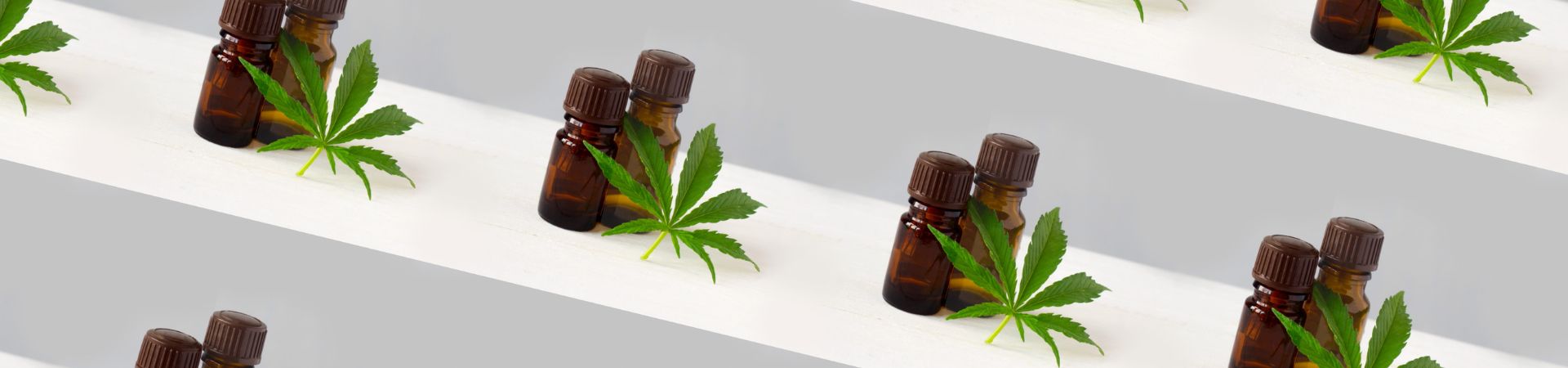
Learning how to use terpenes correctly is the difference between achieving a spectacular and balanced aroma or overdoing it and ruining a mixture. In grow shops, terpenes have become a key product for those looking to refine aromas, customize mixtures, or recreate specific cannabis profiles, but they still generate many questions.
In this informative and practical guide, we explain step by step how to use terpenes, exactly what they are, how to dose them, and where they work best, complete with clear tables and practical tips for use.
Terpenes: what they are and why they are so important
Before delving into how to use terpenes, it is important to understand what they are and why they play such a prominent role in cannabis and other aromatic products.
Terpenes are natural aromatic compounds present in thousands of plants, fruits, and flowers. They are responsible for aromas such as the citrus of lemon, the pine of the forest, or the floral notes of many cannabis varieties.
In the cannabis plant, they coexist with cannabinoids, but they fulfill a different function: they define the aroma and the sensory profile.
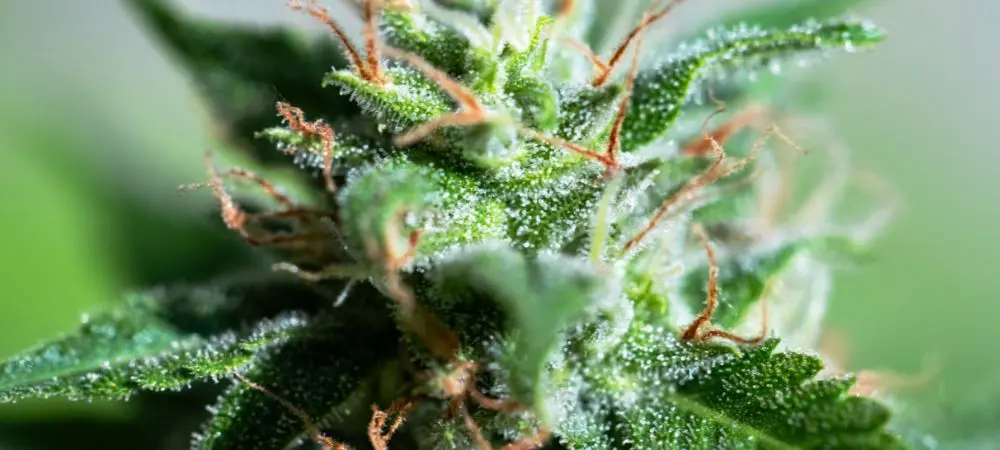
Terpenes vs. Terpenoids: a simple clarification
Although often used interchangeably, they are not exactly the same.
- Terpenes: pure aromatic compounds, formed only by carbon and hydrogen.
- Terpenoids: terpenes that have undergone oxidation and contain oxygen.
For the GB The Green Brand user, this difference does not change how to use terpenes in practice, but it helps to understand why some aromas are more complex or stable than others.
[ppgbo products=”6943,6945,7337″ language=”en”]
“Cannabis Terpenes”: what it really means
The term cannabis terpenes is common commercially, but it needs to be clarified. Terpenes are not cannabinoids and do not contain THC or CBD. They are called this because:
- They appear naturally in cannabis.
- They reproduce the aromatic profiles of specific varieties.
Terpene structure
Understanding the structure of terpenes helps to understand why some are more intense and others more persistent.
The isoprene rule (C5)
All terpenes are built from a basic unit called isoprene (C5H8). Depending on how many units they have, they are classified as:
- Monoterpenes (C10) → fresh and volatile aromas.
- Sesquiterpenes (C15) → deeper and longer-lasting aromas.
- Diterpenes and higher → less common in commercial aromas.
Why structure influences use
Monoterpenes evaporate faster and stand out at the first whiff, while sesquiterpenes provide depth and persistence.
| Terpene families and what they provide | ||||
|---|---|---|---|---|
| Family | Carbons | Typical aroma | Sensation | Common use |
| Monoterpenes | C10 | Fresh | Intense and fast | Diffusers, e-liquids |
| Sesquiterpenes | C15 | Deep | Persistent | Aromatic blends |
| Mixed | Variable | Complex | Balanced | Cannabis profiles |
How to use terpenes properly: Dosage and dilution
This is the most important point when learning how to use terpenes. They are highly concentrated products and should always be diluted.
Recommended percentages
As a general rule:
- 1–3% → conservative and safe use (ideal for beginners).
- 3–5% → intense aroma, only for experienced users.
It is never recommended to use pure, undiluted terpenes.
Compatible bases
Terpenes can be mixed with:
- Carrier oils (MCT, cosmetic oils).
- E-liquid bases.
- Suitable alcohols depending on the application.
The type of base influences the perception of the aroma, although there is no single “best base” universally.
| Quick dosing guide | |||
|---|---|---|---|
| Use | Base | Approx. % | Tip |
| Diffuser | Water / alcohol | 1–2% | Add little by little |
| E-liquid | PG/VG base | 1–3% | Measure with syringe |
| Cosmetics | Base oil | 0.5–2% | Test in small amounts |
| Aromatic blends | Variable | 1–5% | Rest for at least 24 h |
| Food use | Oil, fats, and alcohol | 0.01–0.1% | Food-grade terpenes only |
| Beverages | Alcoholic base or syrup | 0.005–0.5% | Dilute in alcohol first |
Steps to use terpenes correctly
Understanding how to use terpenes in practice is much simpler when following a clear process. These steps are designed for grow shop customers, from beginners to somewhat experienced users, and are suitable for most aromatic applications.
Step 1: Define the purpose of use
Before touching the bottle, the first step to how to use terpenes correctly is to be clear about what you want them for. It is not the same to aromatize an environment as to prepare a mixture for e-liquid or to define a specific cannabis aroma.
- Ambient aroma
- Cosmetics / aromatic use
- E-liquid
- Custom aromatic blend
This point determines the base, dosage, and mixing method.
Step 2: Choose the right terpene profile
Once the use is defined, select the aromatic profile that fits your objective. This is where what terpenes are and how they are perceived come into play: citrus, floral, earthy, herbal, etc.
Step 3: Prepare the base where you will dilute them
Terpenes are never used alone. They need a compatible base:
- E-liquid base (PG/VG)
- Carrier oil (MCT or other cosmetic oils)
- Suitable alcohol depending on the application
- Water (only in specific diffusers)
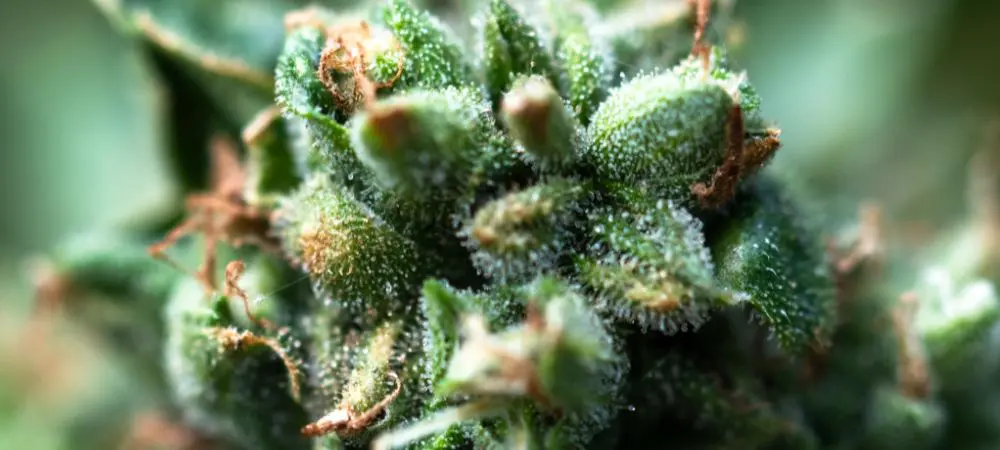
Step 4: Calculate the correct dose
This is where most people fail when starting. The basic rule for how to use terpenes is to always start small.
- Beginners: 1%
- Intermediate users: 2–3%
- Maximum recommended: 5%
Practical example: For 10 ml of base, 1% is equivalent to 0.1 ml of terpenes.
In the case of food, the amount of terpenes to use will depend on the edible base or beverage to be flavored. It is always recommended to use terpenes in cold processes. For example:
- Flavoring 1 kg of ice cream: 0.025 ml to 0.1 ml of terpenes
- Flavoring 3 L of beer: 1 ml of terpenes
- Flavoring 1 L of sparkling water: approx. 1 or 2 drops of terpenes
- Flavoring 3 L of oil: 1 ml of terpenes
- Flavoring 1 kg of honey: from 0.5 ml to 1 ml of terpenes.
Step 5: Add terpenes little by little
Never add the entire amount at once. It is best to incorporate a small portion into the base, mix well, and calmly evaluate the resulting aroma.
After mixing, smell the preparation and assess if the intensity is adequate before continuing. If the aroma is too weak, you can add a minimal additional amount and repeat the process.
This progressive method is essential for learning how to use terpenes correctly, as it allows you to precisely adjust the aromatic profile and avoid over-intensity.
Step 6: Mix and homogenize well
Poor mixing leads to irregular aromas. Gently shake or stir until the terpene is completely integrated into the base. In denser mixtures, this step can take several minutes.
Step 7: Let the mixture rest
One of the most overlooked steps when learning how to use terpenes is resting.
- Recommended rest: 12–24 hours
- Reason: the aroma stabilizes and integrates better.
Step 8: Test and adjust
Once the resting time is over, it’s time to carefully evaluate the final aroma of the mixture. Analyze whether the aromatic profile obtained matches what you were looking for or if it needs an extra touch of intensity. If you want to enhance it, always add very small amounts of terpenes, mix again, and recheck the result.
This last step correctly closes the process of how to use terpenes in a controlled and professional manner, ensuring a balanced result without excesses.
Where to use terpenes according to the objective
Knowing how to use terpenes also implies adapting them to what you want to achieve.
- Ambient aroma: Perfect for recreating environments with a specific genetic scent. They are used in diffusers or humidifiers, always with low doses.
- Cosmetics and personal care: Used solely for their aroma. It is crucial to respect the proportions to avoid excessive aromas.
- E-liquids: One of the most popular uses. Here, precision is key: low percentages and progressive testing.
- Cannabis profile blends: Allow recreating citrus, kush, gassy, or floral aromas.
How to choose the right terpene
Many users fail not because of how to use terpenes, but because they choose the wrong profile.
Choice by aroma
- Citrus → fresh and light.
- Pine → herbal and clean.
- Floral → soft and sweet.
- Earthy → deep and classic.
Choice by sensory intention
Each profile is usually associated with perceived sensations (relaxation, energy, balance), but without promising therapeutic effects.
| Popular terpenes and common descriptions | |||
|---|---|---|---|
| Terpene | Aroma | Where it appears | Ideal for |
| Limonene | Citrus | Citrus fruits | Fresh environments |
| Myrcene | Earthy | Mango, cannabis | Intense backgrounds |
| Pinene | Pine | Conifers | Clean sensation |
| Linalool | Floral | Lavender | Soft aromas |
Storage: how to keep them in perfect condition
Even if you know how to use terpenes, poor storage will ruin the product. Terpenes are volatile elements, so it is always recommended to store them in the refrigerator to prevent possible evaporation.
Keep the product in its original packaging, which is designed to prevent direct light from causing color changes or losses. Additionally, terpenes are corrosive and can damage other materials.
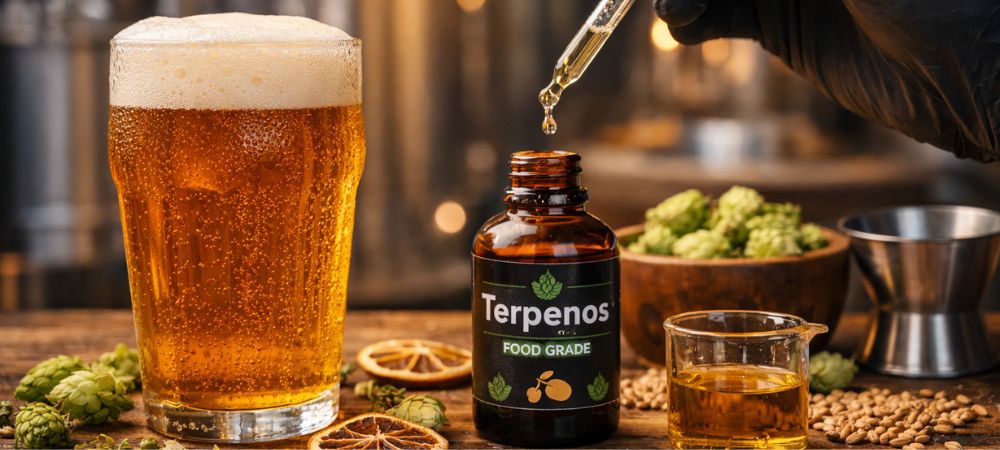
Using terpenes can be very beneficial if these considerations are followed. The key is to understand how to use terpenes in this format properly to maximize their benefits.