Personalized Attention +44 151 947 0713
 SHIPPING TO ALL

 9/10 Rating
 SALE TO MINORS PROHIBITED

Within the world of mycology, few species generate as much fascination as Copelandia cyanescens, also known as Panaeolus cyanescens, and the renowned Treasure Coast Albino, an albino mutation of the Treasure Coast variety, which has earned a special place among growers thanks to its ghostly appearance and vigorous growth behavior. Both belong to the universe of psychoactive mushrooms, yet they feature unique traits, very different potency levels, and clearly defined cultivation requirements. For this reason, understanding their biology, differences, and specific needs is essential for anyone interested in learning how to grow mushrooms safely, responsibly, and successfully.
This article provides a comprehensive, accessible, and educational overview of these varieties, while also integrating a step-by-step practical cultivation protocol. Whether you are looking for general information about Copelandia, are specifically interested in Treasure Coast Albino, or simply want a rigorous approach to growing Copelandia and Albino Coast mushrooms, you will find a clear and detailed guide here, tailored to the U.S. market.
What makes Copelandia so special?
Copelandia cyanescens is a species belonging to the Panaeolus genus, well known for its high potency and psilocybin concentrations that are significantly higher than most Psilocybe cubensis strains. In fact, many experienced growers report that it can be four to five times stronger than a standard cubensis, which directly impacts both dosage and the subjective experience.
This is a more delicate mushroom, with rapid growth and slender fruiting bodies. Unlike other species commonly found in beginner grow kits, Copelandia requires stricter parameters, tightly controlled humidity, and constant oxygen exchange. Therefore, learning how to grow Copelandia mushrooms involves becoming familiar with a more precise and attentive process than with many other commercial varieties.
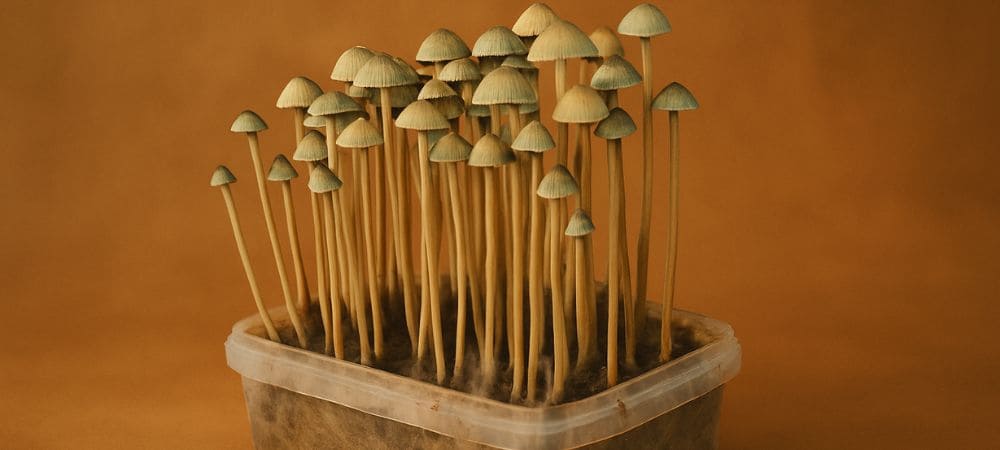
Treasure Coast Albino: A highly valued unique mutation
The Treasure Coast Albino variant, also commonly known as Albino Coast, is a leucistic form of the Treasure Coast strain. Although it belongs to the Psilocybe cubensis taxon, its genetics include a mutation that eliminates or drastically reduces pigmentation, resulting in mushrooms with an ivory-white, almost translucent color. This striking appearance has turned it into an icon of home cultivation.
From a cultivation standpoint, Treasure Coast Albino is resilient and rewarding, and like other cubensis strains, it responds well to moderate temperatures and stable humidity. This stability contrasts with the sensitivity of Copelandia, making this albino variety an excellent choice for growers who already know how to grow mushrooms and wish to explore more aesthetic or distinctive lineages without significantly increasing difficulty.
Understanding the essentials of their cultivation
Before diving into the step-by-step process, it is important to keep two key factors in mind:
- Humidity and oxygenation: a vital balance. Copelandia, in particular, requires consistently high humidity without water stagnation. Treasure Coast Albino, while more forgiving, also performs best in a well-ventilated environment.
- Controlled temperature. Both varieties thrive between 21 °C and 26 °C (approximately 70–79 °F), which are ideal ranges for triggering fruiting and maintaining stable development.
In this guide, you will see how these parameters are applied throughout every stage of cultivation.

Treasure Coast Albino
How to grow magic mushrooms Copelandia and Treasure Coast Albino
STEP 1 – GETTING STARTED
Wash your hands thoroughly with soap and water and use disinfectant gel before beginning the process. Wear a face mask and latex gloves. Spread the casing soil evenly over the kit and place the kit inside the grow bag.
This first step is crucial to prevent contamination, which is especially important when working with demanding species like Copelandia. Treasure Coast Albino tolerates minor mistakes better, but it also benefits greatly from a clean and stable environment. Initial sterility is the foundation of any successful cultivation project, regardless of the variety.
STEP 2 – MAINTAINING OPTIMAL HUMIDITY
Mist the top layer of the substrate to ensure it remains well hydrated. Spray the inside of the bag as well. Make sure there is enough fresh air inside the bag (by gently squeezing it), then close it with a clip.
Repeat these steps once or twice a day, as it is essential for both the casing layer and the grow bag to remain moist.
This is where the most important balance of the entire process comes into play: high humidity without excessive condensation, and fresh air without drying out the substrate. Copelandia mushrooms, in particular, depend on regular gas exchange; if the air becomes stagnant, their development will stall. This explains why growing Copelandia is more technical than growing standard cubensis strains.
STEP 3 – KIT OXYGENATION
After 6–11 days, mushrooms will begin to grow. At that point, remove the kit from the bag, mist the inside of the bag while expelling the stale air, and then place the kit back inside.
This step reflects a key concept in home mycology: CO₂ inhibits vertical growth and the natural shape of mushrooms. Refreshing the air allows fruiting bodies to breathe and develop vigorously. Treasure Coast Albino responds with firm stems and well-defined white caps, while Copelandia displays its characteristic slender form and bluish coloration at the base of the stem.
STEP 4 – HARVEST
Mushrooms will be ready for harvest 5 to 7 days after they begin to grow.
Harvest them 24–36 hours after black spores start falling from the caps (unlike cubensis, Cyanescens benefit from being left to mature longer). Pick the mushrooms by gently pushing them until the lower part of the stem snaps.
This stage highlights one of the main differences between the two species:
- Copelandia (Cyanescens) should be allowed to mature longer, which intensifies its characteristics and ensures full development.
- Treasure Coast Albino, like most cubensis strains, is usually harvested before the veil fully breaks, depending on the grower’s preference.
This harvesting method—gentle pressure and a clean snap—prevents damage to the mycelium and allows the substrate to continue producing subsequent flushes.
STEP 5 – STARTING AGAIN
After harvesting, be sure to rehydrate the top layer of the substrate by misting it from a distance of about 10 cm (4 inches). Within a few days, a second flush will begin to grow.
This restart marks the beginning of new flushes or fruiting cycles. Depending on growing conditions and strain genetics, several harvests can be achieved.
The ideal parameters are temperatures between 21 °C and 26 °C (70–79 °F) and humidity levels of 90–100% RH. Under these conditions, both Copelandia and Treasure Coast Albino can repeatedly complete their life cycle.

Copelandia Hawaiian
Important considerations on potency and responsibility
Cyanescens magic mushrooms are approximately five times more potent than cubensis. This must be taken into account when calculating the proper dosage. Always start with a very small amount and approach the experience responsibly.
While Treasure Coast Albino offers a relatively gentle experience within the cubensis range, Copelandia is a mushroom intended for experienced individuals who are aware of context and dosage. Potency does not make it “better” or “worse”; it simply demands greater respect, knowledge, and caution.
Copelandia cyanescens and Treasure Coast Albino represent two distinct worlds within home cultivation: one delivers extreme potency and a more technical growing process, while the other provides beauty, stability, and versatility. Learning how to grow mushrooms from both varieties involves not only following specific steps, but also understanding their biology, rhythms, and unique needs.
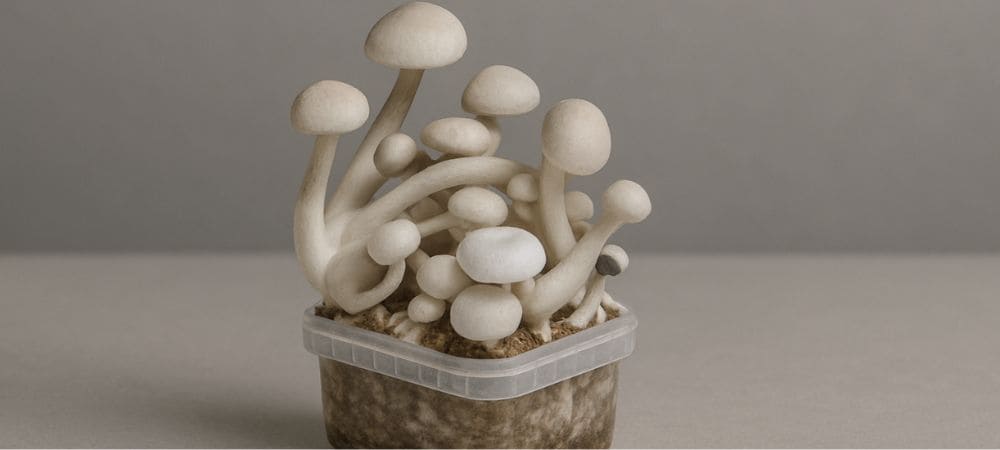
With the right parameters, properly executed cultivation steps, and a responsible approach, these varieties can become a gateway into the fascinating world of advanced mycology. Engaging with them—whether out of scientific curiosity, botanical interest, or advanced learning—opens a window into the complexity, delicacy, and extraordinary natural intelligence of fungi.



 Add as preferred source in Google