 Personalized Attention +44 151 947 0713
 SHIPPING TO ALL


 9/10 Rating
 SALE TO MINORS PROHIBITED


Ants in flowerpots can be a real headache for those who enjoy plant cultivation, including those who grow cannabis. Although ants usually do not directly harm the plants, their presence can indicate problems such as secondary pests, root damage, or even attract mites and aphids. For these and other reasons, it is important to know how to eliminate ants from the pot. We explain everything below.
Why are there ants in flowerpots?
Before addressing how to eliminate ants from pots, it is important to understand why they appear there. Ants, like other insects, are attracted to food sources and places where they can build their nests. In the case of plants, there are several reasons why ants are drawn to pots:
- Food in the substrate: These insects may be looking for food scraps, sugars, or organic materials that may have decomposed in the potting mix.
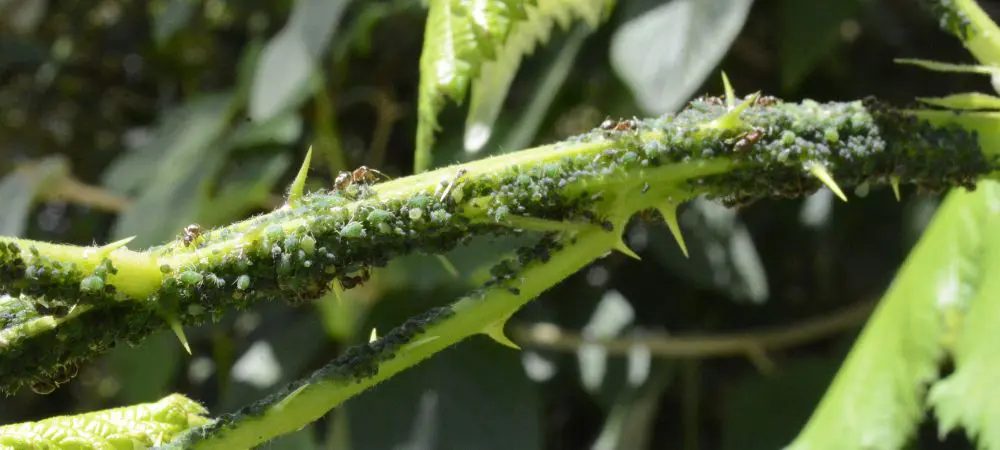
- Aphids and other insects: Ants are often associated with other types of pests like aphids, mealybugs, and mites. This is because these pests secrete a substance called honeydew, which attracts ants that feed on it and protects the pests from potential predators.
- Moisture: If the potting mix is too moist, ants may be searching for a suitable place to build their colony.
- Temperature: During summer, ants can appear in pots and houses. This is because higher temperatures cause them to reproduce more quickly. Additionally, pots provide a warm and safe environment.
Detecting an ant infestation in cannabis plants
Some symptoms that can help identify an ant infestation are:
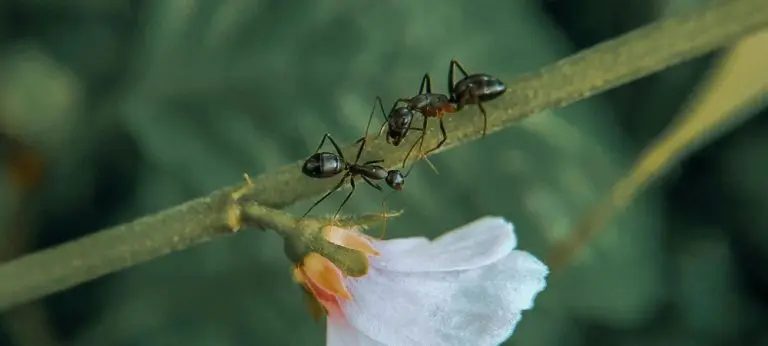
- A large number of ants are near the plants.
- Ant nests near the plants.
- A high concentration of aphids, whiteflies, and other insects.
- Occasionally, pale and wilted plants, though this can be due to various reasons.
How to eliminate ants in flowerpots?
If you want to eliminate ants easily and without using chemicals, there are various natural and eco-friendly options to get rid of ants in your pots without resorting to harmful chemicals for your plants. Here are some of the most effective methods, as well as some very effective organic products:
Diatomaceous earth
Diatomaceous earth is a fine powder made from microscopic algae fossils, and it is an excellent natural remedy for ants. When it comes in contact with its exoskeleton, it dehydrates the insects and kills them without the need for toxic products. Simply sprinkle a thin layer of diatomaceous earth on the surface of the substrate or around the edges of the pot.
Vinegar and water
Vinegar is another popular homemade remedy to repel ants. The acetic acid in vinegar interferes with the pheromone trail that ants use for navigation and communication, disorienting them and causing them to leave the area. To apply this remedy, mix equal parts of white vinegar and water in a spray bottle and spray the mixture over the potting mix or around the edges. Avoid soaking the soil too much, as excessive vinegar can alter the pH of the substrate.
Citrus peels
Citrus peels, such as those from oranges, lemons, or grapefruits, contain essential oils that act as natural ant repellents. You can place pieces of citrus peel on the surface of the substrate or around the edges of the pot to deter ants. Additionally, the fresh aroma of citrus is pleasant to humans but very unpleasant to ants.
Cinnamon
Cinnamon is another commonly used natural remedy. The strong scent of cinnamon acts as a repellent for ants and other insects. You can sprinkle ground cinnamon over the substrate or around the pot. Not only will this help repel ants, but it will also improve the aroma in your cultivation area.
Baking soda and sugar
Baking soda is a non-toxic substance for plants but very effective against ants. You can mix it with sugar in a 1:1 ratio and place the mixture in small amounts near ant nests. The ants will be attracted to the sugar, but the baking soda will cause a toxic reaction that eliminates them.
Neem oil
Neem oil is a natural product with strong insecticidal and repellent properties, making it an ideal option to eliminate ants. To use it, you should:
- Dilute it correctly by mixing approximately 5 ml of neem oil per liter of water.
- Use a sprayer to apply the solution to the potting mix, especially in areas where ant activity is observed.
- If the ants are associated with pests like aphids or mealybugs on the leaves or stems, you can also spray it directly on these parts of the plant.
Potassium soap
Potassium soap is another very effective natural remedy against pests, both for ants and other types, as it interferes with their ability to breathe. To use potassium soap against ants, dilute it in water according to the product instructions, usually between 10 and 20 ml per liter of water. Then, using a sprayer, apply the solution directly to the potting mix, especially in areas where ants are most active.
If ants are associated with pests like aphids or mealybugs, you can spray the solution on affected leaves and stems, as potassium soap works by breaking down the insects’ cell membranes, killing them without harming the plants.
Tips for eliminating ants in flowerpots
In case of a large infestation, there are also some methods to get rid of ants in the pot:
Relocate the pot
If ants are nesting inside the pot, one option is to relocate the plant and allow the substrate to dry out completely. Ants need moisture to survive, and dry soil may cause them to abandon the place. Once the substrate is dry, you should transplant the plant into a new pot with fresh, clean soil.
Root washing
If the problem persists, ants may have built a deep nest in the plant’s roots. In this case, it is recommended to remove the plant from the pot and rinse the roots with warm water to remove the ants and their eggs. Then, replant it in a new pot with a clean substrate.
Check the surroundings
Sometimes, ants can enter from nearby areas such as cracks in the walls, holes in the ground, or even other pots. Therefore, the surroundings of the pot should also be thoroughly inspected to ensure there are no nests or access routes to your plants. If they are coming from an external nest, you can use physical barriers like adhesive tape or seal the holes through which they may be entering.
How to prevent ants from appearing
The best way to deal with ants is to prevent their appearance from the beginning. Some tips include:
- Keep pots clean: Regularly remove dead leaves or organic matter that could attract ants.
- Avoid overwatering: A constantly moist substrate is a magnet for ants. Be sure that water drains well and avoid overwatering.
- Control pests: If you have problems with aphids, mealybugs, or other insects, you should try to control them quickly, as ants are attracted to these insects. Eliminating them can be an effective way to reduce the presence of ants.
Ants are not a direct threat to plant health, but their presence can indicate other issues in your pot. Therefore, it is important to know how to eliminate ants from pots easily.



 Add as preferred source in Google


