Personalized Attention +44 151 947 0713
 SHIPPING TO ALL

 9/10 Rating
 SALE TO MINORS PROHIBITED


Potassium soap is a natural product with multiple benefits. However, it is necessary to know how to properly prepare it and apply it to your cannabis cultivation in order to obtain the best possible results. We will tell you how to make homemade potassium soap in this article.
What is potassium soap?
Potassium soap is a very valuable natural product in the world of organic agriculture. It is obtained through a process called saponification, where potassium hydroxide, vegetable oil, and water are combined. The result is a natural insecticide that helps keep our plants healthy and free of pests.
Why use potassium soap?
Here are some key benefits:
- Effectively combats pests such as aphids, mealybugs, and whiteflies.
- Controls fungi that can be harmful to plants.
- Promotes overall plant health by eliminating toxins.
Moreover, it is worth noting a significant difference between homemade potassium soap and chemical phytosanitary products: while the latter may contain ingredients harmful to the environment and toxic to certain beneficial insects, potassium soap is completely natural and safe.
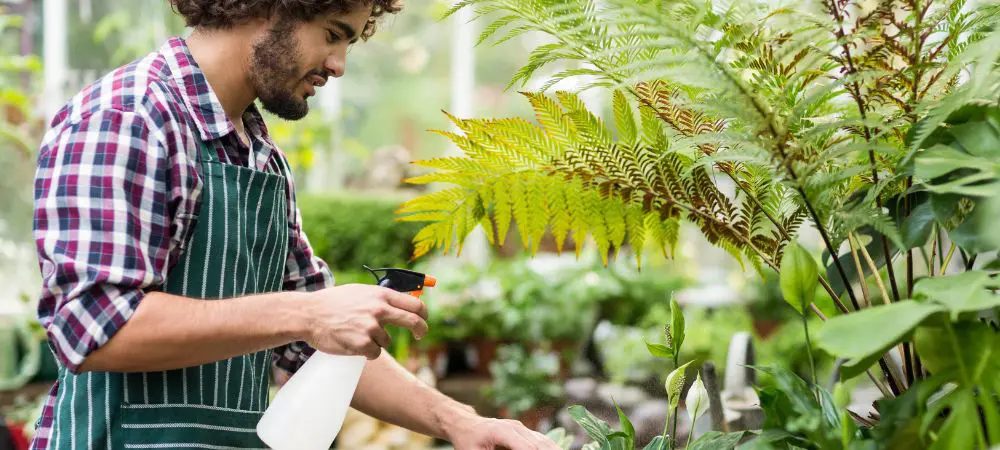
In addition, taking care of our plants and opting for natural and environmentally friendly methods not only benefits the plants themselves, but also our surroundings. Therefore, incorporating the use of potassium soap into our plant care routine is a small step we can take towards organic farming.
How to make your own homemade potassium soap
Required ingredients
You will need the following ingredients:
- Vegetable oil: one liter
- Potassium hydroxide (KOH): 200 grams
- Distilled water: two liters
- Rubber gloves
- Safety goggles
- Kitchen scale
- Blender
- Glass or heat-resistant plastic containers
Steps:
Before you begin, put on your gloves and safety goggles.
- Preparation of potassium hydroxide: dissolve the potassium hydroxide in one liter of distilled water. Do this in a well-ventilated area to avoid breathing in the fumes.
- Mixing with the oil: once the hydroxide is completely dissolved, slowly pour the solution into the vegetable oil while stirring constantly.
- Saponification: using the blender, mix the solution for at least 15 minutes or until it has a homogeneous texture and starts to thicken, indicating that this process is taking place.
- Cooking: continue stirring occasionally for about an hour or until the mixture has a consistency similar to mashed potatoes.
- Dilution: add the second liter of distilled water to dilute the saponified mixture and continue mixing well.
- Cooling: let the soap cool for a few hours until it is completely cold
The soap should be stored in heat-resistant plastic or glass containers, making sure they are properly labeled.
Likewise, the curing time of the soap is immediate; there is no need to wait weeks as with other types of soaps. Once it is cold, it can be used. The indicated quantities must be followed and care must be taken at each step of the process. This way, you will ensure the effectiveness of the final product and the safety of everyone.
How to apply and dose potassium soap on plants?
Potassium soap for plants is an essential tool in cannabis cultivation. But how to use it as a natural insecticide? Here is a detailed guide on how to do it effectively.
Proper dilution
To prepare a potassium soap solution, it is recommended to dilute between 1% and 2% of soap in water. This means that, for every liter of water, between 10 to 20 grams will be needed.
Methods of application
The most common method for applying it on plants is spraying. The 2L pre-pressure sprayers allow for a uniform distribution of the product on all parts of the plant. To do this, both the leaves and the stems should be covered, and even the underside of the leaves, where pests usually hide.
Correct dosage for safe and effective use
The dosage of potassium soap may vary depending on the pest being treated. As a general rule, it is advisable to start with a low concentration (1%) and increase if necessary, always following the specific instructions for each situation.
Please note that potassium soap should be applied during the coolest hours of the day (early in the morning or late in the evening) to avoid leaf burns. Furthermore, its use is not recommended during very hot days or with high sun exposure.The correct use of this product allows you to keep plants healthy and free from pests, without harming the environment.
Other uses and commercial alternatives
Potassium soap is not only effective in fighting pests, but it also has other additional uses in the care and maintenance of plants:
Leaf cleaning
By spraying a diluted solution of potassium soap directly on the leaves, you can clean them from dust and accumulated dirt, thereby improving the plants’ ability to photosynthesize.
Removal of phytosanitary residues
After using other products for pest control, potassium soap can act as a cleansing agent that helps eliminate any chemical residue that may have remained on the plants.
These commercial products offer convenience and consistency, being a viable alternative to homemade potassium soap for those who prefer convenience or do not have the necessary time to prepare it. Further, the use of potassium soap as a natural insecticide is an effective and environmentally friendly option for pest control. Plus, it should be combined with preventive and commercial methods if necessary, and you will be on your way to having a healthy and sustainable garden.