Personalized Attention +44 151 947 0713
 SHIPPING TO ALL

 9/10 Rating
 SALE TO MINORS PROHIBITED

The quality of the water is essential for the healthy growth and development of plants. A crucial factor that affects the obtained nutrients and absorptive capacity in plants is pH. Thus, it is important to calibrate pH meters in order to ensure accurate measurements and get the best results for your crops. In this article, we explain everything to calibrate a pH meter and why it is so important.
What is pH?
In chemistry, pH is a measure of the acidity or basicity of liquid solutions. The scale goes from 0 to 14, with 7 being neutral. The pH levels that are under 7 indicate acidity, whereas a pH level greater than 7 indicates basicity. The pH of pure water is 7, but the pH of the irrigation water may change due to the presence of dissolved minerals and other chemical compounds.

Why is it important to measure the pH of the irrigation water?
The pH level of the irrigation water affects the amount of nutrients for plants. Most of the essential nutrients for growing plants, such as nitrogen, phosphorus, or potassium, are present in aqueous solutions only if it’s in a certain pH range. If pH is outside this range, the plants’ absorption of nutrients is compromised, which may affect their growth and production.
Besides, a wrong pH may affect the microbial life in the soil, which may have an influence on your plants’ health. Bacteria, as well as other beneficial microorganisms, need a specific environment to thrive, and pH is a key factor that has an effect on this.
Thus, when growing in soil, the pH levels will be different than in other growing media. In soil, these levels should range between 6 and 7, while in coco coir or in hydroponics systems, will range between 5.5 and 6.5. This is the reason why we should use a pH meter to analyze the water.
How to use a pH meter?
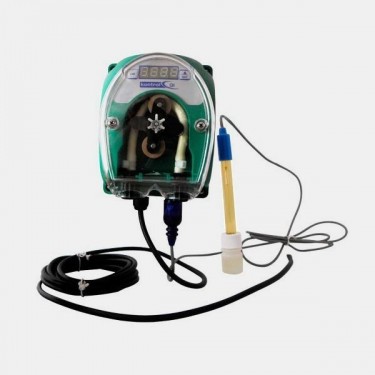
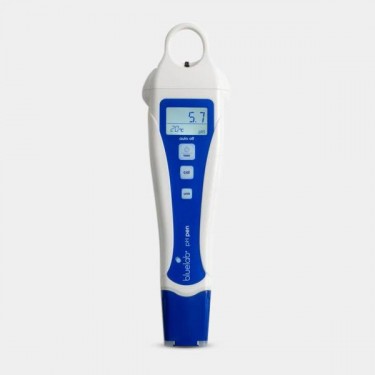
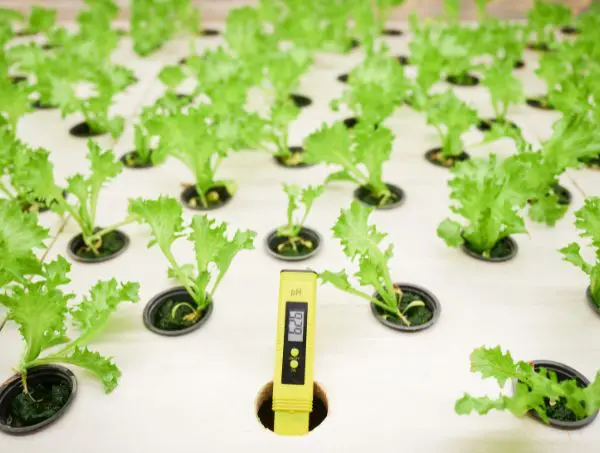
Using a pH meter is the quickest way to know if the soil and water have the right pH levels. These devices are really easy to use and tell you precisely the pH levels of cannabis irrigation water and soil. The problem is that they are often out of calibration, so we must recalibrate them.
How to calibrate a pH meter step by step
These pH meters are essential items to measure pH levels of irrigation water. But, in order to obtain more precise results, we must calibrate the pH meter regularly. For that, we must follow these steps:
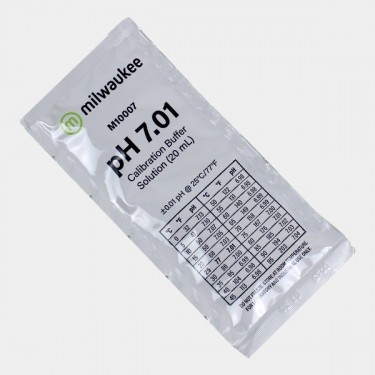
- Prepare all the necessary materials: you’ll be needing a pH meter, as well as pH 4, pH 7 and pH 10 calibration solutions, distilled water and a clean container to rinse the electrode.
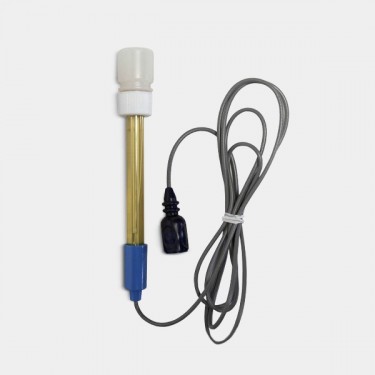
- Clean the electrode: rinse the electrode with distilled water and dry it gently with a soft towel. Make sure not to scratch the electrode surface as it could affect the measurement precision.
- Calibrate the meter with a pH 4 buffer solution: put the electrode in the calibration solution with a pH 4 level and press the button to start calibrating, setting the meter for a correct reading. You must follow the manufacturer’s instructions to calibrate it.
- Clean the junction after using the first pH 4 solution and perform the same process with the pH 7 and the pH 10.
- Once the meter is well calibrated, place the junction in water or the medium to be analyzed. Now you’ll be able to read the measurement and adjust the pH if necessary.
Tips to calibrate a pH meter
Some recommendations to be taken into account before starting calibrating your meter are:
- Read carefully your device instructions.
- Wear gloves at all times while analyzing and calibrating the device as your body chemistry may affect the results.
- Use proper pH buffer solutions.
- It is recommended to calibrate the pH meter before every use, or at least, once a month if you use it regularly.
- These devices have a very sensitive pH electrode that must be kept away from distilled water or reverse osmosis water, as they could damage the sensor screen.
- Always use new buffers and a clean meter, as contaminated buffers may affect the reading percentage.
Calibrating a pH meter is the key to obtain precise results of the pH levels in irrigation water and so to ensure the healthy growth of your plants. A wrong pH may affect the amount of nutrients and the microbial life in the soil. Thus, it is important to have a good control of the irrigation water pH in order to achieve a successful growth for your plants and to learn how to properly calibrate a pH meter.




 Add as preferred source in Google