Personalized Attention +44 151 947 0713
 SHIPPING TO ALL

 9/10 Rating
 SALE TO MINORS PROHIBITED


In any cultivation, one of the keys to obtaining good results is maintaining the proper balance of nutrients and soil conditions. An important factor to consider is the pH level in cannabis cultivation, which can directly influence plant nutrient availability. So, if you have alkaline soil and want to know how to adjust it to create the best environment for your crops, keep reading—we’ll explain how to acidify alkaline soil.
What is alkaline soil?
Soil is considered alkaline when its pH level is above 7, meaning it has more bases than acids. The soil’s pH affects nutrient availability for plants since some nutrients are more accessible in acidic soil, while others are more available in alkaline soil. Besides, alkaline soils have certain characteristics that can be challenging for crops prefering slightly acidic environments.
In addition. alkaline soils often have high levels of limestone, carbonates, or bicarbonates, which increase alkalinity. These soils are more common in regions with low rainfall, where salts and minerals accumulate instead of being washed away. They are typically found in arid or semi-arid climates, although they can appear in various parts of the world.
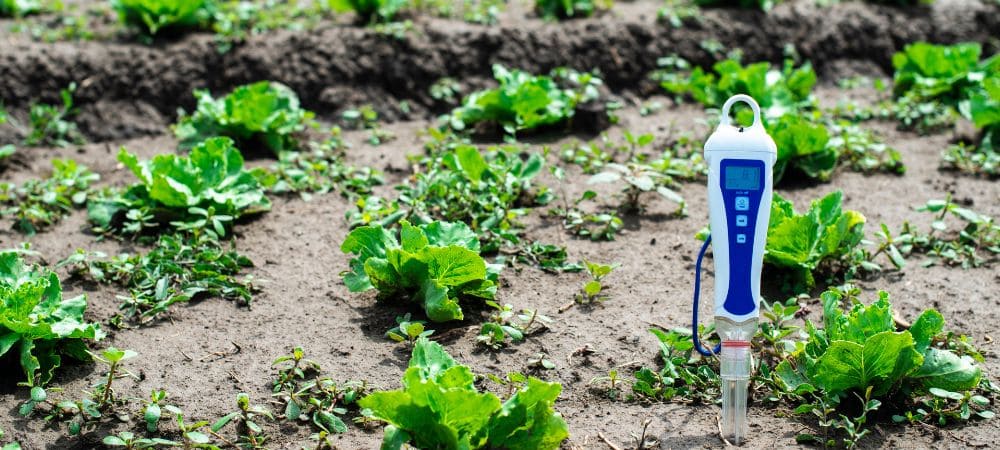
Plants that prefer slightly acidic soil can be negatively affected by alkaline soil. In these types of soil, nutrients like iron, manganese, and phosphorus become less available, which can lead to nutrient deficiencies in plants.
How to identify alkaline soil?
Determining whether your soil is alkaline is crucial for knowing if you need to adjust its pH. Here are some ways to identify alkaline soil:
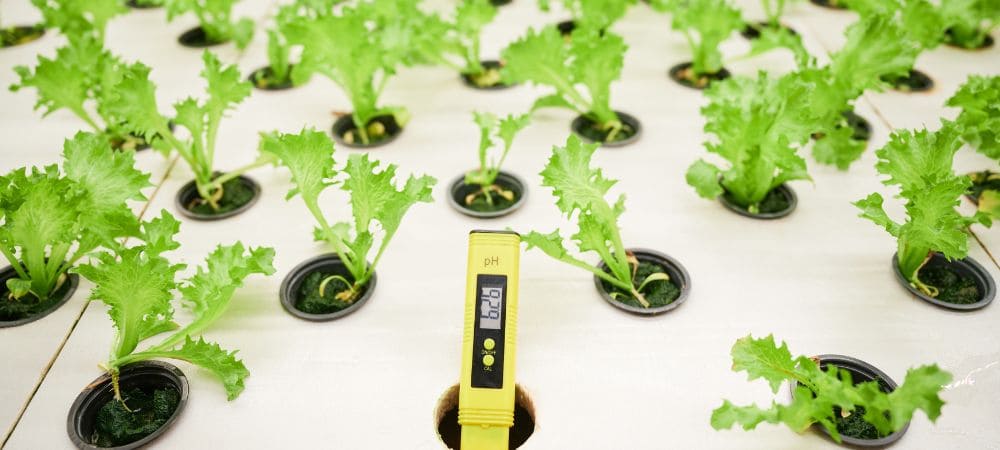
- Use a pH testing kit: This is the simplest and most accurate way to measure soil pH. pH kits are available at most gardening and grow shops. Simply take a soil sample, place it in the pH meter, and read the result. If the pH is above 7, the soil is alkaline.
- Observe plant growth: If plants that should thrive in your garden show yellowing leaves or slow growth, this could be a sign of high pH. In alkaline soil, nutrients like iron are not absorbed effectively, leading to nutritional deficiencies and symptoms such as chlorosis (yellowing of leaves).
- Home testing methods: If you don’t have access to a pH kit, there are DIY methods to estimate soil pH. A common test involves adding vinegar to a moist soil sample. If it bubbles and foams, the soil likely contains high carbonate levels, indicating alkalinity.
- Consult a professional: If you’re unsure of your results, you can send a soil sample to a specialized lab for precise pH analysis.

ADWA AD11 Waterproof pH Meter

ADWA AD32 Waterproof EC Meter

600 Eco Milwaukee pH Meter
How to acidify alkaline soil?
Once you’ve confirmed that your soil is alkaline, it’s important to take steps to acidify it. Here are some effective methods:
1. Apply elemental sulfur
Sulfur is one of the most commonly used compounds to lower soil pH. When applied to soil, sulfur reacts with water and oxygen to form sulfuric acid, helping to reduce the pH and acidify the soil.
To use it, spread sulfur evenly across the soil surface. The amount needed depends on the soil’s size and the desired pH level. Typically, it’s recommended to apply 30 to 50 grams of sulfur per square meter for alkaline soils. However, proceed with caution and follow expert guidelines, as over-applying sulfur can make the soil too acidic.
2. Use sphagnum peat moss
Sphagnum peat moss is an organic material that can naturally lower soil pH. It can be mixed with soil or used as a top layer. Peat moss releases organic acids gradually, making it an effective yet gentle way to modify pH.
3. Apply acidic fertilizers
Fertilizers containing ammonium nitrogen (such as ammonium nitrate) can help acidify soil when applied in small amounts. These fertilizers release acids as they break down in the soil, lowering the pH. Be careful not to overapply, as too much fertilizer can burn plant roots.
4. Use compost or organic matter
Compost and organic matter can also help acidify soil. As they decompose, they release organic acids that alter the pH. Additionally, these materials enrich the soil with nutrients and improve its structure, benefiting plant growth.
5. Water with acidic solutions
Watering with diluted citric acid or vinegar solutions can temporarily lower soil pH. However, this method has short-term effects and may not be as effective for long-lasting acidification as the methods mentioned above.
Precautions and tips for acidifying alkaline soil
While acidifying alkaline soil can be beneficial for plants, it’s important to take certain precautions to avoid negative effects. Here are some tips:
- Avoid sudden changes: pH modification should be gradual. Sudden changes can stress plants and hinder their growth. Regularly monitor the pH to ensure it doesn’t become too acidic.
- Perform regular tests: It’s advisable to test soil pH before and after applying any treatment. This helps you adjust the amount of acid applied and prevent overcorrection.
- Consider plant needs: Some plants, like cacti and lavender, thrive in alkaline soil. Be sure to understand the specific requirements of your plants before altering your soil’s pH.
- Protect plant roots: During the acidification process, avoid damaging plant roots. If necessary, use a protective layer of mulch to prevent direct contact with acidic materials.
With these methods and precautions, you can effectively acidify alkaline soil and create a suitable environment for your plants. Remember, well-balanced soil is crucial for healthy and productive crops.