Personalized Attention +44 151 947 0713
 SHIPPING TO ALL

 9/10 Rating
 SALE TO MINORS PROHIBITED

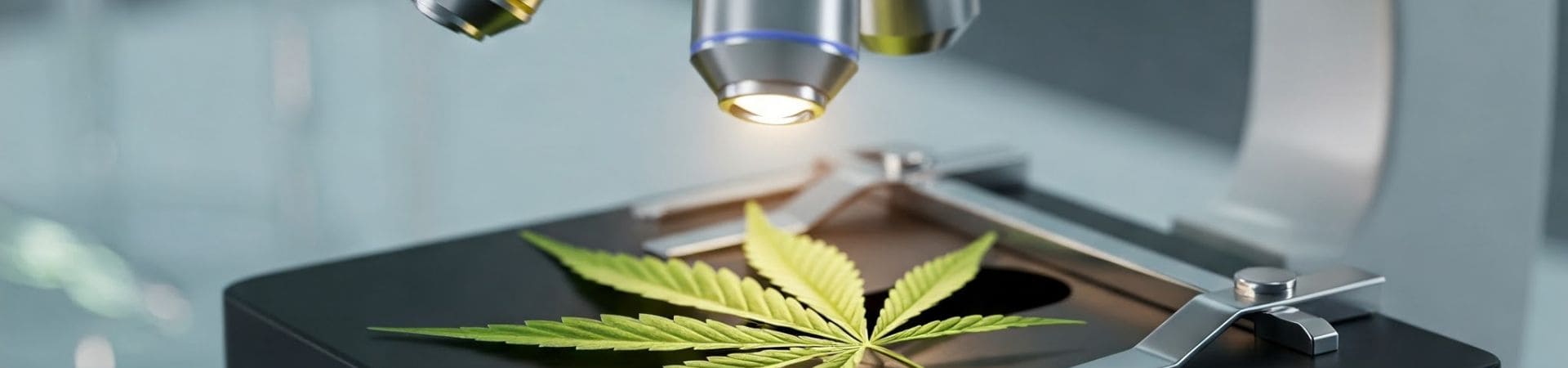
Hexahydrocannabinol (HHC) and tetrahydrocannabinolic acid (THCA) have both sparked growing interest due to their potential recreational and therapeutic uses. Although they both come from the cannabis plant, their differences have fueled a debate among users about the real distinctions between them and their roles in modern cannabis consumption. At Growbarato.net/en, we break down the comparison of HHC vs THCA, explore their legal status in the USA, and examine the new trends shaping their presence on the market.
What are HHC and THCA?
HHC and THCA are two different compounds found in the cannabis plant, but they have quite distinct properties and effects. Let’s explore each one in more detail and how they play a role in the cannabis experience.
HHC (Hexahydrocannabinol)
This is a cannabinoid considered semi-synthetic, created by modifying the THC molecule through a process called hydrogenation. It’s known for delivering milder psychoactive effects than THC.
THCA (Tetrahydrocannabinolic Acid)
This is the acidic, natural form of THC found in raw or fresh cannabis. Chemically, THCA has an extra component in its structure that prevents it from being psychoactive like THC. However, when heat is applied—such as when smoking, vaping, or cooking—it converts into THC through a process called decarboxylation, which means it does become psychoactive.
Key differences
To better understand their unique traits, here’s a side-by-side comparison of HHC vs THCA:
| Characteristic | HHC (Hexahydrocannabinol) | THCA (Tetrahydrocannabinolic Acid) |
|---|---|---|
| Source | Semi-synthetic (lab-modified) | Natural (found in raw cannabis) |
| Chemical Structure | Hydrogenated THC derivative (more stable) | Acidic precursor to THC |
| Psychoactivity | Yes, moderate (NOW ILLEGAL) | No (raw) / Yes (when heated) |
| Reported Effects | Relaxation, mild euphoria (pre-ban) | Potential anti-inflammatory effects (raw form) |
| Legal Status in Spain (2025) | Banned (controlled substance) | Not specifically banned, subject to THC limits |
| Stability | More chemically stable | Less stable (easily turns into THC) |
Analyzing the effects: HHC vs THCA
When it comes to effects on the body, therapeutic potential, and health risks, here’s what stands out:
| Aspect | HHC (Hexahydrocannabinol) | THCA (Tetrahydrocannabinolic Acid) |
|---|---|---|
| Psychoactive Effects | Mild euphoria, relaxation, mental clarity | Not psychoactive raw; becomes THC when heated |
| Body Interaction | Binds to CB1 and CB2 endocannabinoid receptors | Does not effectively bind CB1 in acid form |
| Recreational Use | Popular for a mild, functional “high” | No recreational effects unless decarboxylated |
| Therapeutic Benefits | May ease pain, anxiety, and stress with less intensity than THC | Anti-inflammatory, neuroprotective, antiemetic potential without intoxication |
| Clinical Research | Very limited; most effects are anecdotal | Preliminary research exists but remains limited |
| Health Risks | Higher if sourced from unregulated markets | Risks also exist if there’s no quality control |
| Long-Term Effects | Unknown due to lack of clinical studies | Not well documented; more research needed |
| Risk of Unregulated Products | High if obtained from unreliable sources | Also risky without quality controls in place |
Legal framework in the United States
HHC Status
As of 2025, HHC (Hexahydrocannabinol) exists in a legally ambiguous space in the United States. While federally legal under the 2018 Farm Bill—as long as it’s hemp-derived and contains less than 0.3% Delta-9 THC—many individual states have imposed restrictions or outright bans. States like California, New York, and Colorado have categorized HHC as a synthetic cannabinoid and have taken steps to regulate or prohibit its sale, manufacturing, and distribution.
Before such state-level restrictions, HHC was widely available online and in CBD shops as a “legal” psychoactive alternative to THC. However, increased scrutiny from the DEA and FDA, along with growing safety concerns, has led to tighter control measures in certain jurisdictions.
THCA Status
THCA is not a controlled substance under federal law in the U.S. because it is non-psychoactive in its raw form. Since it occurs naturally in hemp plants and does not produce intoxicating effects unless decarboxylated, it is generally considered legal if the total Delta-9 THC content remains below the 0.3% threshold. This makes THCA-rich hemp products legally available in many states—though some have enacted specific rules regarding total THC potential.
However, the legality of THCA becomes complex when heated or processed, since it converts to THC—a controlled substance under federal and state law. Therefore, even if THCA is initially compliant, its transformation into THC through decarboxylation can create legal risks, especially when sold for consumption purposes. This distinction can lead to confusion among consumers and retailers.
Legal implications and challenges
HHC faces increasing regulatory scrutiny in the U.S., and possession or distribution may result in legal issues in states where it has been restricted or banned. Consumers should be aware of their local laws and potential analog regulations.
Although THCA remains legal under federal law when derived from hemp and unheated, its potential to convert into THC requires caution. Retailers and users must ensure that products stay within the legal Delta-9 THC limits throughout use and storage.
Did you know about these legal differences? What’s your take on it? Leave a comment and share your opinion!