Personalized attention +34 96 206 62 98
 Free shipping to Iberian Peninsula from 30€
 9/10 Rating
 Discreet shipping

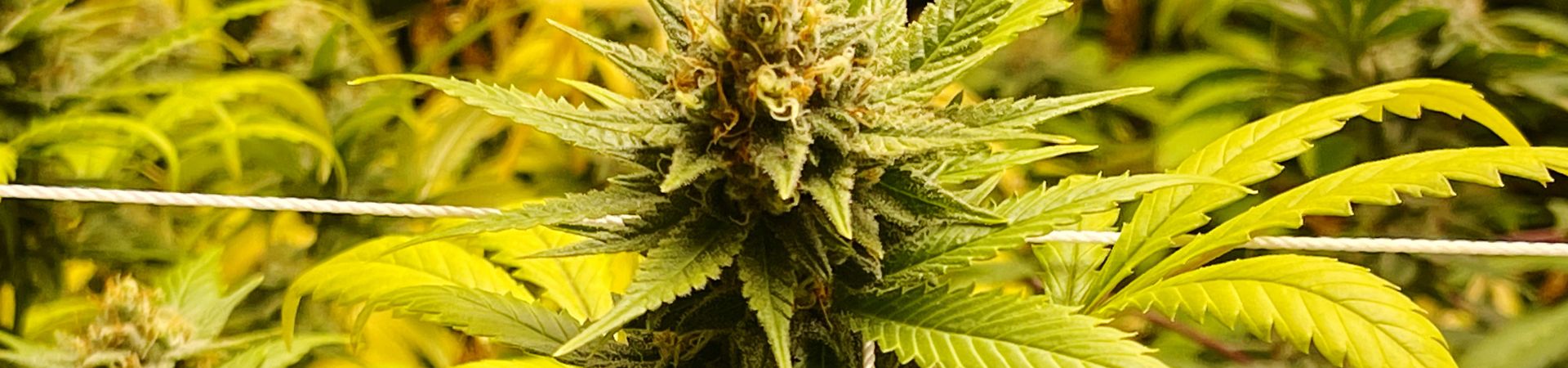
Growing with SCROG (Screen of Green) is one of the most effective techniques to maximize space in your cannabis grow and achieve higher yields. If you want to grow with SCROG, you can harvest abundantly without needing many plants. In this article, we will explore all the key aspects of this method, from initial setup to best practices for ensuring top-quality production.
What is growing with SCROG?
Growing with SCROG is a plant training technique that allows cannabis branches to grow horizontally, covering a wider area and making better use of light. This method ensures plants don’t compete for light and allows lower parts to receive more exposure. The result is a more uniform and higher-quality harvest.
What is SCROG used for?

As mentioned, the SCROG method reduces costs and labor. In a traditional grow, 9–15 plants are grown per square meter, but with SCROG, the effort in watering, pruning, and pest control can be increased while using fewer plants—usually 1–5 per square meter—lowering seed costs significantly.
The trade-off is extra vegetative growth time, which results in fewer harvests per year but higher-quality yields.
Additionally, in some countries where home cultivation of cannabis is allowed, SCROG is ideal for growers who want to maximize production without exceeding legal limits. Hopefully, this freedom will expand globally for all cultivators.
SCROG method during flowering
The most common question is: When is it time to start flowering? It depends on the strain and whether you start from seeds or clones. Indica strains from seed can begin flowering once they have filled 75% of the SCROG screen.This usually takes 3–5 weeks of growth. Plant hormones can slightly shorten this process, and products like Rhino Skin by Advanced Nutrients can help strengthen plants.
Sativa strains can start flowering when the SCROG screen is 60% filled, reducing vegetative growth time without shortening the flowering period. For clones, wait until the screen is 85% filled for indicas and 70% for sativas due to their vigorous growth.
This technique can also be applied outdoors, where the screen can be horizontal, vertical, or draped like a “blanket.” The screen must be securely tied to a structure to support the plant and allow it to produce more buds, as the mesh bears part of the flower weight.

Pros and Cons of SCROG
The advantages are clear, but there are also considerations. Besides fewer annual harvests, one challenge is the volume of plant mass, which requires regular pruning to prevent issues like mold or poor ventilation. Preventive treatments with silicon-based products, such as Silicate (Mineral Magic) from General Hydroponics fertilizers, Trabe’s Horsetail, Liquid Silicon from Ionic, and Rhino Skin, help prevent fungal attacks. Neem oil remains the most effective preventive against insects.

Common problems and how to fix them
Although SCROG is efficient, it can present challenges. Here are common issues and solutions:
Uneven plant growth
- Solution: Ensure the SCROG screen is installed at the correct height. Regularly prune lower branches that do not receive sufficient light.
Excess humidity and mold issues
- Solution: Maintain proper airflow in the grow area. Use fans to reduce humidity and prevent mold growth.
Limited space for branches
- Solution: Use a stronger SCROG mesh and distribute branches evenly to optimize space utilization.

Growing with SCROG is an excellent technique for maximizing space and improving cannabis quality. By following proper steps and best practices, you can achieve higher yields and better-quality buds without needing a large number of plants. If you are new to SCROG, start with strains that adapt well to this method and monitor your grow conditions closely.