Personalized Attention +44 151 947 0713
 SHIPPING TO ALL

 9/10 Rating
 SALE TO MINORS PROHIBITED

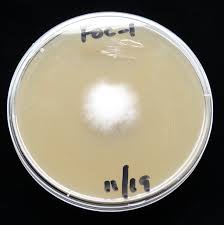
At GB, we want to address the main pathogens that can affect our plants, seeds, and cuttings through a series of articles on cultivation. In this installment, we will talk about Fusarium, a genus of fungi that can affect different crops, including cannabis, tomatoes, and onions.
Knowing what Fusarium is, how it spreads, what its symptoms are, and how to prevent its appearance is essential for maintaining proper cultivation conditions and reducing the risk of problems in the root system, stem, and vascular system of plants.
What is Fusarium?
Fusarium is a genus that encompasses numerous species of filamentous fungi. It is widely distributed in soils and can remain in the medium for long periods until it finds favorable conditions to develop.
Depending on the species, it can affect different parts of the plant and cause particularly significant damage to:
- The root system.
- The stem.
- The vascular system.
In cannabis crops, the species commonly mentioned include Fusarium solani and Fusarium oxysporum.
Types of Fusarium according to the affected area
The different types of Fusarium can generally be classified according to the area of the plant on which they cause damage.
Fusarium affecting the stem
Among the species associated with stem damage, we find:
- Fusarium sulphureum
- Fusarium graminearum
- Fusarium lateritium
- Fusarium sambucinum
- Fusarium avenaceum
- Fusarium culmorum
Fusarium affecting the roots
One of the species associated with problems in the root system is:
- Fusarium solani
Fusarium affecting the vascular system
Among the species related to vascular damage, the following stands out:
- Fusarium oxysporum
There are many other species and subspecies of this genus, so specific identification of the causative agent may require specialized diagnosis.
How does Fusarium spread?
Fusarium can be found in the soil and in decaying plant matter, such as leaves, branches, or roots. Depending on the species, it can also spread through contact and via spores present in the environment.
The main entry routes can be related to the root system, plant wounds, and contaminated cultivation material.
Fusarium and the roots
Fungi that affect the roots can penetrate through the root system, especially when there are damaged or deteriorating tissues.
Wounds can also facilitate the entry of the pathogen.
Fusarium and the vascular system
In certain fusarioses, the fungus can penetrate the plant and reach the xylem, from where it can spread through the vascular system.
This type of infection can cause significant problems in the transport of water and nutrients.
Fusarium and stem damage
Species that affect the stem can take advantage of wounds caused during pruning, staking, or plant handling.
For this reason, it is important to always work with clean tools and avoid causing unnecessary damage to plant tissues.
Fusariosis: symptoms of Fusarium
Fusarium can manifest in different ways, so it is important to periodically check the plants and pay attention to the foliage as well as the stem and root system.
Among the symptoms that may appear, we find:
- Yellowing of the lower leaves.
- Premature wilting.
- Discolored leaves with a tendency to curl upwards.
- Branches that appear wilted individually.
- General decay of the plant.
- Brown or necrotic areas on the roots.
- Coloration changes in certain areas of the stem.
- Calluses or swellings on the trunk.
- Excessively wet or foul-smelling substrate.
- Plants that show difficulty absorbing water.
How to differentiate Fusarium from other problems?
Fusarium symptoms can be confused with those caused by excess moisture, root problems, environmental stress, or nutritional deficiencies.
Therefore, the presence of one of these symptoms alone does not confirm a Fusarium infection. When there is a suspicion, it is advisable to observe the state of the roots, stem, substrate, and the evolution of the plant together.
How to prevent the appearance of Fusarium?
Prevention is one of the fundamental aspects of reducing the risk of problems associated with this genus of fungi.
Proper hygiene of the cultivation space, an adequate substrate, and moisture control are some of the main points we must keep in mind.
Cleaning and disinfection in indoor crops
Before starting an indoor crop, it is advisable to properly clean and disinfect the space and the materials we are going to use.
This includes:
- Walls and floor.
- Ceilings and windows.
- Pots and trays.
- Cultivation equipment.
- Tools.
- Ventilation systems.
It is also advisable to use clean clothing and tools to reduce the possibility of introducing contaminants from other crops.
Hygiene and prevention in outdoor crops
Outdoors, it is more complicated to completely control soil conditions. Therefore, it is advisable to observe the cultivation area beforehand and remove weeds and decaying plant remains.
It is also important to avoid areas with excess moisture or poor drainage.
Soil solarization
Solarization is a technique used to raise the soil temperature by placing a transparent plastic over its surface for a certain period.
It can be part of a preventive soil management strategy, always taking into account environmental conditions and the correct application of the technique.
The importance of the substrate for preventing root problems
The substrate plays a fundamental role in the healthy development of the roots.
An aerated medium with good drainage and the ability to evacuate excess water helps to avoid waterlogging conditions that can favor different root problems.
Among the materials that can be used to improve the structure and aeration of the substrate are perlite, expanded clay, and coconut fiber.
Perlite to improve substrate aeration.
Perlite helps to improve the aeration and drainage of the substrate, so it can be an interesting supplement for preparing a lighter cultivation medium.
You can check out the Grow Barato White Perlite to incorporate it into your cultivation mixes.
Temperature and humidity control
The temperature and humidity of the environment are other factors we must monitor.
A substrate that remains constantly soaked, combined with insufficient ventilation, can create unfavorable conditions for the roots.
Therefore, it is advisable to:
- Avoid overwatering.
- Use containers with adequate drainage.
- Avoid keeping the substrate constantly saturated.
- Maintain adequate ventilation.
- Control the temperature of the environment and the substrate.
- Adjust ambient humidity to the needs of each cultivation stage.
Fusarium prevention during germination
Germination requires specific humidity conditions, so hygiene is of particular importance.
During this phase, it is advisable to use clean materials, quality water, and properly sanitized containers.
There are also beneficial microorganisms, such as certain species of Trichoderma, which are used in horticulture as part of root environment management strategies.
Prevention during the propagation of cuttings
Cuttings require special attention because the wounds produced during cutting can become vulnerable points.
Good practices for working with cuttings
To reduce risks:
- Use clean and disinfected tools.
- Obtain cuttings from healthy plants.
- Avoid excessive condensation inside propagators.
- Keep propagation containers and materials clean.
- Avoid handling healthy plants and potentially contaminated material simultaneously.
When receiving cuttings from third parties, it may be advisable to keep them separated from the rest of the plants during an observation period, especially when their origin or the conditions in which they were propagated are unknown.
Nutrition and root system health
Balanced nutrition is also part of a prevention strategy.
Over-fertilization can cause root problems and alter the balance of the substrate. A damaged root system can be more vulnerable to different problems.
For this reason, it is advisable to avoid excessive fertilization and control parameters such as pH and electrical conductivity, adapting them to the type of substrate and the needs of the plant.
Summary: keys to preventing Fusarium
To reduce the risk of problems related to Fusarium and other soil pathogens, we can summarize the main preventive measures in the following points:
- Clean and disinfect cultivation material.
- Properly disinfect the cultivation space.
- Use a quality, aerated substrate with good drainage.
- Avoid waterlogging.
- Control temperature and humidity.
- Do not reuse potentially contaminated substrates.
- Avoid the accumulation of plant remains.
- Keep pruning tools clean.
- Work with seeds and plant material of reliable origin.
- Keep new cuttings separated before incorporating them into the crop.
- Avoid over-fertilization.
- Maintain an appropriate pH for the cultivation system.
- Consider using beneficial microorganisms as part of a preventive strategy.
What to do if we suspect a plant has Fusarium?
If a plant shows several symptoms compatible with Fusarium, the first thing is to avoid handling it near the rest of the plants and to step up hygiene measures.
Visual identification does not always allow confirming which pathogen is causing the problem, as there are other diseases and physiological alterations that can present similar symptoms.
In the face of a significant suspicion, it is advisable to isolate the affected material, remove plant remains, and disinfect the tools and surfaces that have been in contact with it.
Conclusion: prevention is key against Fusarium
Fusarium is a genus of fungi that can affect the roots, stems, and vascular system of different plants. Its symptoms can be confused with other cultivation problems, so periodic observation and proper diagnosis are important.
Maintaining good hygiene, using a well-aerated substrate, controlling watering, and avoiding excess moisture, in addition to working with healthy plant material, are fundamental measures to reduce risks.
Prevention does not guarantee that a plant will be completely free of pathogens, but it does allow for creating more favorable cultivation conditions to maintain a healthy root system and plant.