Personalized Attention +44 151 947 0713
 SHIPPING TO ALL


 9/10 Rating
 SALE TO MINORS PROHIBITED

Today’s fast pace of life, everyday worries and the challenge of switching off at the end of the day can compromise the quality of your sleep. Because of this, more and more people are turning their attention to the properties of cannabidiol and how it relates to sleep.
But does CBD really work for sleep? What effects might it have on nighttime rest? Are there any side effects? Below, we address the key questions surrounding this cannabinoid.
How does CBD work for sleep?
CBD, also known as cannabidiol, is one of the main cannabinoids found naturally in the hemp plant. Unlike THC, it does not produce an intoxicating effect.
Cannabidiol interacts indirectly with the endocannabinoid system, a signalling network in the human body that helps regulate various physiological functions, including sleep and mood.
This interaction is one of the key reasons researchers are exploring its potential effects on sleep and general well-being.
What benefits could CBD offer for your sleep?
Interest in cannabidiol goes beyond merely falling asleep. Ongoing research also explores its potential relationship with psychological well-being and the overall quality of nighttime sleep.
Well-being and relaxation
CBD could support certain aspects of psychological well-being, an important factor closely tied to how you handle day-to-day challenges and unwind at night.
A clinical trial published in 2024 observed higher well-being scores among participants who received cannabidiol compared to those on a placebo.
Quality of nighttime sleep
Another aspect under investigation is the potential influence of cannabidiol on sleep efficiency, meaning the proportion of time a person spends asleep compared to the time spent in bed.
In the same clinical trial, favourable outcomes were observed in objective sleep efficiency after two weeks, although other parameters, such as the time taken to fall asleep, were similar to those of the placebo.
Is CBD good for sleep?
CBD exhibits characteristics that have sparked interest among those seeking alternatives for rest and well-being. Notable among them are its plant origin and the lack of the intoxicating effect typical of THC.
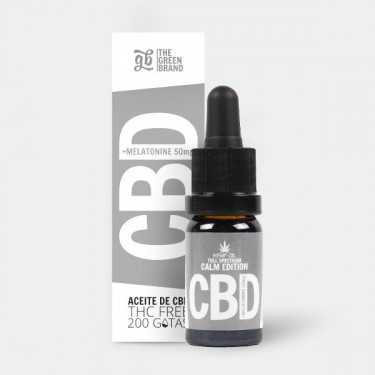
Furthermore, various formulations exist that incorporate other cannabinoids, terpenes and ingredients such as melatonin.
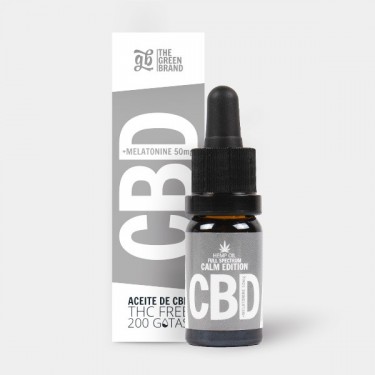
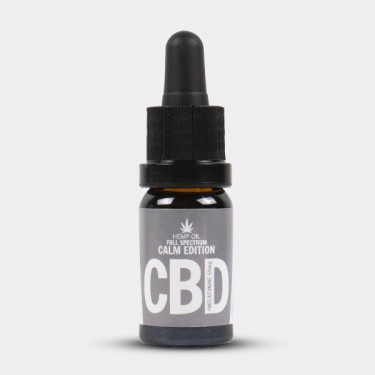
A scientific review published in Sleep Medicine Reviews in 2025, which compiled the results of six clinical trials with 1,077 participants, found subjective improvements in sleep quality with specific cannabinoid formulations.
Therefore, product composition is one of the most interesting aspects when exploring different CBD formulations, although these results cannot be directly applied to any commercial product.
What types of CBD are there?
Currently, you can find different types of cannabidiol extracts, each with its own specific characteristics.
| Types of CBD and their characteristics | |
|---|---|
| Type of CBD | Characteristics |
| CBD isolate | Contains cannabidiol without other cannabinoids. |
| CBD Broad Spectrum | Incorporates different cannabinoids and terpenes, with processes designed to remove THC. |
| CBD Full Spectrum | Contains a broader spectrum of natural hemp compounds. |
| CBD with melatonin | Combines cannabidiol with an ingredient linked to the regulation of the sleep cycle. |
In our CBD for sleep category, you will find different formats, concentrations, and extract types, with detailed information about their composition and features.
CBD for sleep: side effects
One of the most frequent questions among people interested in cannabidiol is whether this compound can cause side effects.
Although CBD is a naturally occurring compound, its interaction with the body could generate different reactions depending on the person, exposure, and other individual factors.
According to the United States Food and Drug Administration (FDA), some of the possible side effects of CBD are:
- Drowsiness: it could lead to reduced alertness.
- Digestive discomfort: gastrointestinal disturbances, such as diarrhoea, may occur.
- Changes in appetite: some people might experience a decrease in appetite.
- Mood changes: irritability or agitation might occur.
- Liver alterations: exposure to CBD could affect liver function.
In addition, cannabidiol could interact with certain medications and enhance the sedative effect of alcohol or other substances.
Precautions you should know regarding CBD
People undergoing medical treatments or with liver conditions should consult a healthcare professional before systemic exposure to cannabidiol. Its use is also recommended to be avoided during pregnancy and breastfeeding.
If sleep difficulties are frequent or affect your quality of life, it is important to consult a specialist.
At GB The Green Brand, we work to offer high-quality CBD products, carefully formulated and with detailed information on their composition, so you can discover the features of each product and compare the different available options.
Remember that CBD products must be used exclusively in accordance with the intended use indicated on their labelling and do not replace medical care.





 Add as preferred source in Google